Optometry
Current Student News
General News
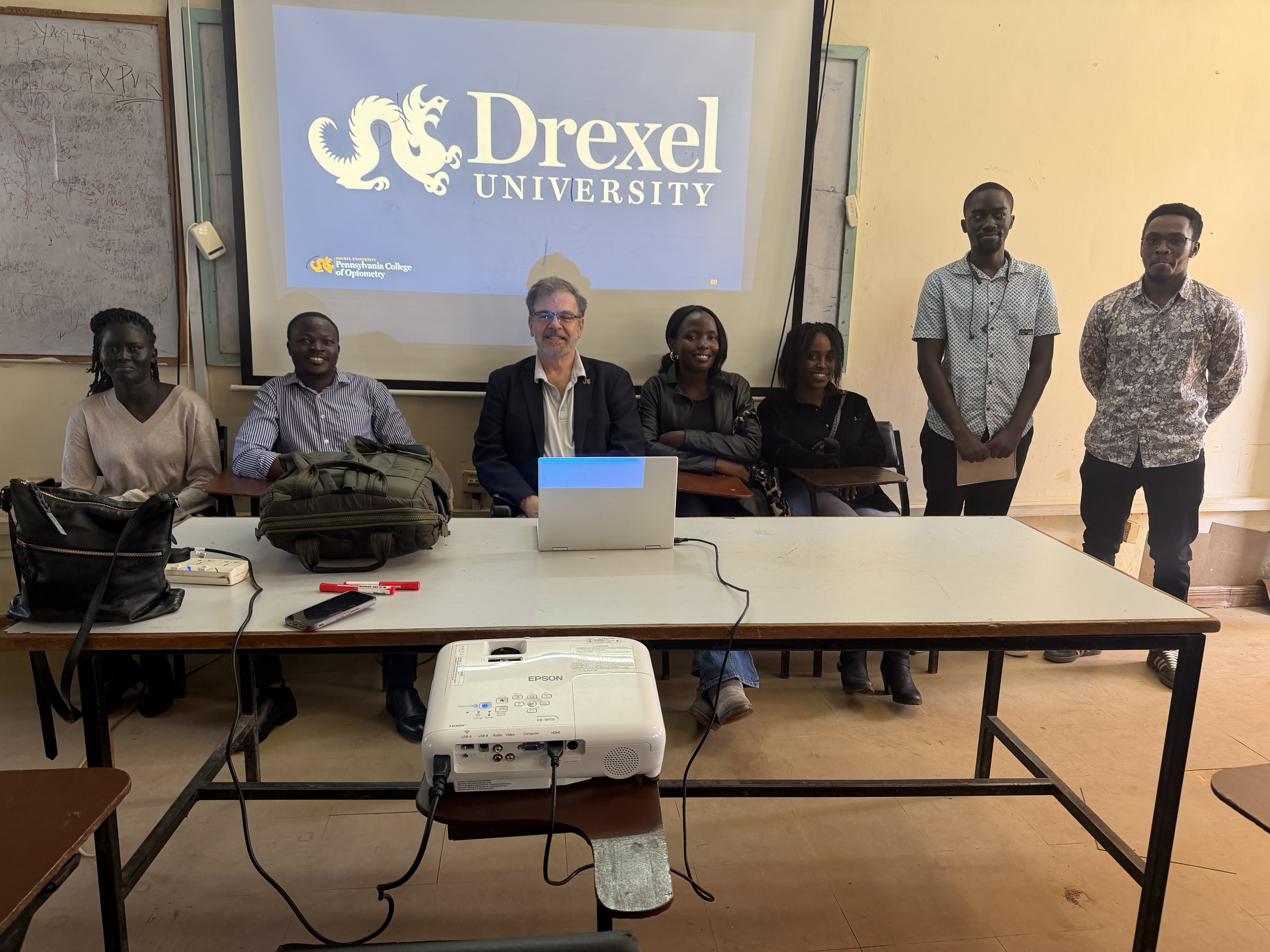
During his time at the Pennsylvania College of Optometry (PCO) in the mid-1980s, Jeffrey L. Weaver, OD ‘85, MBA, MS, FAAO, joined a Volunteer Optometric Services to Humanity (VOSH) International mission trip to Haiti. This experience would leave him with a lasting impression.
Now, 40 years later, Dr. Weaver is the vice president of VOSH/International, and recently returned from a VOSH trip to Kenya from May 31 to June 10, 2026. VOSH is a global nonprofit organization that provides vision care and eye health services to people in need.
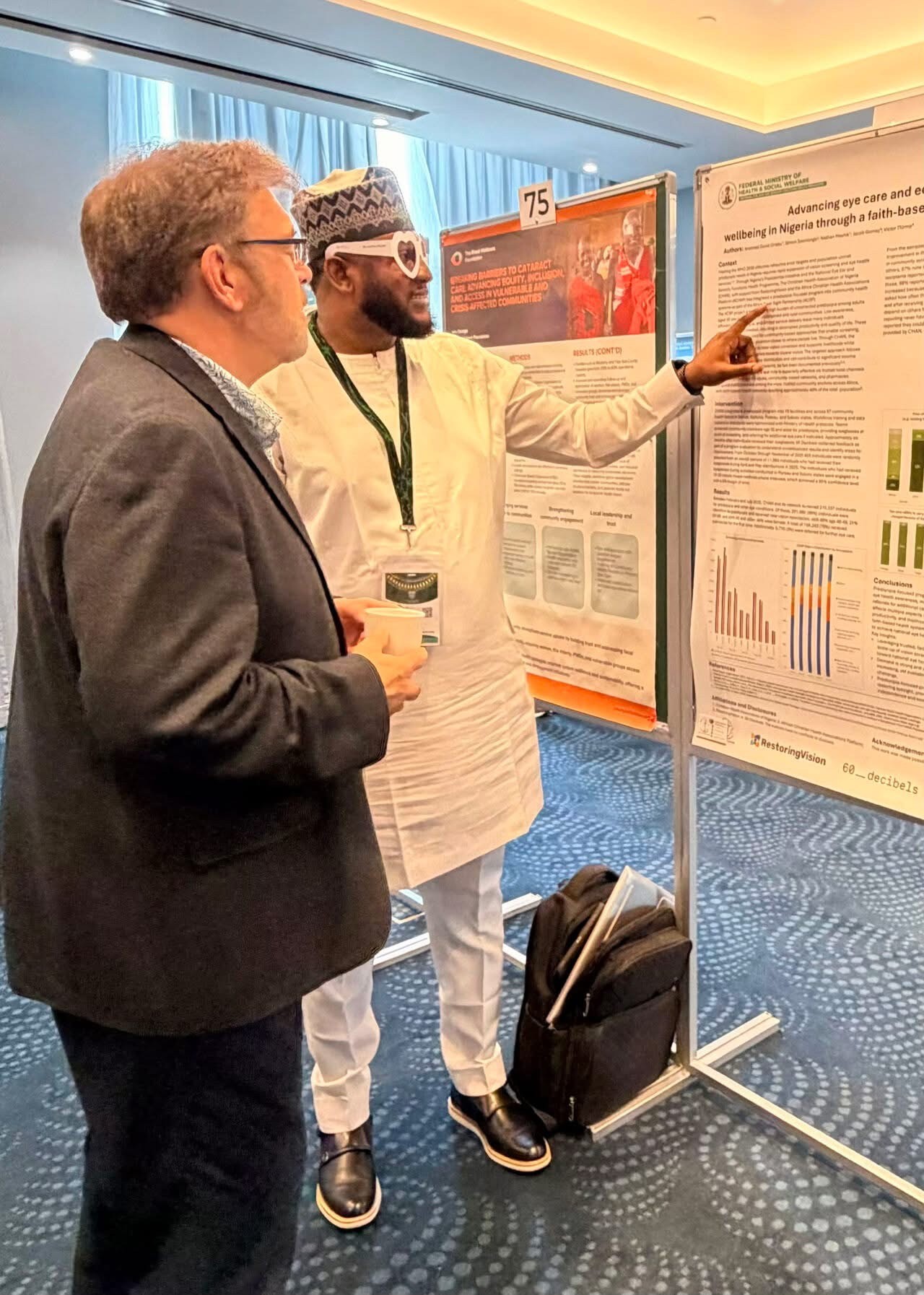 “We had all the VOSH chapters in Africa together in Nairobi, Kenya, and talked about VOSH things — how we can collaborate and cooperate across Africa and across the world,” said Dr. Weaver, the current associate dean of Faculty Excellence and professor of practice of PCO at Drexel University.
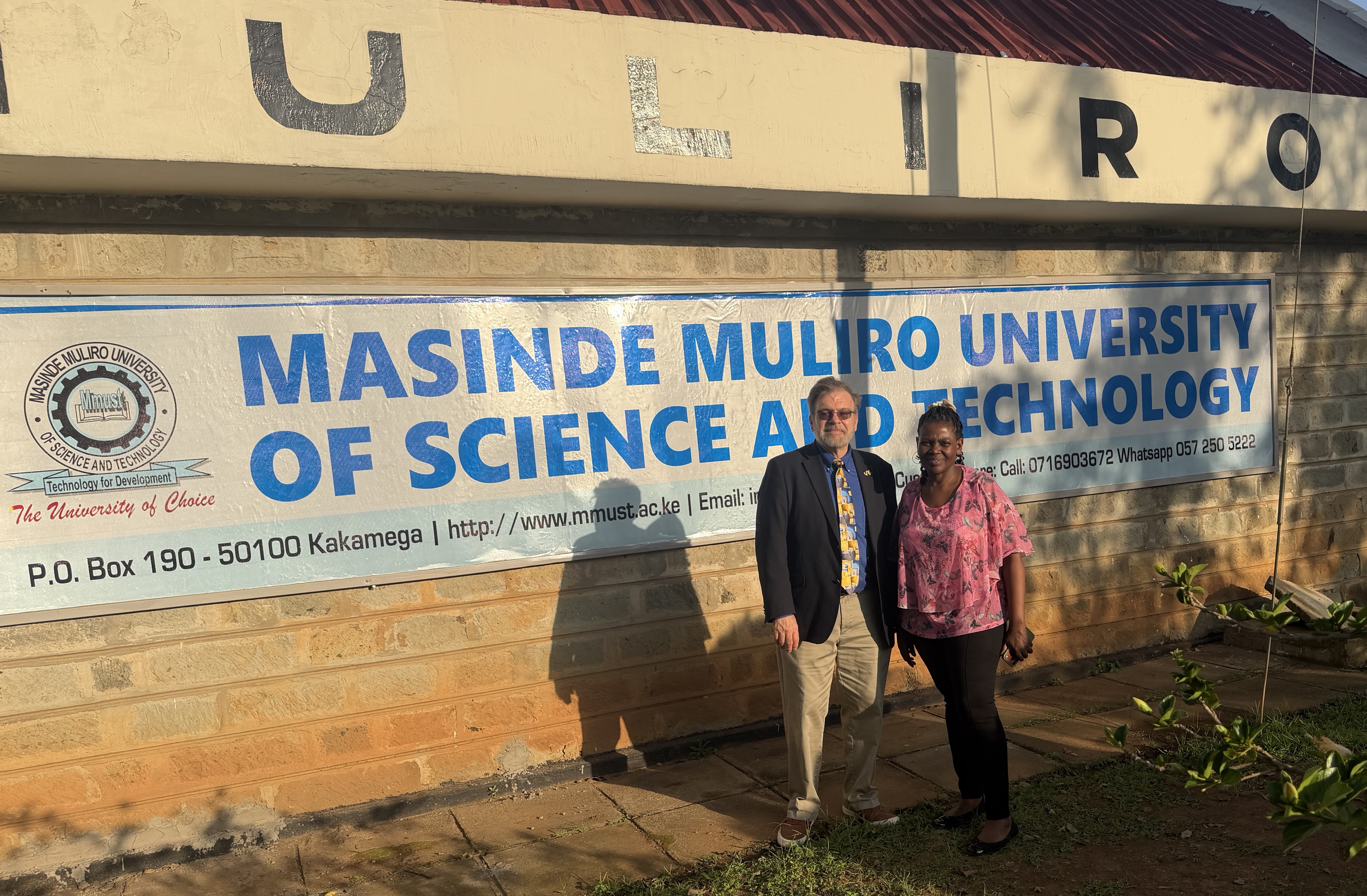
Dr. Weaver’s trip consisted of three components: (1) attending a VOSH chapter meeting, which included student VOSH chapters; (2) participating in the International Agency for the Prevention of Blindness meeting, an annual event that brings together optometry, ophthalmology and non-governmental organizations to advance the shared mission of preventing blindness and making sure eye diseases are diagnosed and treated around the world; (3) visiting Masinde Muliro University of Science and Technology in Western Kenya, where Dr. Weaver guest lectured on topics such as environmental and occupational vision, as well as the diagnosis and treatment of eye injuries and diseases.
The main issue he saw with eye care in Kenya today was the lack of proper equipment. “Their education and their curriculum was at the level of advanced diagnostics and therapeutics,” said Dr. Weaver. “But they are not able to practice because the clinic at the school was so poorly equipped. If there is anything they need, it is more clinical devices to improve their educational experience and help them provide more quality care.”
As eye care has evolved over the years, VOSH has remained committed to education and sustainable care, particularly in addressing chronic eye conditions and improving long-term outcomes for patients in Africa.
“If we’re giving a person one pair of glasses and we leave, what do they do if they break them?” said Dr. Weaver. “If you have a chronic condition like glaucoma, we can give them a year’s worth of drops to treat their glaucoma, but that’s a condition that really needs to be treated for a lifetime.”
Dr. Weaver stressed that includes getting into African communities and training locals to take care of their own.
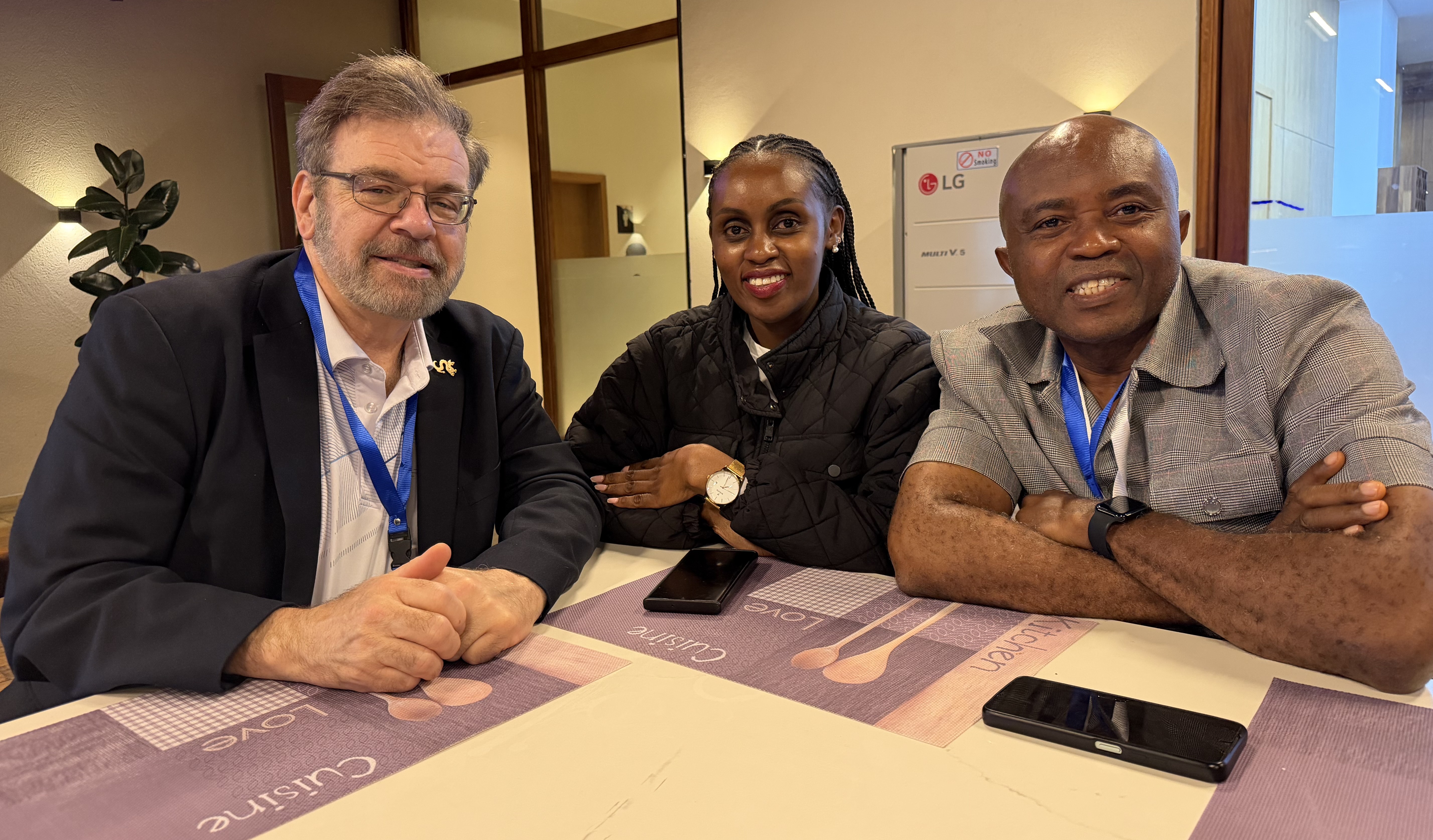 “So, we have gotten into education and setting up some permanent clinics in places that have not necessarily provided comprehensive optometric care but at least some type of ophthalmic care that is sustained,” he said. “And if you have that, you can augment it by going in there from time to time with a student group or an optometric group.”
There were no clinics set up to treat patients on this trip, according to Dr. Weaver, the only PCO representative in this U.S. contingent. There was some concern among the group members that although Ebola hadn’t been detected yet in Kenya, the cases of it were close enough that VOSH didn’t want to take any chances. Ebola is transmitted through direct contact, and eye care clinics provide that contact with patients.
According to Dr. Weaver, the trip strengthened his belief that one of the best opportunities for improved eye care in Africa is education on VOSH-sponsored trips like this one.
“In addition to the clinical experience, the cultural experience and the optometric educational experience we get from sharing and collaborating is great,” he said.