Faculty and Staff News
General News
Drexel
Optometry
Planning your path to optometry? At the Pennsylvania College of Optometry (PCO) at Drexel University, the Optometry Admission Test (OAT) is strongly encouraged, but it’s not your only option. If you’ve already taken the Graduate Record Exam (GRE), Medical College Admission Test (MCAT), or Dental Admission Test (DAT), you may be able to use those scores in lieu of the OAT – giving prospective students greater flexibility to pursue a Doctor of Optometry degree.
A student might have taken the MCAT if originally preparing for medical school admission, but then decided to switch career paths.
The MCAT focuses heavily on critical thinking, data interpretation, and the application of concepts through long, passage-based questions. The OAT relies more on direct recall, standalone questions, and factual knowledge.
In this first installment of a three-part series, we talked to current PCO students who began their journeys for the MCAT before discovering that optometry was the right path for them. They shared their experiences, what prompted the change, and what ultimately led them to pursue a career in optometry.
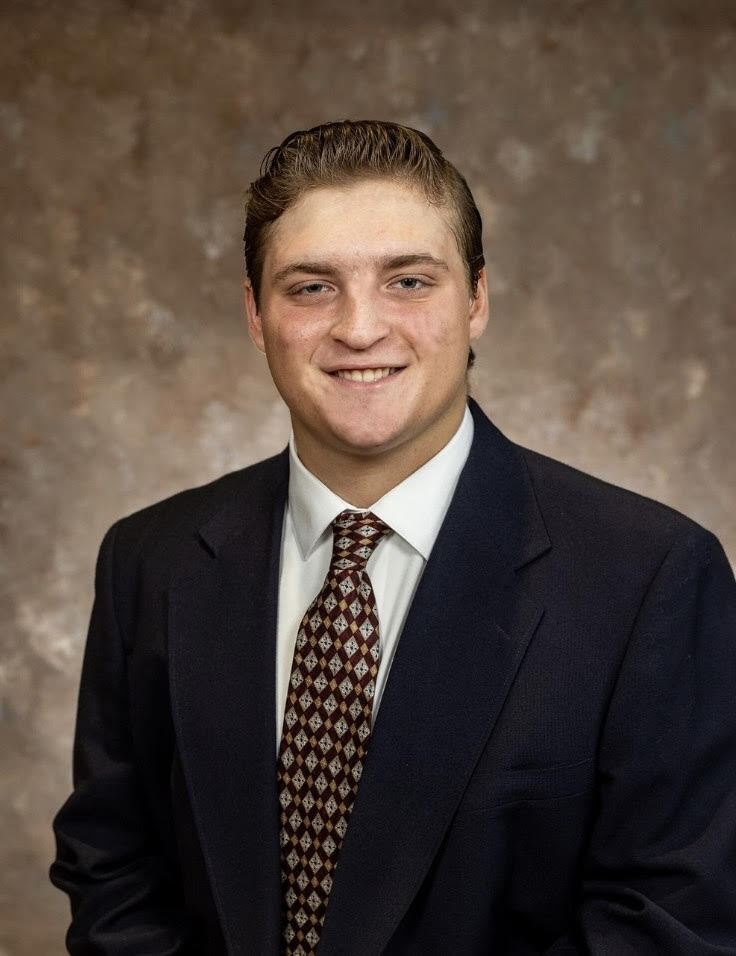 Giuseppe Bentrovato ‘29OD
When did you first decide you wanted to pursue a healthcare career?
I first decided I wanted to pursue a career in healthcare around my sophomore year of undergrad. I had been undecided until then and made the decision to make my major biology pre-med track. This was mainly due to engagement from my undergrad professors sparking an interest, as well as watching my grandfather struggle through the healthcare system as an immigrant.
At the time you took the MCAT, what career path were you planning to pursue (e.g., medical school, a specific specialty)?
At the time I took the MCAT, I was looking at programs for osteopathic medicine. In terms of specialty, it was just primary care that interested me, with the idea of being a local family doctor.
What factors led you to reconsider medical school and explore optometry instead?
I touched on it a little earlier; my grandfather had cataract surgery. English is not his first language, and the doctor did not seem to fully understand this. That, combined with his dementia, led to him losing vision in his eye. This was due to him not fully understanding the drop regimen he needed to be on. I had already begun speaking to different optometrists, and seeing firsthand how much impact a good, or in this case poor, optometrist can have on someone's health and that really pushed my decision to pursue it.
What advice would you give to students who are preparing for the MCAT but are unsure whether medicine is the right fit?
I think it is a good thing to do because it gives you flexibility. If you do well, it opens up a lot more doors for you to make decisions, and if it doesn't, it is simply just a temporary roadblock from which to decide your next steps.
What experiences would you recommend students seek out before deciding between medicine and optometry?
I think the main thing to do is shadow, shadow, shadow. This is the best way to really understand the day-to-day life of the medical profession and if it is in fact for you. I also think volunteering at an eye clinic, a hospital, or even for something like the Special Olympics can really help you decide what exact program is calling to you. Being able to see how your future career could create good in the world firsthand is a very definitive way to know if it is or isn't for you.