Optometry
General News
Faculty and Staff News
Alumni News
There’s been a great deal of interest in concussions over the past decade, especially as they relate to concussion-related vision problems, according to Mitchell Scheiman, OD, PhD ‘16, FAAO, FCOVD, senior associate dean of research at the Pennsylvania College of Optometry at Drexel University.
And, now there’s some research to support the theory that individuals experiencing concussion-related vision problems benefit from starting vision therapy immediately,rather than waiting to see if their vision issues improve on their own over time.
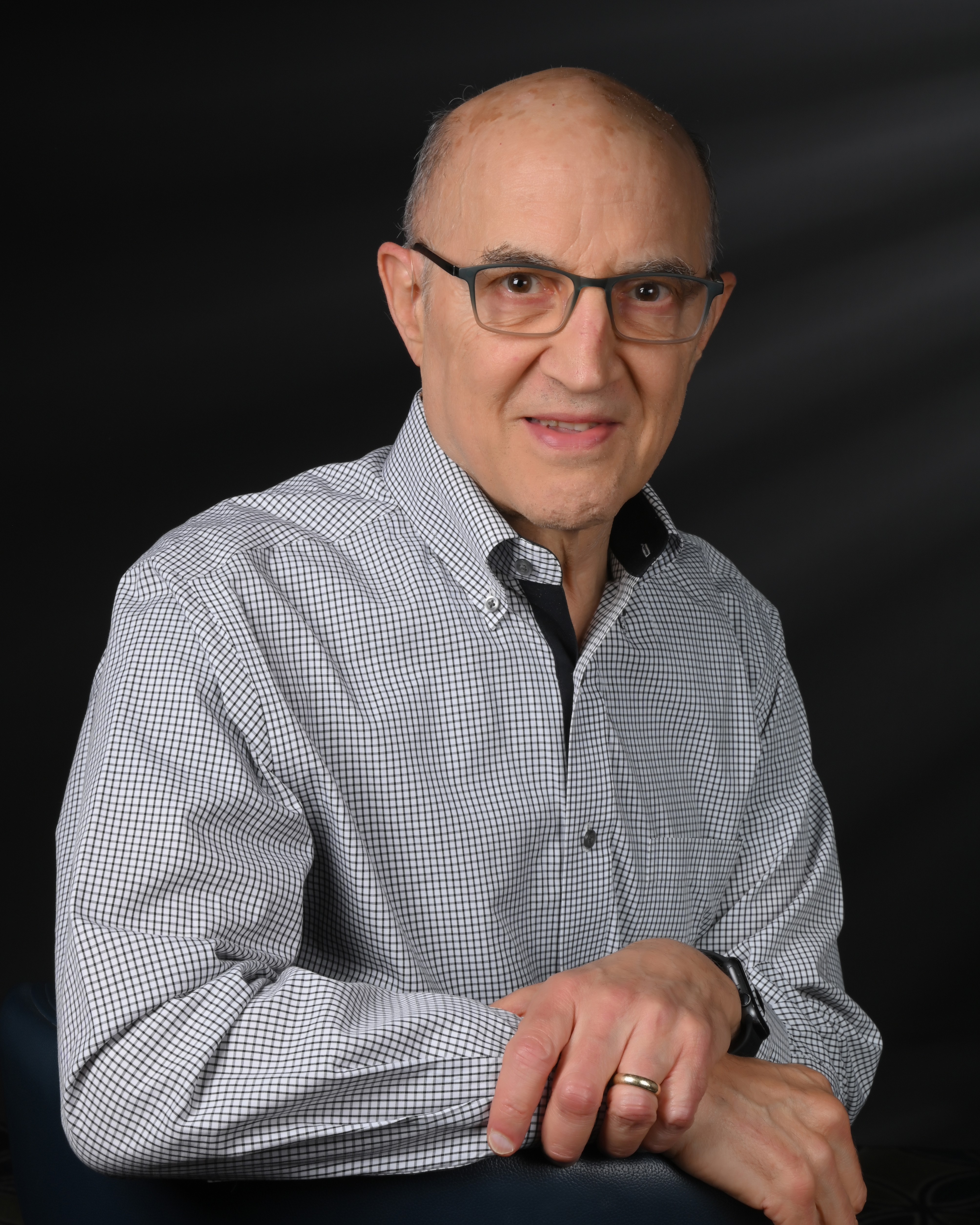 A paper on that study, titled “The CONCUSS Randomized Clinical Trial of Vergence/Accommodative Therapy for Concussion-Related Symptomatic Convergence Insufficiency” — for which Dr. Scheiman was the co-investigator — has been published in the British Journal of Sports Medicine, the highest-rated journal in sports medicine.
Research shows that 75 percent to 80 percent of individuals with concussions recover well within three to four weeks with routine concussion care. However, the remaining 20 percent experience persisting concussive symptoms and longer recovery periods. Of those people, up to 70 percent develop concussion-related vision problems.
“Up to this point, we’ve done studies where we’ve identified a high prevalence of these disorders. That’s pretty much accepted,” said Dr. Scheiman. “But what is not accepted is how to help the 70 percent that have concussion-related vision problems. What can we do to assist those individuals in their recovery? Is there something we can do to help them recover and is there something we can do to treat these vision problems that are preventing recovery?”
Dr. Scheiman and the study’s principal investigator, Tara Alvarez, PhD, director and founder of the Vision and Neural Engineering Laboratory as well as the director of the undergraduate Biomedical Engineering program at the New Jersey Institute of Technology (NJIT), aimed to answer two questions: (1) Is vision therapy an effective treatment for concussion-related convergence insufficiency? (2) Is watchful waiting or observation only just as good?
The randomized clinical trial — which was conducted by Drexel, NJIT and Children’s Hospital of Philadelphia (CHOP) — began in 2021 and concluded in 2024. Of the 106 patients studied, age 12 to 25, half were assigned to immediate vision therapy and the other half waited six weeks before having any vision therapy. Both groups had regular concussion care from a specialty physician.
The researchers observed a significant difference between the two groups. The immediate group achieved almost an 80 percent success rate in eliminating concussion-related vision problems, while only 10 percent recovered in the delayed group after waiting six weeks before starting vision therapy.
“The practical conclusion is that someone with a concussion-related vision problem really shouldn’t wait to start vision therapy if symptoms interfere with daily functions,” said Dr. Scheiman. “People who have concussions and haven’t recovered, they’re struggling with their lives. At first glance, six weeks may be a short period of time, but if you have a concussion, six weeks is a long period of time.”
Dr. Scheiman added that he believes the paper published on the study in the British Journal of Sports Medicine will be significant and widely cited because it is the first paper anywhere with high quality data from a randomized clinical trial showing these results. “The study results may potentially change clinical practice,” he said.
In a related but different study, Dr. Scheiman and the Pennsylvania College of Optometry (PCO) received a four-year, $4.3 million grant from the U.S. Department of Defense in September 2024 to study Mild Traumatic Brain Injury (mTBI) among soldiers.
In the first two years of the study, Dr. Scheiman and his team will develop a Patient Reported Outcome Measure (PROM) to assess the quality of life for these patients. This new measure will include not only vision symptoms but also factors that affect quality of life such as activity limitations, mobility, general symptoms, convenience, health concerns and emotional, social and economic issues.
The last two years of the study will resemble the recent research conducted by Dr. Scheiman and colleagues on the effectiveness of early vision therapy to treat concussion-related vision disorders. However, the age group for this study will be 18 to 35 and it will include a new quality of life measure.
Dr. Scheiman will serve as the national study chair for this research with multiple sites across the country where patients will be studied.
Participants include PCO/Drexel, CHOP, Boston Children’s Hospital, the University of California Berkeley College of Optometry, Southern California College of Optometry (SCCO), The Ohio State University College of Optometry, Baylor Scott & White Health, University of New South Wales (Australia), Colorado Springs Neurological Associates, Walter Reed National Military Medical Center, and private practitioners in New Jersey, California and Virginia.