
General News
Current Student News
Occupational Therapy
Alumni News
When she was a young girl, her grandfather used to take Sara Bembischew ‘27OT to visit horses in his neighborhood. She recalls feeling a strong connection to the animals back then.
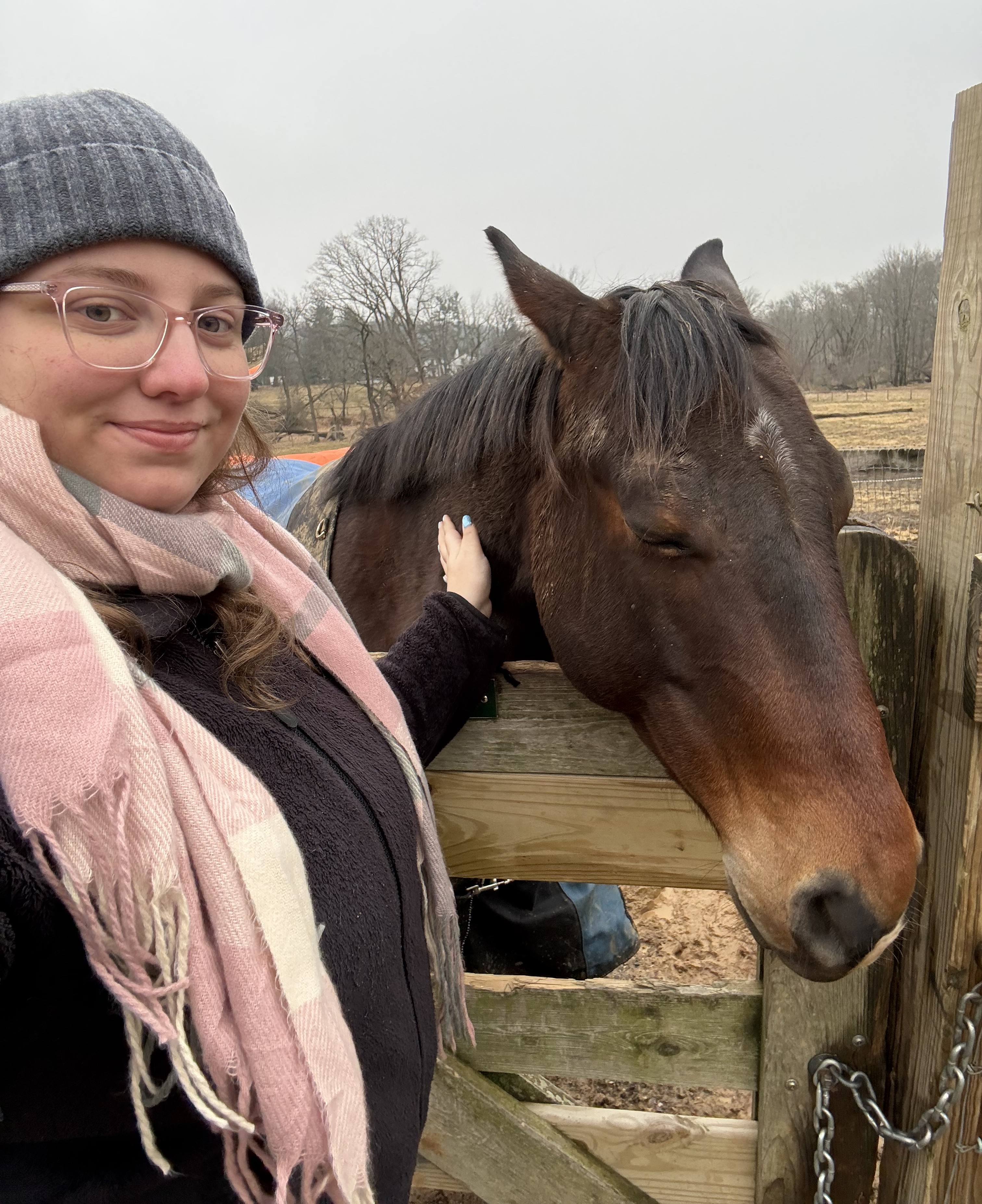 As she got older, Bembischew kept finding ways to be around horses. In high school, she volunteered at a local riding facility, and then in 2020, she started riding more regularly. “Riding has been really therapeutic for me, and it’s something I still enjoy when I can,” said Bembischew.
For Diana Wydro ‘27OT, things were completely different. She hasn’t been into horses at all during her lifetime.
But both Bemischew and Wydro, students in the Occupational Therapy (OT) program in the College of Nursing and Health Professions (CNHP) on Drexel University’s Elkins Park campus, shared a similar fieldwork experience recently at Thorncraft Equestrian Center in Malvern, Pennsylvania. There, they were working with patients who have physical, cognitive, and emotional needs in therapeutic horse-riding sessions.
According to Bembischew, assisted interventions, such as equine-assisted therapy, incorporates horses into the treatment process to help individuals develop a range of skills, including physical strength, balance, coordination, and even emotional regulation or confidence.
“Therapeutic riding is a specific type of intervention where individuals are taught riding skills in a way that also targets therapeutic goals,” said Bembischew. “For example, the movement of the horse can help improve core strength and balance, while the overall experience can support things like attention, communication, and self-esteem. It’s not just about learning to ride, it’s about using the horse as a tool to support development and function.”
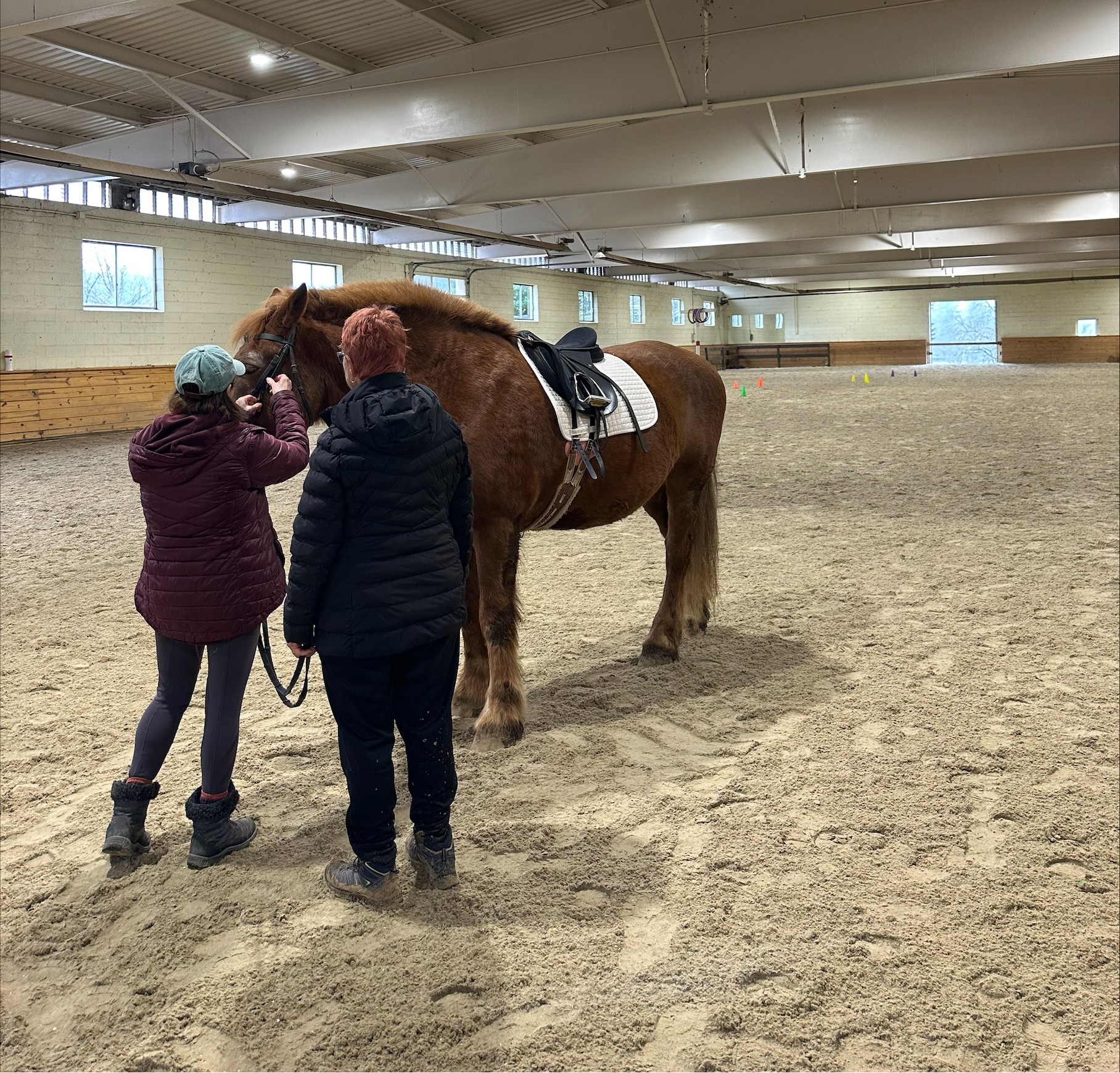 For Wydro, who had no experience at all with horses, the one-week fieldwork training reinforced the importance of meeting clients in environments that are meaningful for them.
“A lot of what we talk about as occupational therapists is keeping clients motivated and doing meaningful tasks with them,” said Wydro. “It was so cool. You’d see somebody who could not walk or could not move on their own, and they would get on the horse and be moving. I had no idea all of that was out there and that a horse could do that. That the clients could connect with the horse in such a way. I had no idea that was even possible.”
Thorncraft is a facility that strives to develop the physical and emotional well-being of all who come to the farm through adaptive and recreational horseback riding and other equine-assisted services in an inclusive, equestrian environment of love and respect.
In a therapeutic riding session, OTs work closely with an entire interprofessional team that also includes physical therapists (PT), riding instructors, and volunteers. Everyone offers a different perspective, but they are all working toward the same goals for the riders.
For example, Bembischew said, an OT might focus on more functional skills like posture and participation in meaningful activities, while a Physical Therapist might focus more on movement and strength. A riding instructor would help the client adapt to the actual riding tasks while volunteers help with safety and support.
“It really showed me how important communication and teamwork are, because everything has to be coordinated to make the riding session safe and effective,” she said.
Wydro — who nonetheless volunteered for the equestrian fieldwork assignment because she believed it was a “once-in-a-lifetime experience that I knew I was never going to get again” — was amazed by what she learned from the horses themselves in just a week working with them. “They can feel your emotions. If your heart rate is up, their heart rate will go up. If you’re anxious, they’re going to feel anxious. If you’re in a good mood and you’re feeling it, they’re going to be in a good mood,” she said. “The horses literally take your vibe, and they roll with it. That’s so crazy.”
Both students said the experience gave them more to think about as they progress through their educational experience and prepare to be occupational therapists.
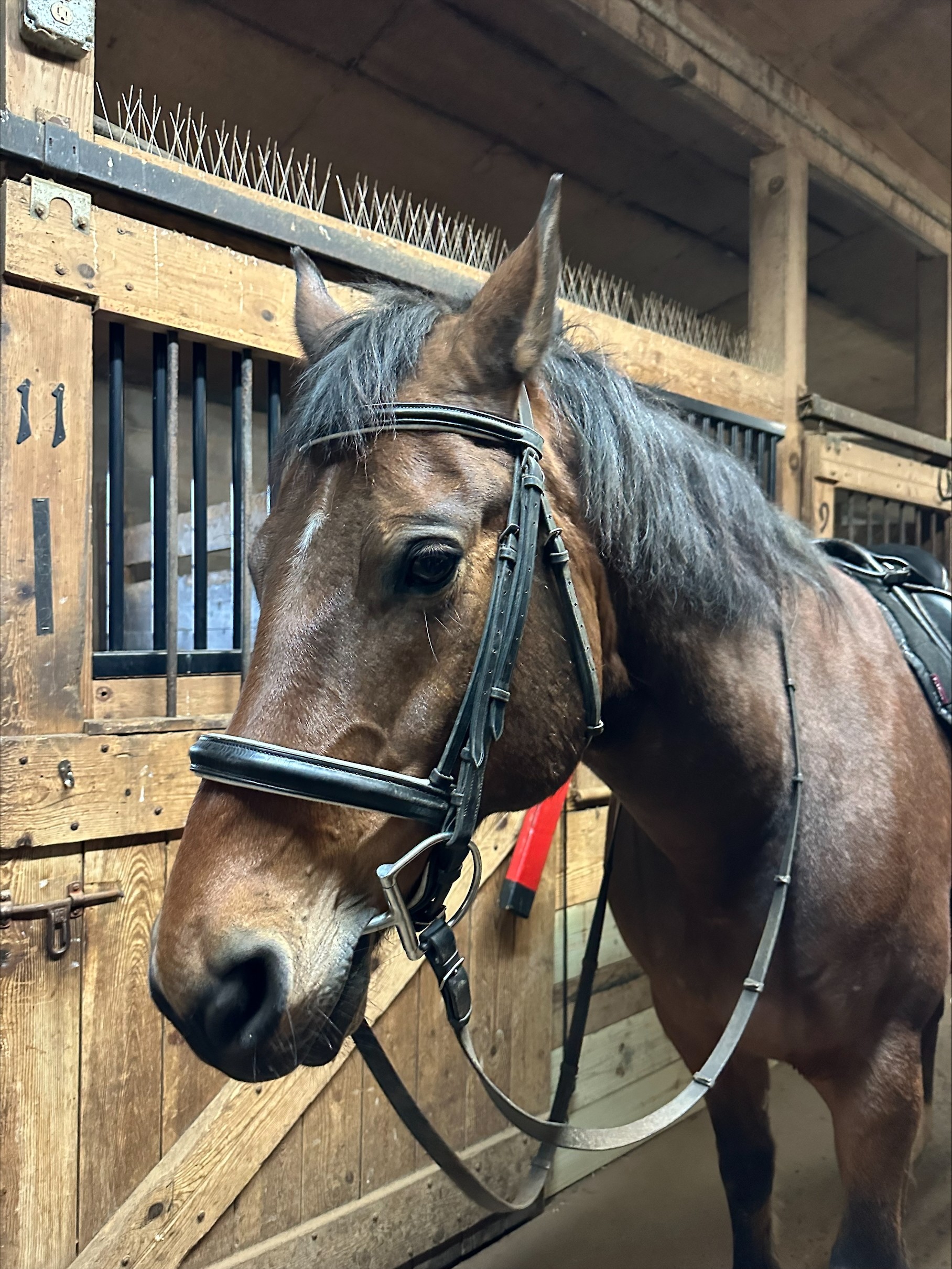 Wydro, who was leaning toward working in a hospital inpatient OT setting, said the Thorncraft experience has encouraged her to think about branching out within the OT profession. “There is so much you can do with OT I just never even thought this was something I could do,” said Wydro.
For Bembischew, the experience helped her connect what she’s been learning in class to real-life practice and gave her a better understanding of how creative and flexible OTs can be.
“I was able to see how client-centered care actually looks like in action, with sessions being adapted in real time based on each person’s needs,” said Bembischew. “Watching how the horse’s movement could impact a rider’s posture, balance, and overall engagement was really powerful, and it made me start to picture myself working in that kind of setting. It was one of the first times I could actually see myself in a specific area of OT and feel confident about it.”
She added that the experience also changed how she viewed therapy in general, that interventions don’t have to look “traditional” to be effective. “Sometimes, the most meaningful progress happens when clients are engaged in something they enjoy and feel connected to,” said Bembischew. “That’s something I want to carry with me into my future career.”