General News
Audiology
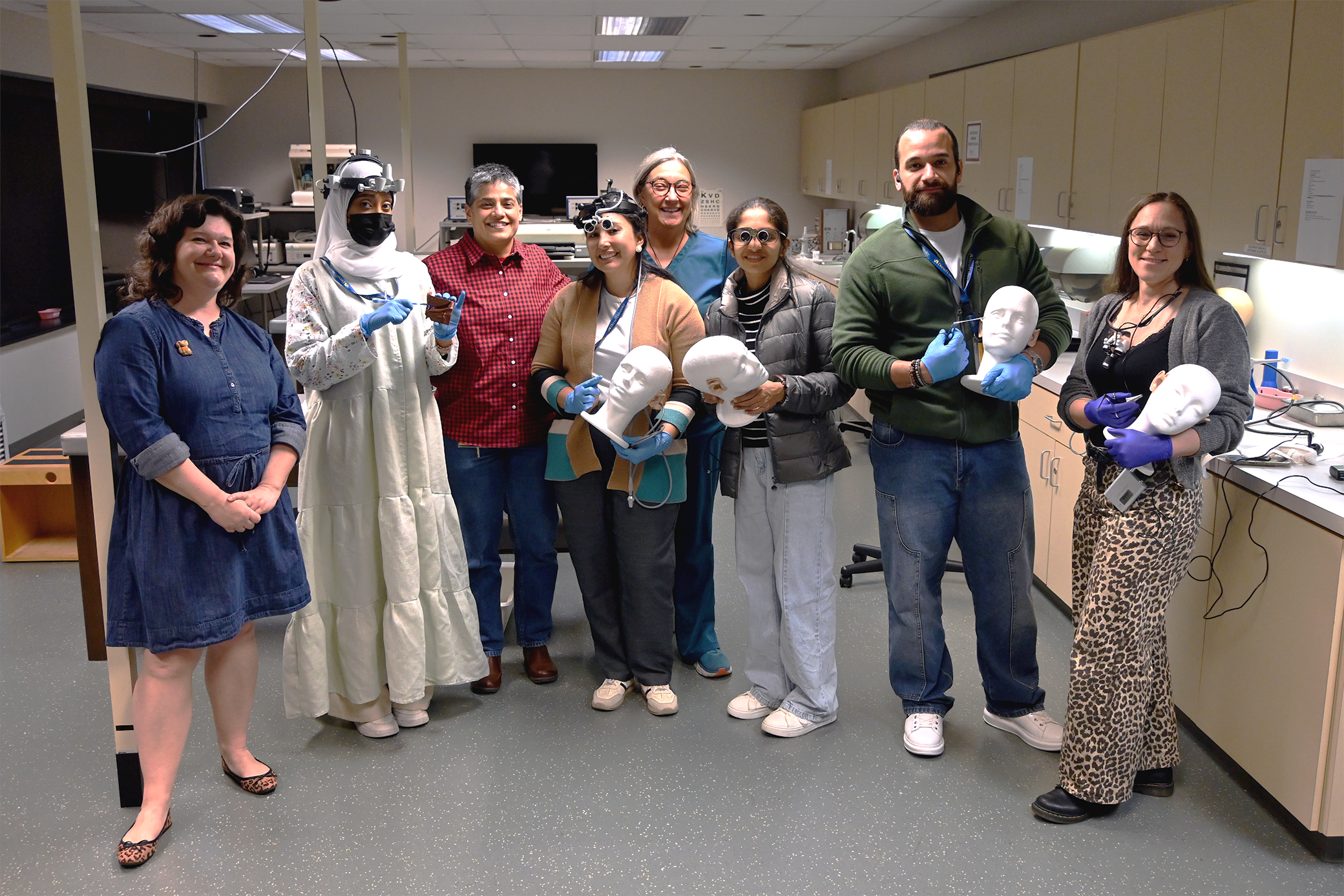 The Doctor of Audiology (AuD) Bridge Program in the Osborne Audiology department of the College of Nursing and Health Professions on Drexel University’s Elkins Park campus is a distance education degree program that offers online education for working international or domestic audiologists uniquely designed to meet the educational needs of the modern audiologist that already has a master’s degree or medical degree in audiology.
The profession of audiology worldwide is distinct in that it is a multi-disciplinary area of study and practice. Audiologists committed to remaining current with today’s rapid advances in the profession and health sciences require specific essentials that include knowledge in the fundamentals of neuroscience; application of sound clinical judgments based on psychoacoustic principles; adherence to evidence-based intervention methods; and a deep understanding of public health and professional issues.
The AuD Bridge Program can now be completed entirely online—including workshops.
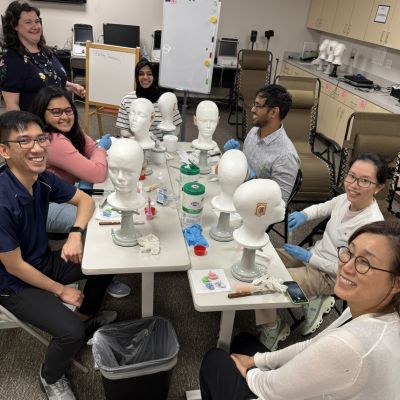
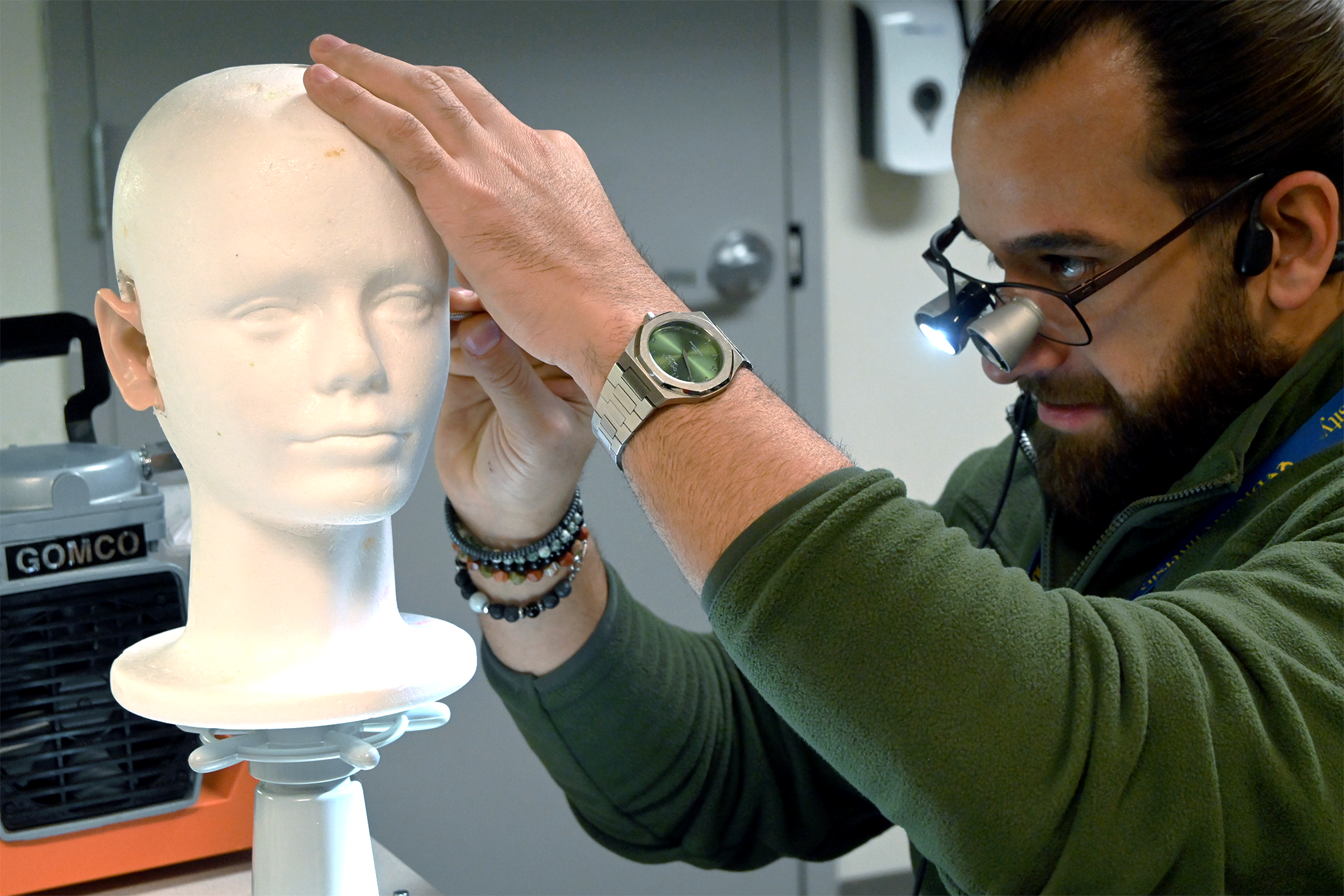 “This innovation allows students to engage fully with their coursework without taking time away from work or family, making it easier and more affordable to advance their credentials,” said Shilpi Banergee, PhD, director of the Osborne Audiology Distance Education program. “Those who prefer in-person interaction can still choose to attend optional hands-on workshops at Drexel’s Elkins Park, Pennsylvania campus, where they can collaborate directly with faculty and peers.”
The AuD Bridge curriculum has been expanded to include electives and specialization tracks. Students can select from foundational courses—such as Auditory Processing Disorder—to refresh core knowledge, or advanced courses like Intraoperative Neurophysiologic Monitoring for a deeper dive into complex clinical areas. Students also have the opportunity to specialize in two areas of practice, choosing among hearing aids, cochlear implants, tinnitus and hyperacusis, and balance. Each specialization track consists of a six-course series for in-depth coverage, with optional workshops available for those seeking additional hands-on experience.
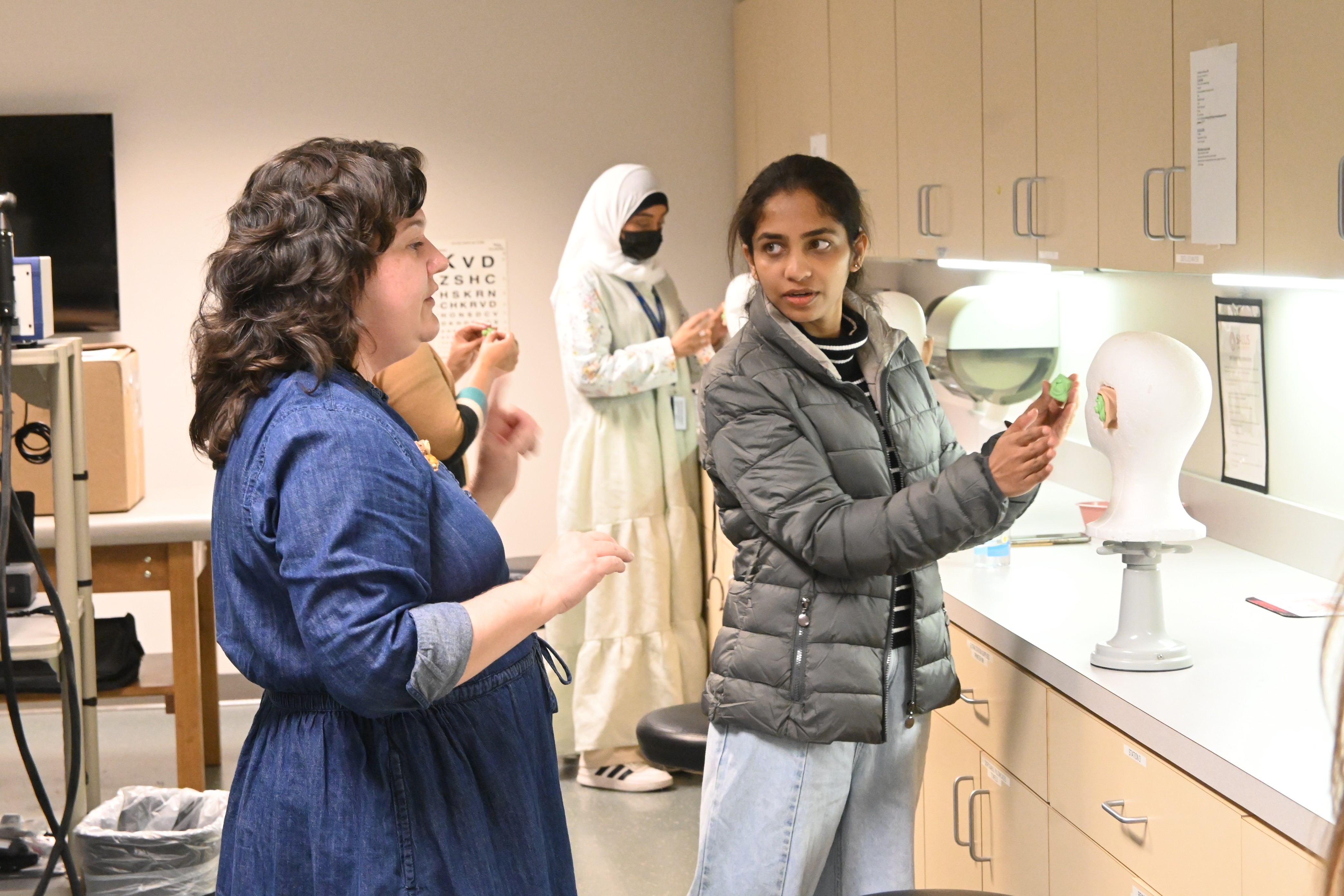 In addition, a simulation-based learning has been integrated into the Master of Science in Clinical Audiology (MSCA) curriculum. This type of learning has been shown to improve technical competencies by allowing students to practice skills, receive feedback, and explore rare clinical scenarios in a realistic, low-risk environment. This innovation bridges the gap between theoretical knowledge and real-world application—helping students gain confidence before entering clinical settings.
And, starting in fall 2026, Osborne Audiology’s Advanced Studies certificate programs will be offered on a rotating schedule every other academic year. For the incoming 2026–2027 academic year, the Tinnitus and Hyperacusis certificate will be available in the fall semester, while Cochlear Implants and Vestibular Sciences and Disorders will be offered in the spring.
Osborne Audiology is committed to combining academic rigor with flexibility and innovation—empowering audiologists everywhere to keep learning, growing, and leading in their respective profession. Contact the Office of Admissions to apply.