Faculty and Staff News
General News
Drexel
Optometry
As a Vision Rehabilitation Therapist (VRT), Lachelle Smith, MS ‘04, CVRT, LVT, works with individuals of all ages who are blind and visually impaired; however, primary clients are often older adults who experience acquired vision loss.
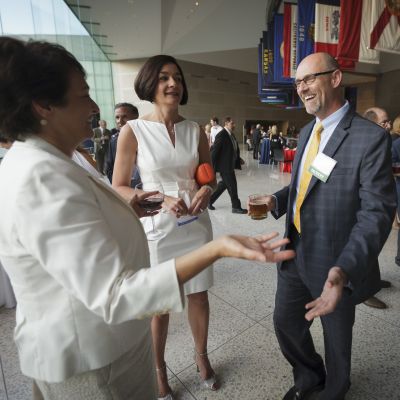
So, attending the recent Farnese Symposium on Aging – celebrating its 20th anniversary this year - at Drexel University was an opportunity to learn and share the latest best practices with her students and clients.
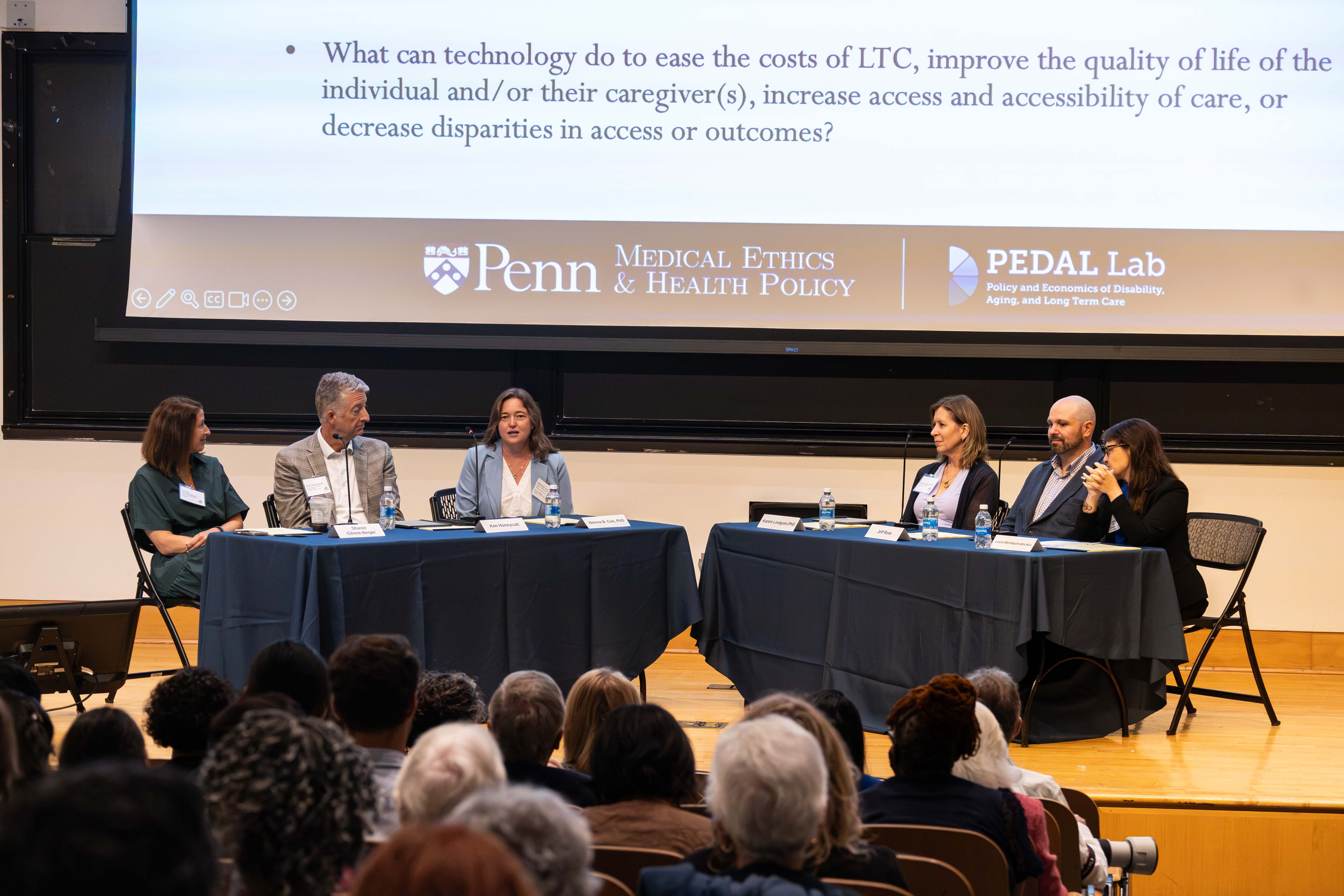
This year’s symposium theme was “Conversations on Technology, Accessibility and Affordability,” and examined how technology, accessibility and affordability are shaping the contemporary aging experience, particularly as older adults seek to navigate digital tools and social services amidst rapidly evolving housing landscapes — whether urban, suburban, individual or communal.
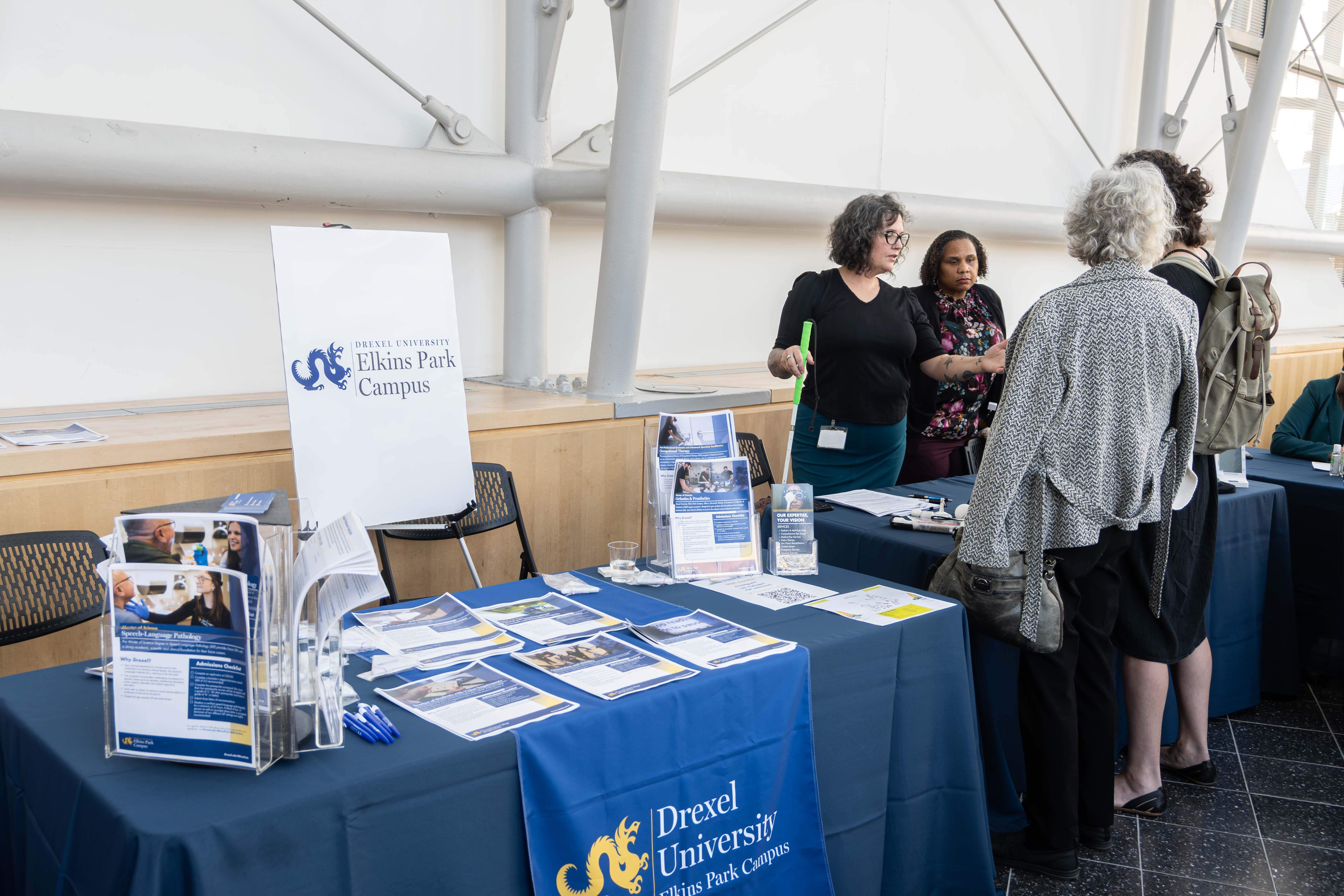 “One of the things we try to do is to learn how technology helps our learners, our students and our consumers live safe and independent lives,” said Smith, director of the Vision Rehabilitation Therapy Program (VRT) at the Elkins Park campus of Drexel University.
Smith said her clients need access to everyday equipment in their homes. For example, she mentioned, appliances such as stoves, washers, dryers, HVAC and security systems have digital displays that present unique challenges for those with limited to no vision. Many of these appliances and equipment do not take those without visual access into consideration when designing and manufacturing the appliances.
“If we try to label it, even with thin or smaller labels, it often interferes with the operation of that function,” she said. “So, we need technology that takes low vision and no vision into account.”
Attendees engaged with the challenges and opportunities presented by Artificial Intelligence (AI), technology, and healthy aging through the application of design thinking and creative methodologies that they can subsequently implement within their respective organizations.
The keynote was given by Rose Ann DiMaria Ghalili, PhD, RN, FASPEN, FAAN, FGSA, professor and senior associate dean for Research and interim vice provost for Research and Innovation at Drexel. A panel discussion on “Conversations on Technology, Accessibility and Affordability: The Technology Toolkit for Aging in Place,” included panelists from the business community.
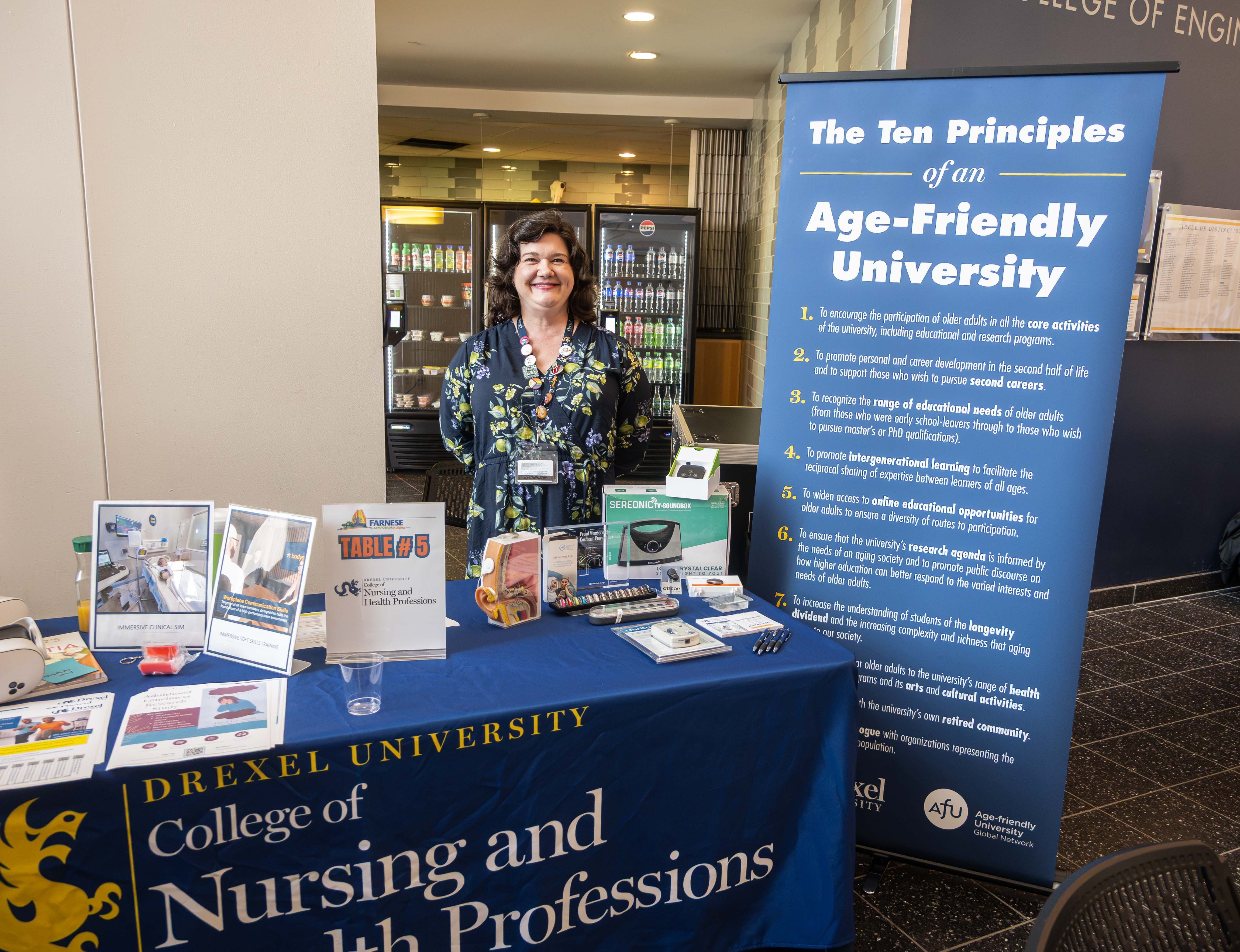 Rebecca Blaha, AuD, lead audiologist at the Pennsylvania Ear Institute (PEI) of Drexel University, attended the symposium in part as a way to get the word out that the University has a full-service audiology clinical facility on the Elkins Park campus.
She added audiology is a significantly technology-driven profession and the symposium offered the perfect audience and networking opportunities for the clinical site.
The biggest challenge the aging population faces with hearing, is being willing to adapt to the technology that might seem unusual or different to them, said Dr. Blaha.
“I think the mindset around assistive technology needs to expand – we need to acknowledge that we use it every day,” she said. “If you have an Alexa in your house and you talk to that and you say, write this down, make a list, things like that, that's a form of assistive technology. More people are receptive to that, but it doesn't stand by itself. There are a lot of other assistive devices that we could also be incorporating for hearing and visual assistance. And, so if you're open to the experience, there's a lot we can offer.”