General News
Current Student News
Occupational Therapy
Alumni News
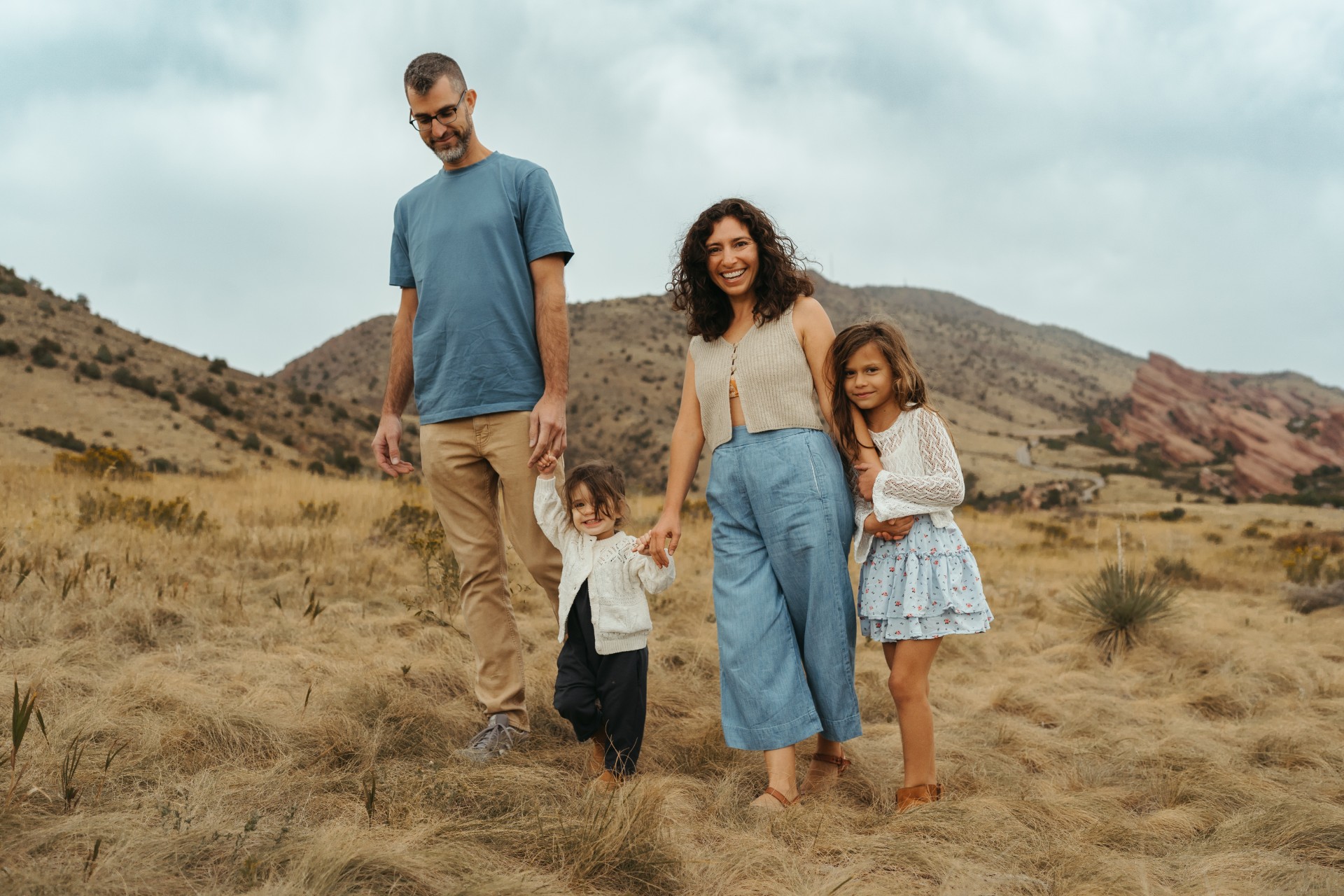
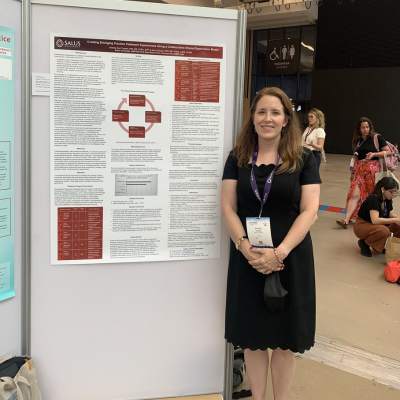
After graduating from the University of Scranton in 2010 with a master’s degree in Occupational Therapy (OT), Jennifer Dunne ‘26OTD, OTR/L, worked at a rehab hospital in the Philadelphia area for five years. She then moved to Colorado and worked at a Level 1 trauma hospital for seven years.
At that point, she decided it was time to flex her brain muscles again.
“I had a young daughter, and the journey to have a second child wasn’t working out,” said Dunne. “I decided I should put my efforts somewhere else and do something for myself.”
During an in-service training at her workplace in Colorado, an occupational therapy student from Salus University - now Drexel University after the 2025 merger - presented a capstone project.
“At the time, I thought Salus sounded familiar, but I couldn’t place it,” said Dunne. “Then I remembered a former colleague of mine, Dr. Foy (Caitlyn Foy, OTD, MOTR/L, CLA, former director of the Post-professional Occupational Therapy Doctorate program), taught at Salus. Then I started connecting the dots.”
 Dunne applied to - and was accepted into - the Salus OT program. What followed was a long and challenging four-year journey to earning her doctorate.
Her reason for going back to school, she said, was to put her mental energy and emotions into something different. But one semester after her return to school, she got pregnant with her second daughter and took a new position in Colorado.
That’s limited Dunne to taking one class per semester, all online, since she’s still working full-time in Colorado. She’s now one semester away from finishing her doctorate in the OTD Health and Wellness track.
More often than not, Dunne said, she’s asked herself why she was doing it, taking on the challenges of a long-distance doctorate and motherhood for two young children. “Initially, it really was that I wanted to go back to school and learn,” she said. “And, then every time I faced exhaustion, I’d get excited about a topic we were discussing, or progress on my capstone, and that kept me going.”
According to Dunne, the support she has received from her husband and the Salus/Drexel faculty have helped tremendously.
“I have an awesome husband who helps me a lot. And, then the faculty, they really want the students to succeed,” said Dunne. “Just knowing if I had to ask, they were accommodating. The dynamic isn’t really professor and student; we’re all working professionals. The common ground helps a lot. The faculty has never doubted me; they understand the family struggles.”
With so much on her plate, Dunne spends any free moment she has with her family. “That’s where I want to be. I want to go visit the new playground, I want to go to my kids’ activities, and volunteer at their school. That’s where I spend my free time,” she said. “But I am really looking forward to having a hobby after I graduate. Something that I can do that I don’t have to think too much about.”
As she nears the end of her current educational path, Dunne said she feels more well-rounded professionally and more prepared for the next step in her career, although she hasn’t yet decided what that will be.
“I’ve been working clinically for 15 years, and I don’t have any intention of getting out of the clinic,” said Dunne. “But I do feel comforted knowing that if I did need to leave the clinic for whatever reason, that I’m prepared. My Plan B feels a little more attainable.”