General News
Alumni News
Blindness and Low Vision Studies
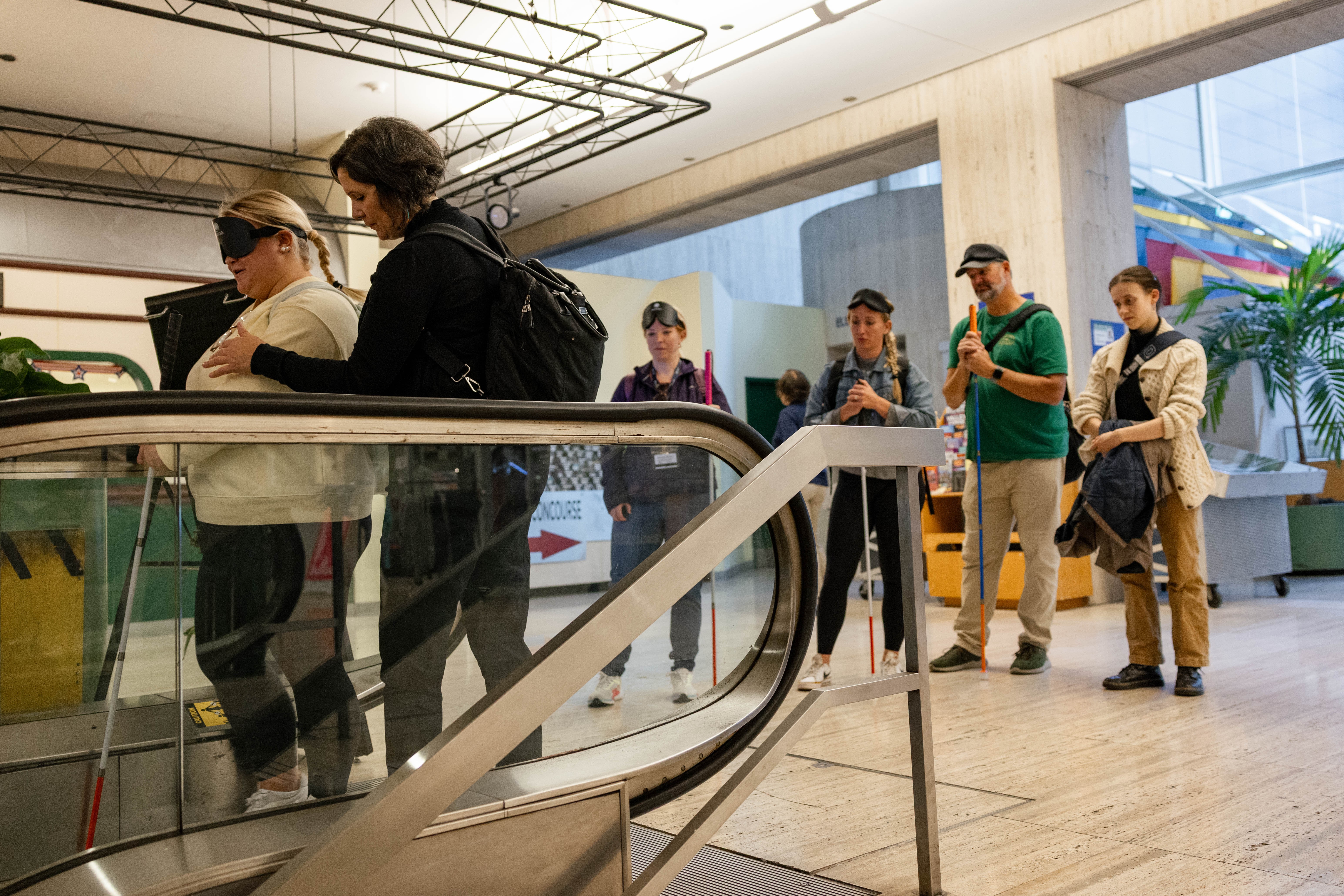
Do you know the Department of Blindness and Low Vision Studies (BLVS) at Drexel University?
Housed within Global, Interprofessional, and Specialized Programming (GISP), BLVS offers a suite of four graduate programs that prepare highly qualified professionals to work with individuals in the blindness and low vision in the areas of education and rehabilitation.
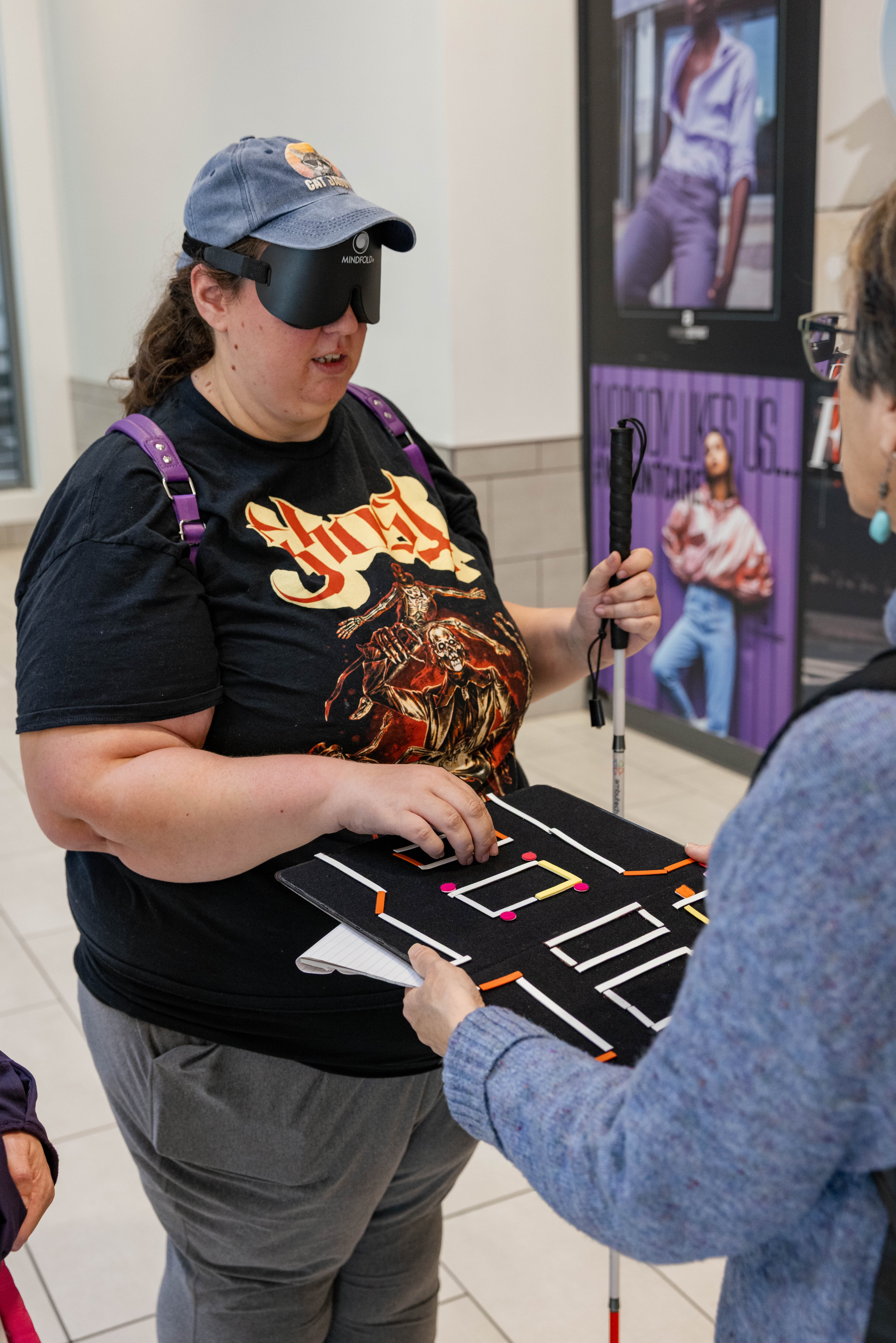 “The programs have grown to serve not only people who are entering the field but also those already in practice through micro-credential courses and continuing education,” said Fabiana Perla, EdD, COMS, CLVR, chair of the BLVS department.
There are four master’s degrees and certificates in the following areas:
Emphasis is placed on an interdisciplinary team approach to service delivery. Students who earn their degrees represent disciplines such as rehabilitation counseling, vision rehabilitation therapy, special education, orientation and mobility, occupational therapy, social work, optometry, and ophthalmology, among others.
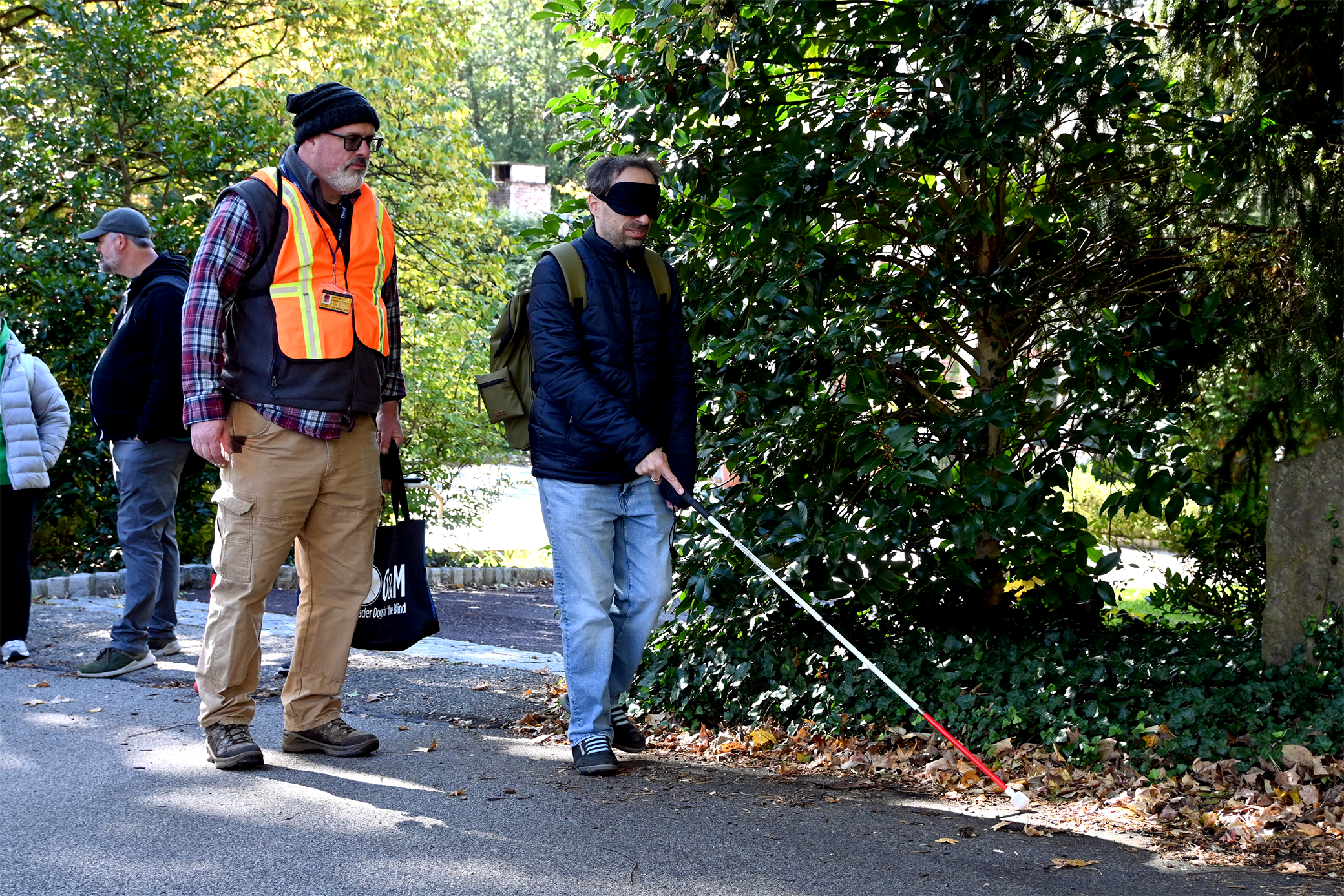
The LVR program offers full-time and part-time options. The majority of the curriculum is taught online, with an on-campus residency on the Elkins Park, Pennsylvania campus and an internship.
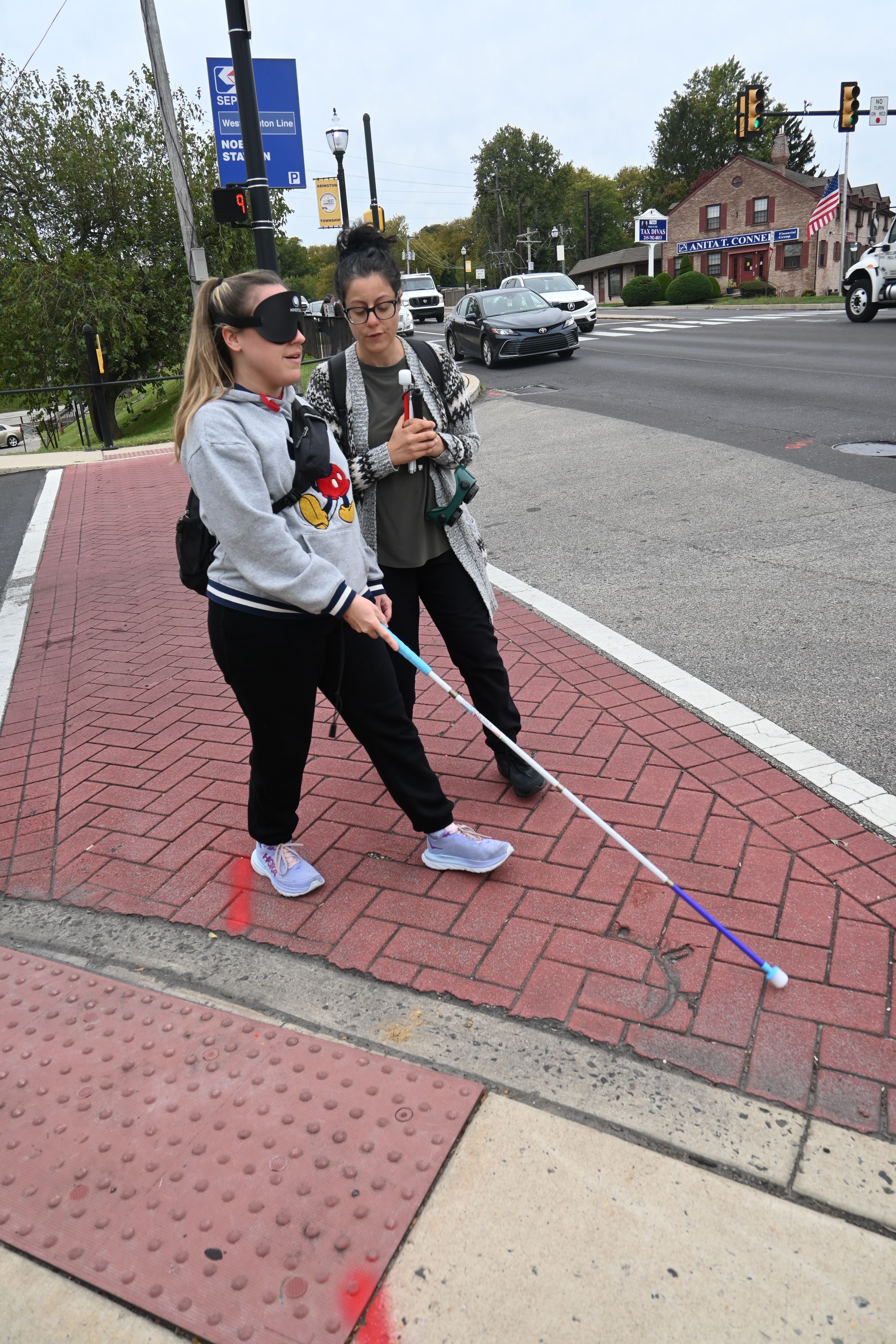 Students successfully completing the TVI program, upon graduation, are prepared for certification by the state credentialing body in Pennsylvania. The master’s degree program offers students the possibility of reciprocity of certification in other states upon graduation. While coursework is primarily held online, programs are offered for part-and full-time study, including a four-week summer residency on the Elkins Park, Pennsylvania campus for two summers, and an off-site internship.
This program can be taken on a full-time or part-time basis and are mostly delivered online, with an eight to 10-week summer residency on the Elkins Park, Pennsylvania campus, and an off-site.
“I call the VRTs the general practitioners of blind rehabilitation,” said Lachelle Smith, MS ‘03, CVRT, LVT, director of the VRT program. “We are the original profession in the blindness field. We started in the mid-1800s under the title of ‘home teachers.’ This profession started with individuals who were blind teaching other people who were blind how to live independently, how to find employment, work, and take care of themselves.”
Blindness and visual impairments impact all aspects of life: occupational, education and recreational. The Drexel programs prepare professionals in rehabilitation, eye care, education and other related fields to work more effectively with people who have low vision. Emphasis is placed on an interdisciplinary team approach to service delivery.
“It didn’t really matter what age that person was, Salus/Drexel really taught us how to take that person as a person, assess them and come up with customized plans,” said Sara Reuss, MS ‘17, O&M ‘19, CLVT.