Optometry
Drexel
General News
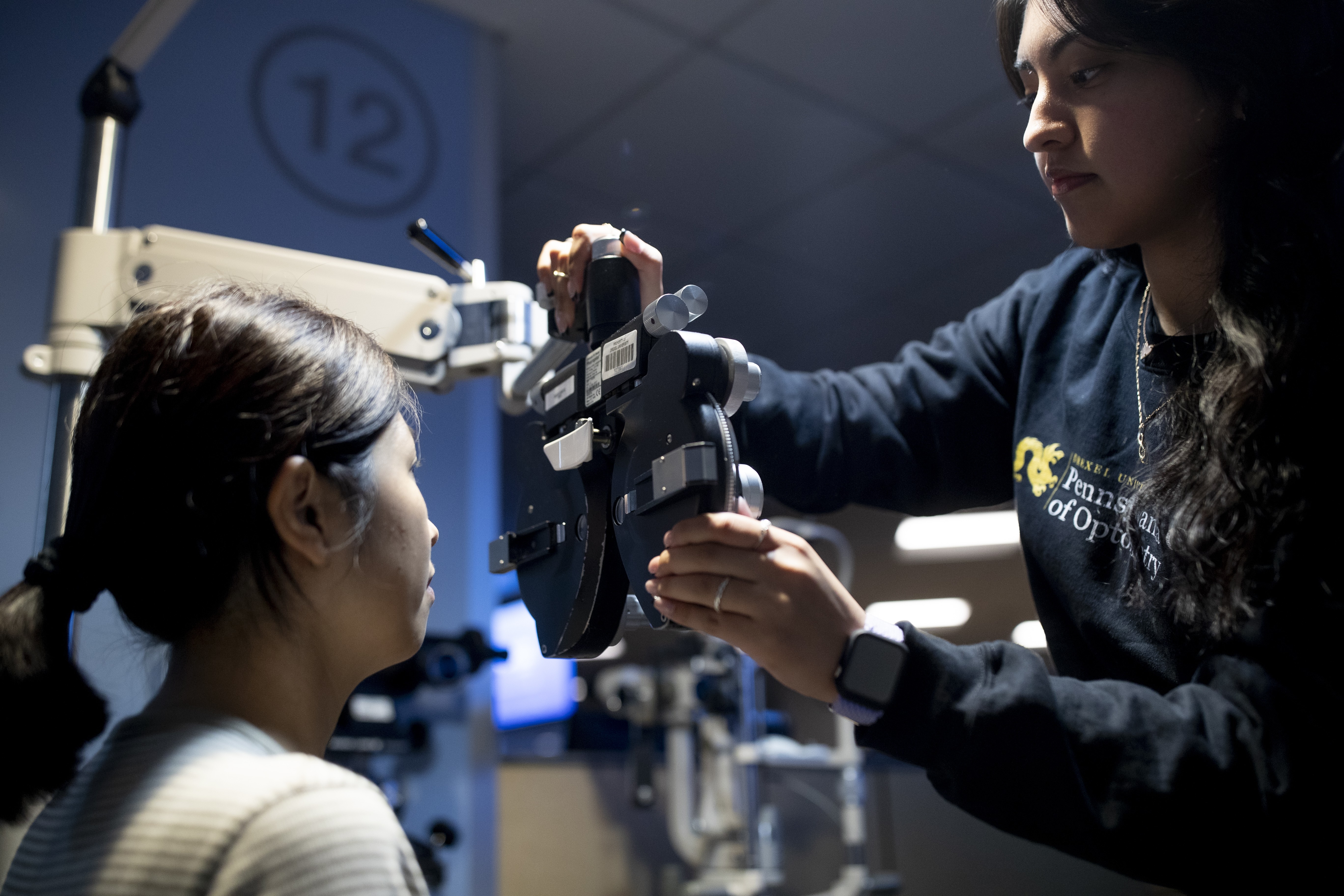
The Pennsylvania College of Optometry (PCO) at Drexel University has pioneered standard-setting innovations in optometric education since 1919. In 1923, PCO became the first optometry school in the United States to award the Doctor of Optometry degree. Today, from its Elkins Park campus (since 1998), PCO graduates more than 120 students per class—many of whom go on to become leaders in the profession. Today, the College continues to offer more choices for students.
Here are five fun facts about PCO:
(1) Alumni as Leaders:
The dean, Josephine Ibironke, OD ‘03, Resident ‘04, MPH, FAAO, is a PCO graduate who completed her Pediatrics and Binocular Vision residency at The Eye Institute (TEI). She proudly describes having “PCO DNA,” and her return as dean in 2025 shows how the College cultivates leadership from within.
(2) Innovative Accelerated Scholars Program:
PCO is the only optometry college or school with a three-year Accelerated Scholars Program that lets highly motivated students complete the Doctor of Optometry degree in 36 months, a year faster than the traditional route, without compromising on curriculum or clinical experience. The Scholars program has become known for its success in the National Board of Examiners in Optometry (NBEO) testing scores and production of high-quality clinicians.
(3) Early Clinical Exposure:
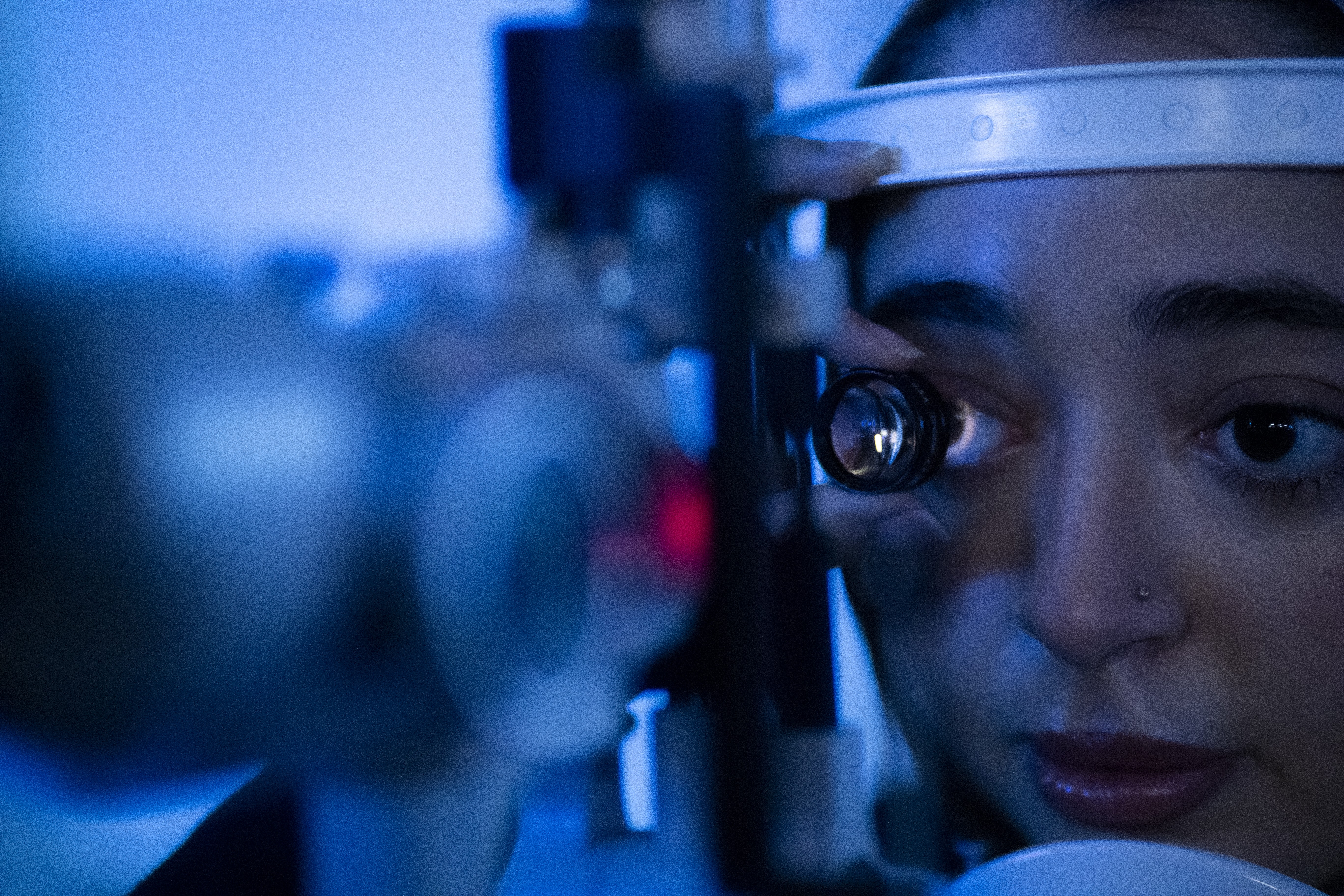 Students have a hybrid experience; they practice on real patients from the start at The Eye Institute (TEI), PCO’s clinical facility originally established in 1978. Serving more than 37,800 patients annually in the community, TEI contains multiple specialty departments, including Low Vision Services, Glaucoma, Neuro-Ophthalmic Diseases, Pediatrics and Binocular Vision, and more. Doctor of Optometry students gain early hands-on experience in skills needed to provide eye examinations and treat vision conditions, eye diseases and injuries, all under the supervision of licensed optometrists.
(4) Diverse Residency Opportunities:
PCO has long been a leader in specialized optometric education. In 1983, it became the first college of optometry to offer a graduate degree in Blindness and Low Vision Studies. Today, students can pursue diverse on-campus residencies that cover specialized areas like Glaucoma, Retina, Pediatric Optometry, Neuro-Ophthalmic Disease, and Low Vision Rehabilitation, giving graduates an edge in advanced clinical training. The Feinbloom Low Vision Rehabilitation Center continues this legacy as well by providing comprehensive services to patients with vision impairments and advanced clinical training to students.
(5) Global Impact:
For decades, PCO has been delivering and advancing optometry education worldwide, improving practice standards, advancing legislation, and promoting optometry as a primary health care profession.