Current Student News
General News
Orthotics & Prosthetics
Defending a doctoral dissertation is a high-pressure situation and Julie Quinlan, PhD ‘26, MPO, MS, CPO, ATC, FAAOP, said that receiving overwhelming support from the Orthotics and Prosthetics (O&P) faculty, students, and the Drexel community at large eased the stress.
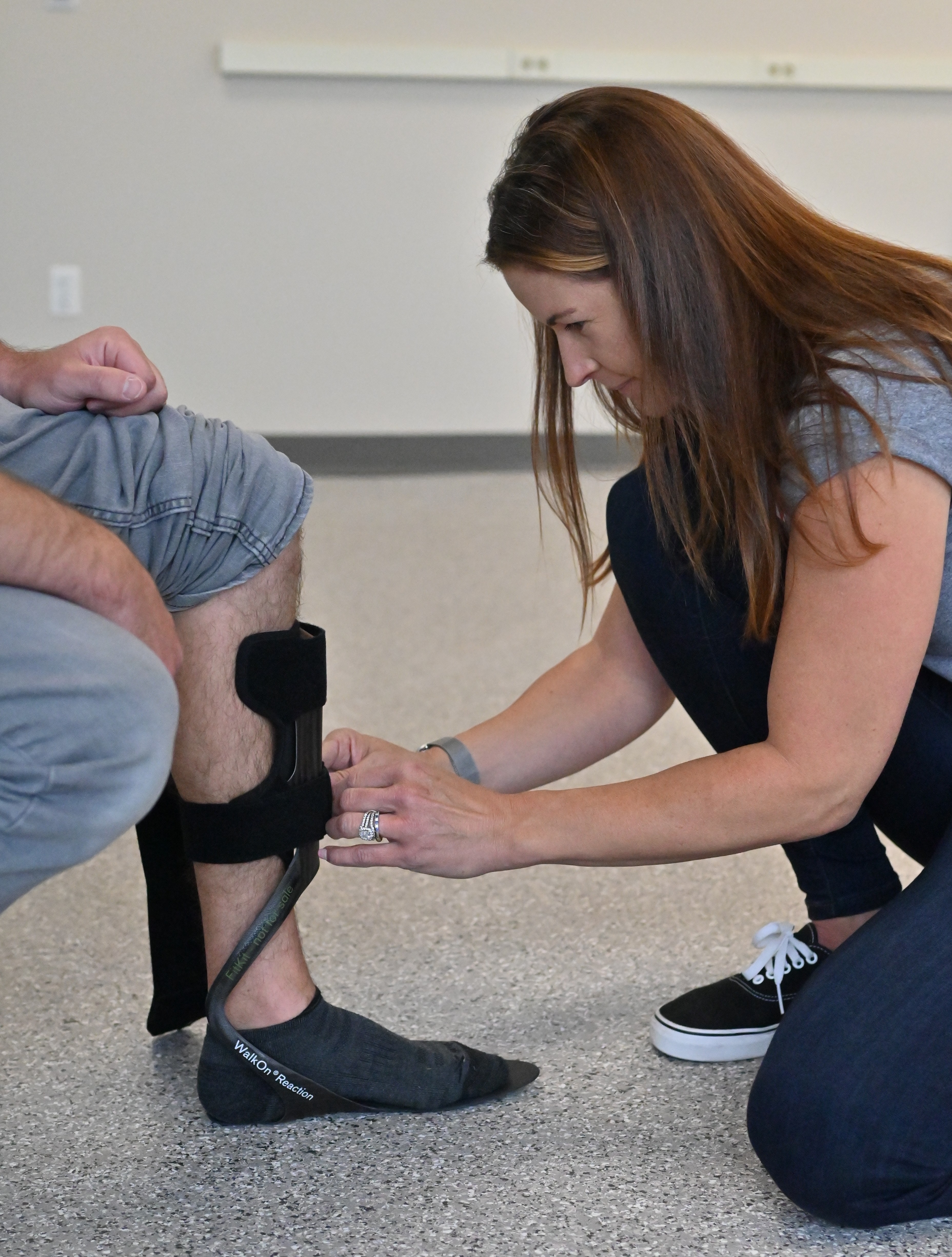
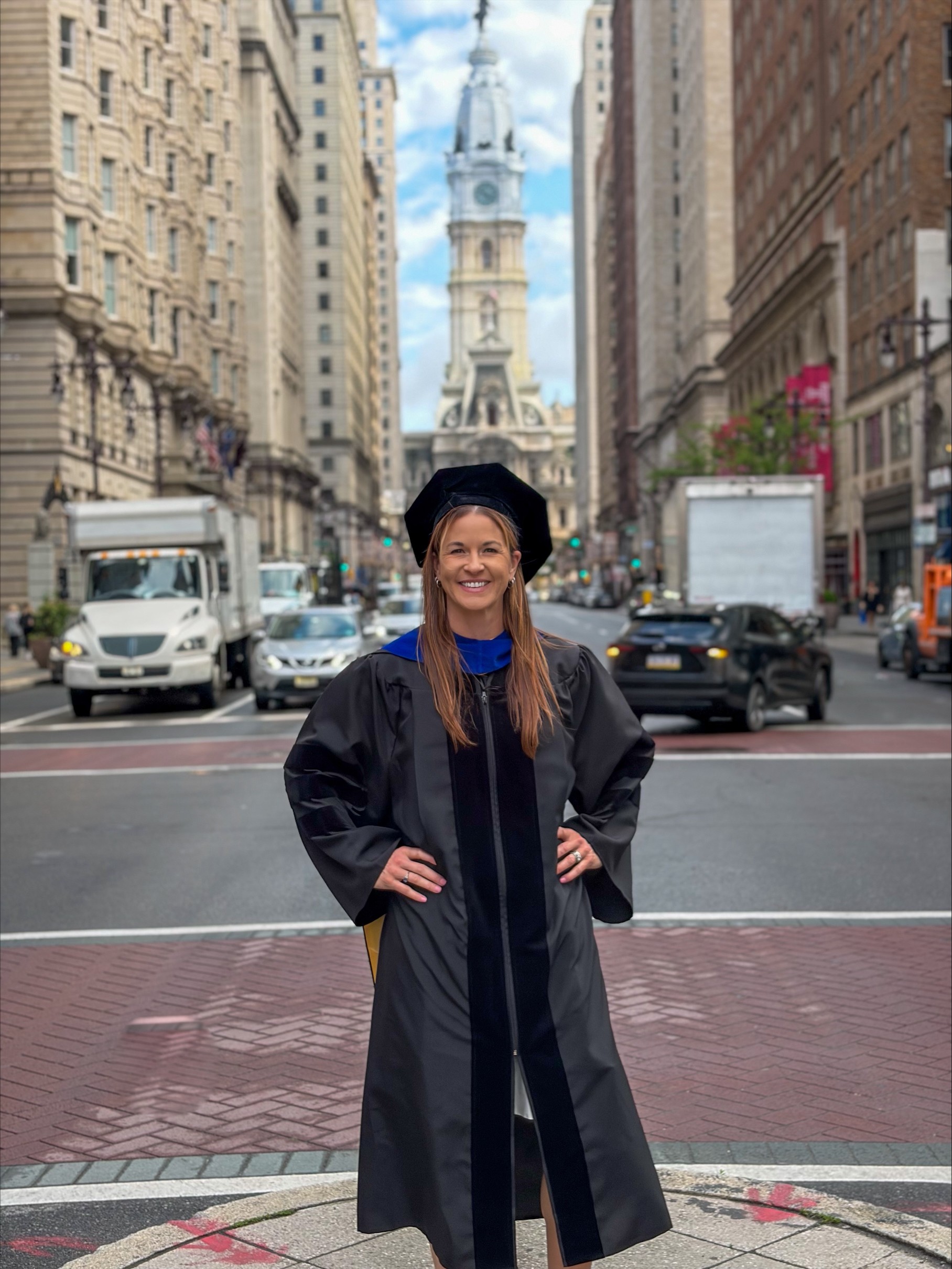 But Dr. Quinlan achieved it recently, with flying colors, to become the first faculty member of the O&P department in the College of Nursing and Health Professions (CNHP) on Drexel University’s Elkins Park campus to earn her doctorate since the inception of the program in the fall of 2022 under what was formerly Salus University.
She said she decided to pursue her PhD because it was an opportunity to grow as an educator and clinician and become more well-rounded. Dr. Quinlan added that what made the experience even more beneficial was the interprofessional nature of the program.
“My cohort included individuals from disciplines including Optometry, Audiology and Occupational Therapy,” she said. “This created a really unique way to experience how different professions approach outcomes and problem-solve in patient care. I wouldn’t have experienced this in a more siloed program.”
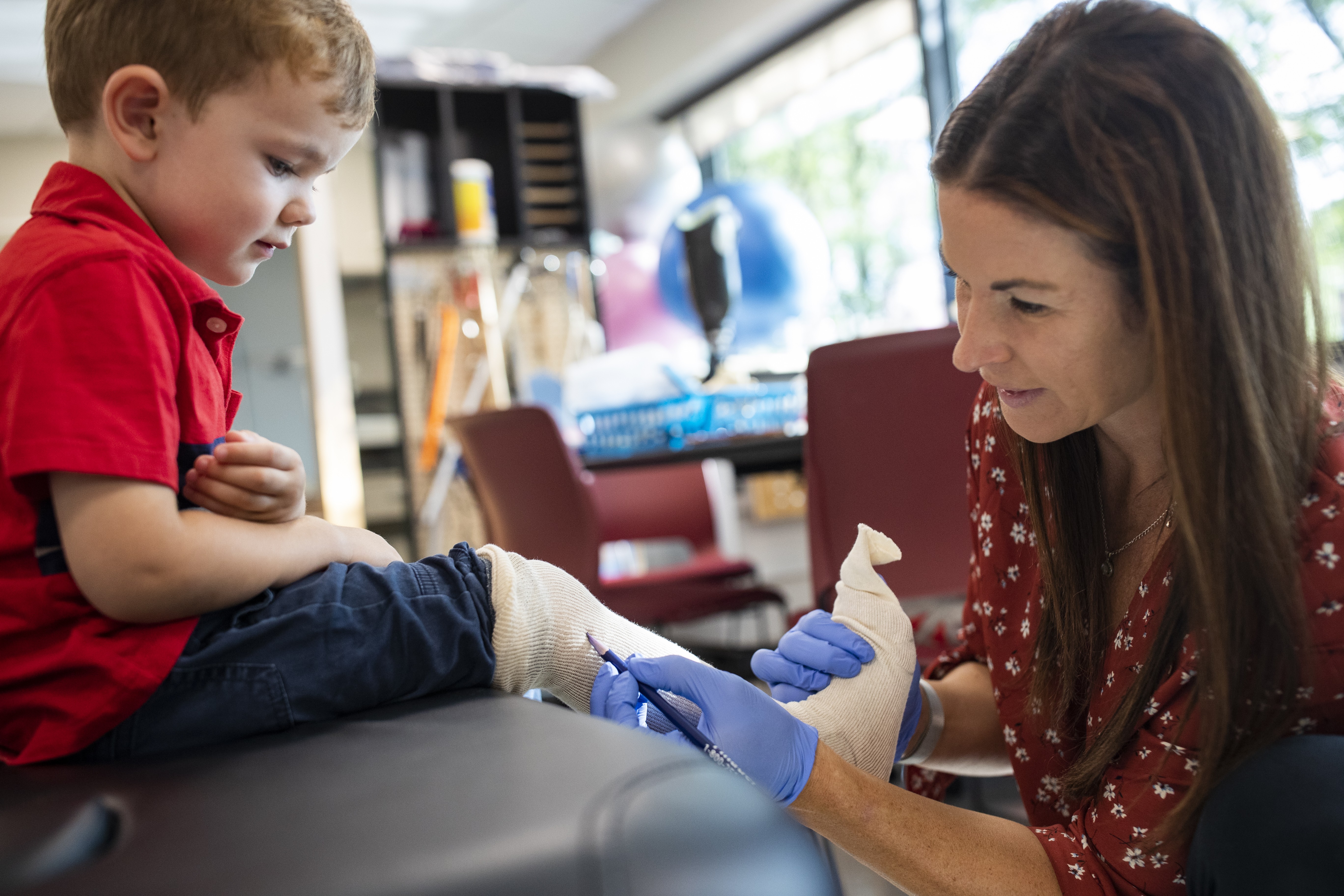
 Dr. Quinlan’s dissertation is titled “Lived Experiences of Parents and Caregivers of Children with Infantile Torticollis: A Phenomenological Study.” She chose this topic, she said, because it bridges clinical care with the human experience, something that is important in all healthcare professions.
The study explored how caregivers experience diagnosis, treatment, and daily management. Key findings highlighted that caregiving is a dynamic and evolving process shaped by emotional responses, communication with providers, and the ability to integrate therapy into everyday life. It reinforced the importance of clear, empathetic communication and realistic, family-centered care approaches.
“What made this program truly meaningful was the faculty and my cohort,” said Dr. Quinlan. She added, “The faculty challenged us to think critically to develop our research skills within a positive learning environment. This created an experience that felt collaborative rather than competitive. We genuinely want to see each other succeed.”