
General News
Current Student News
Orthotics & Prosthetics
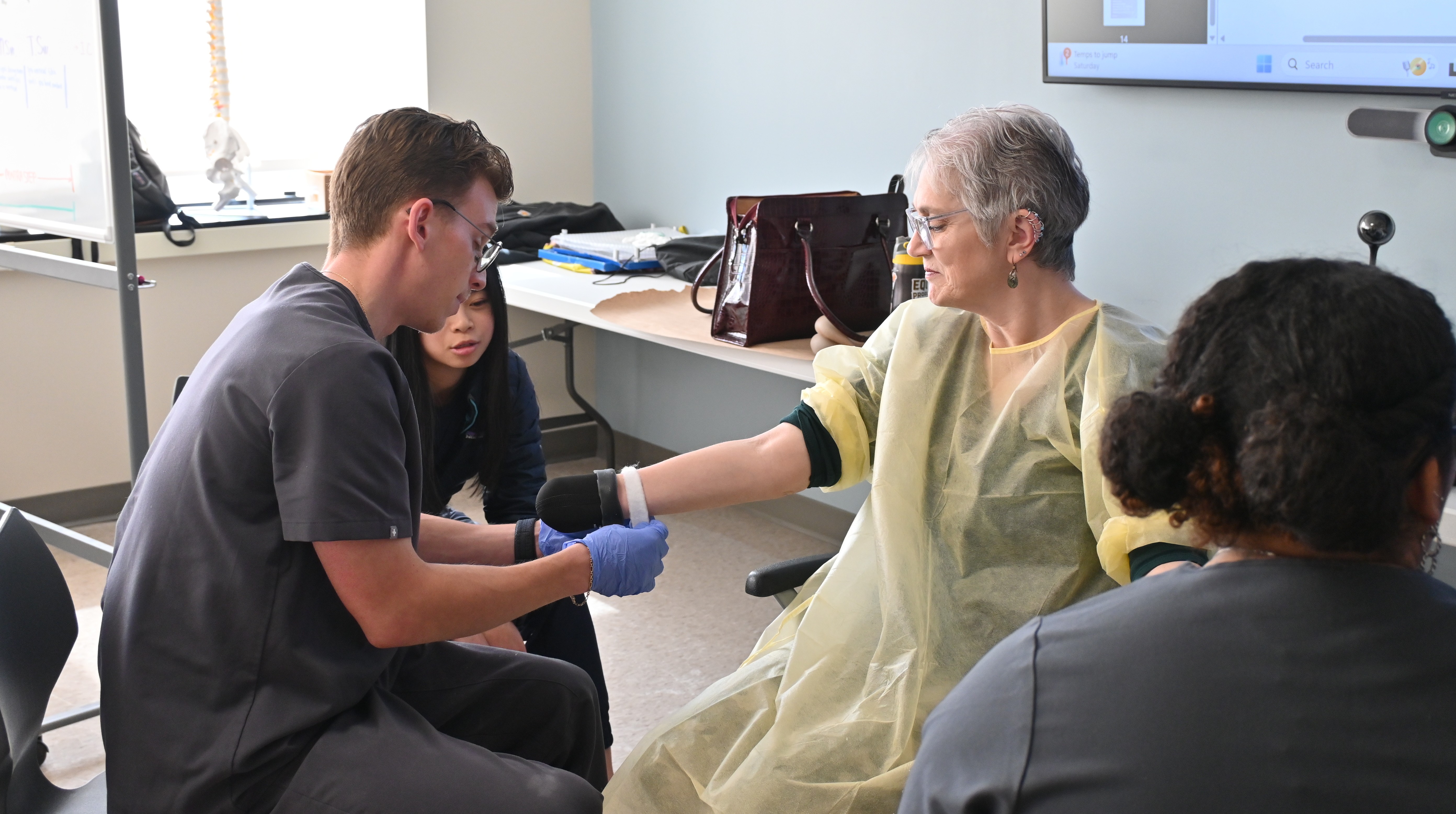
The Orthotics and Prosthetics (O&P) program in the College of Nursing and Health Professions (CNHP) on Drexel University’s Elkins Park Campus is committed to creating an environment of belonging, well-being and respect while challenging O&P students to seek excellence through interprofessional education and evidence-based research and practice.
The curriculum of the O&P program is constructed from a holistic perspective and a commitment to developing future generations of O&P professionals. This perspective will allow students to be self-reflective, lifelong learners who understand power imbalances and personal accountability while learning and growing in a respectful atmosphere.
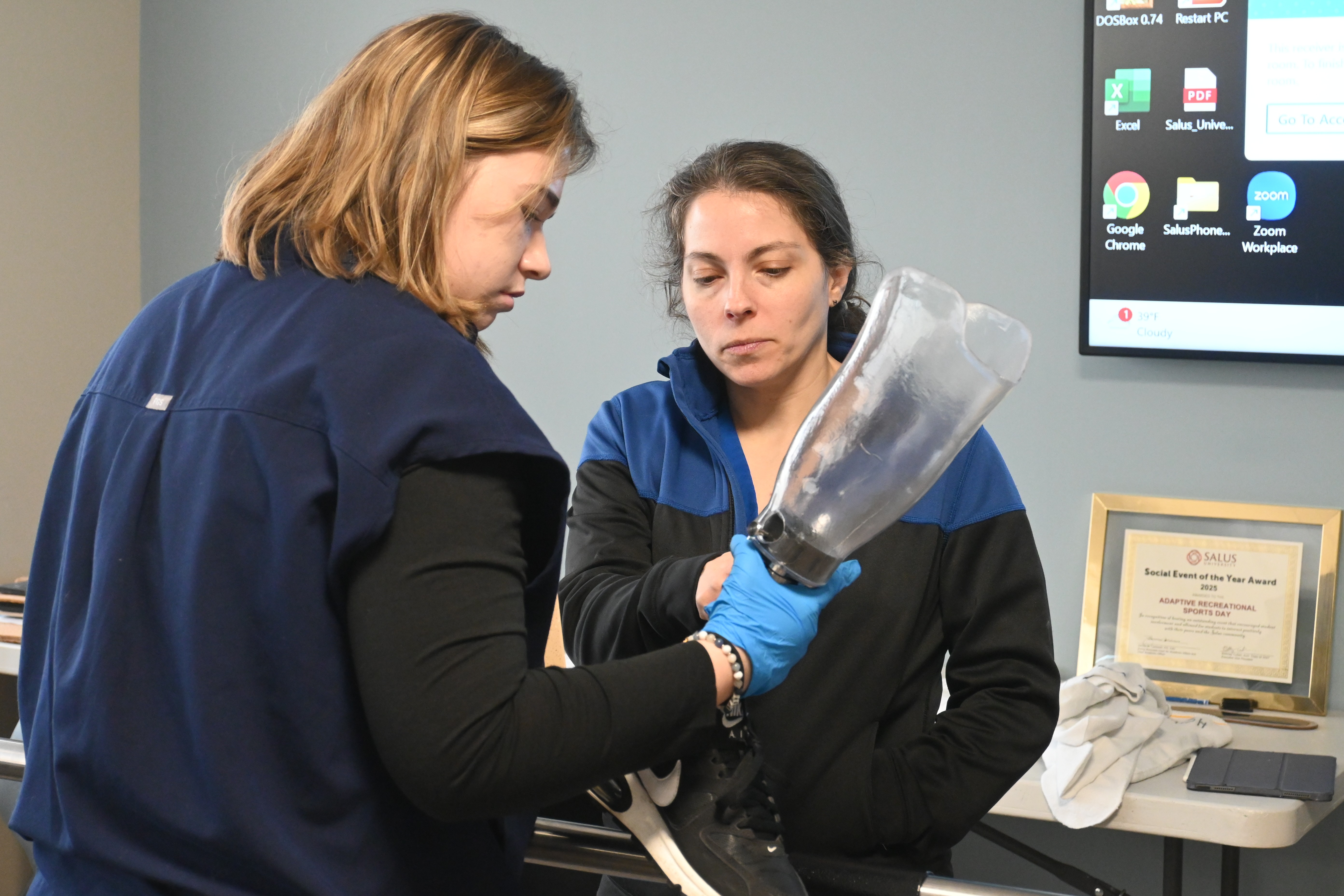 "I knew this program was the right fit for me when I saw its strong emphasis on fostering technical skills and facilitating positive patient interactions,” said Justin Hornung ‘27O&P. “Alongside this, the dedication and passion shown by the professors created an environment where I felt both supported and challenged as a student developing my clinical abilities.”
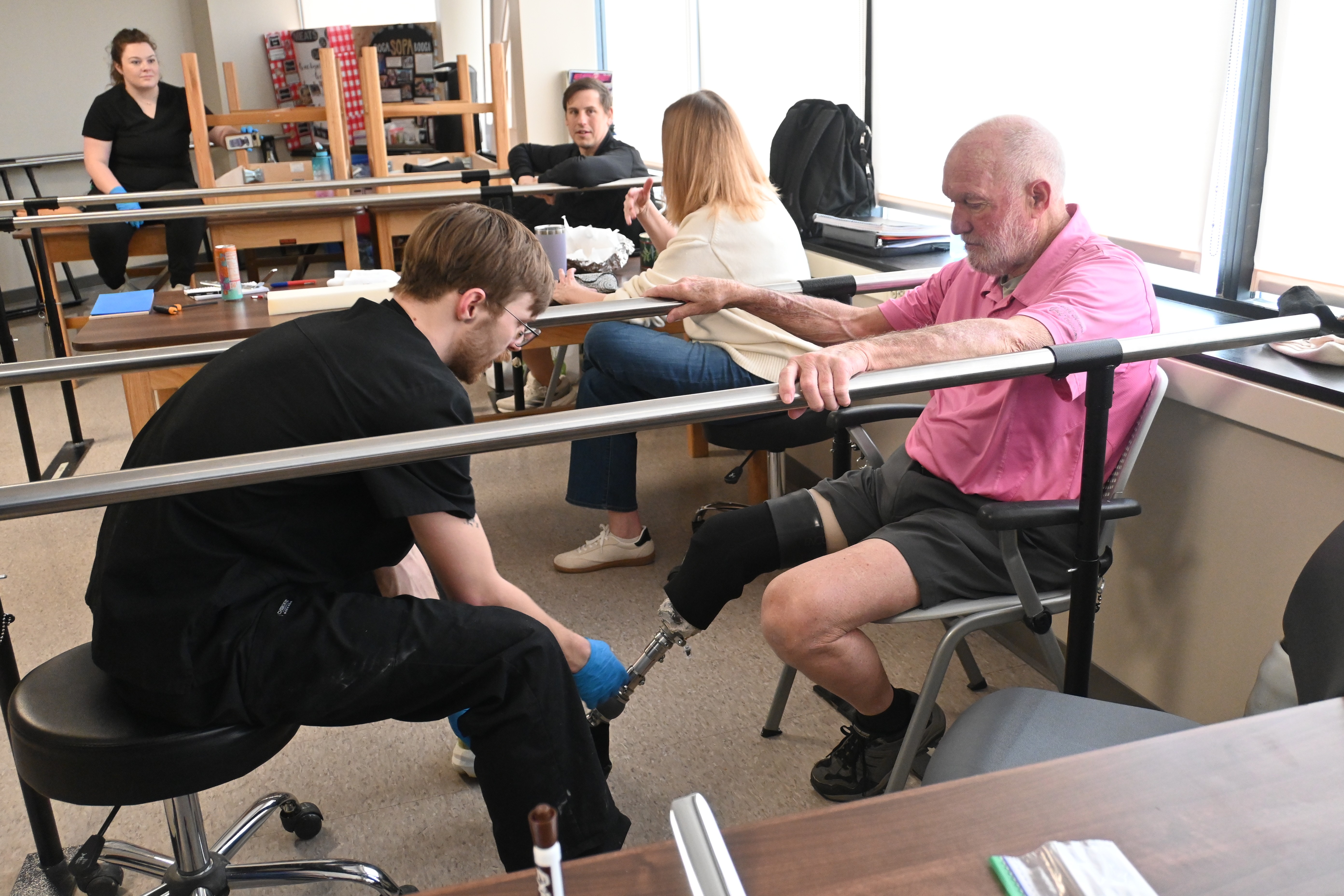
The O&P program consists of two developmental phases. The first phase examines several aspects of what it takes to be an orthotist and prosthetist, focusing on building the foundational knowledge, technical skills, and clinical abilities of an O&P professional.
The second developmental phase, unique to the Drexel program’s curriculum, focuses on an integrated 18-month clinical residency. Students are immersed in O&P clinical practice and research. Upon successful completion of the integrated clinical residency and coursework, graduates will be eligible to sit for the American Board for Certification in Orthotics, Prosthetics & Pedorthics (ABC) Exams in both Orthotic and Prosthetic Disciplines.
Not all graduate O&P programs include an integrated residency, which sets the Drexel program apart. Many other programs require students, upon graduation, to find a residency on their own. Residency bridges the gap between classroom learning and real-world clinical practice daily. Within didactic coursework, students may perform exceptionally or struggle with assignments, receive feedback, and then move on. In contrast, residency demands consistent performance and does not accommodate mediocrity.
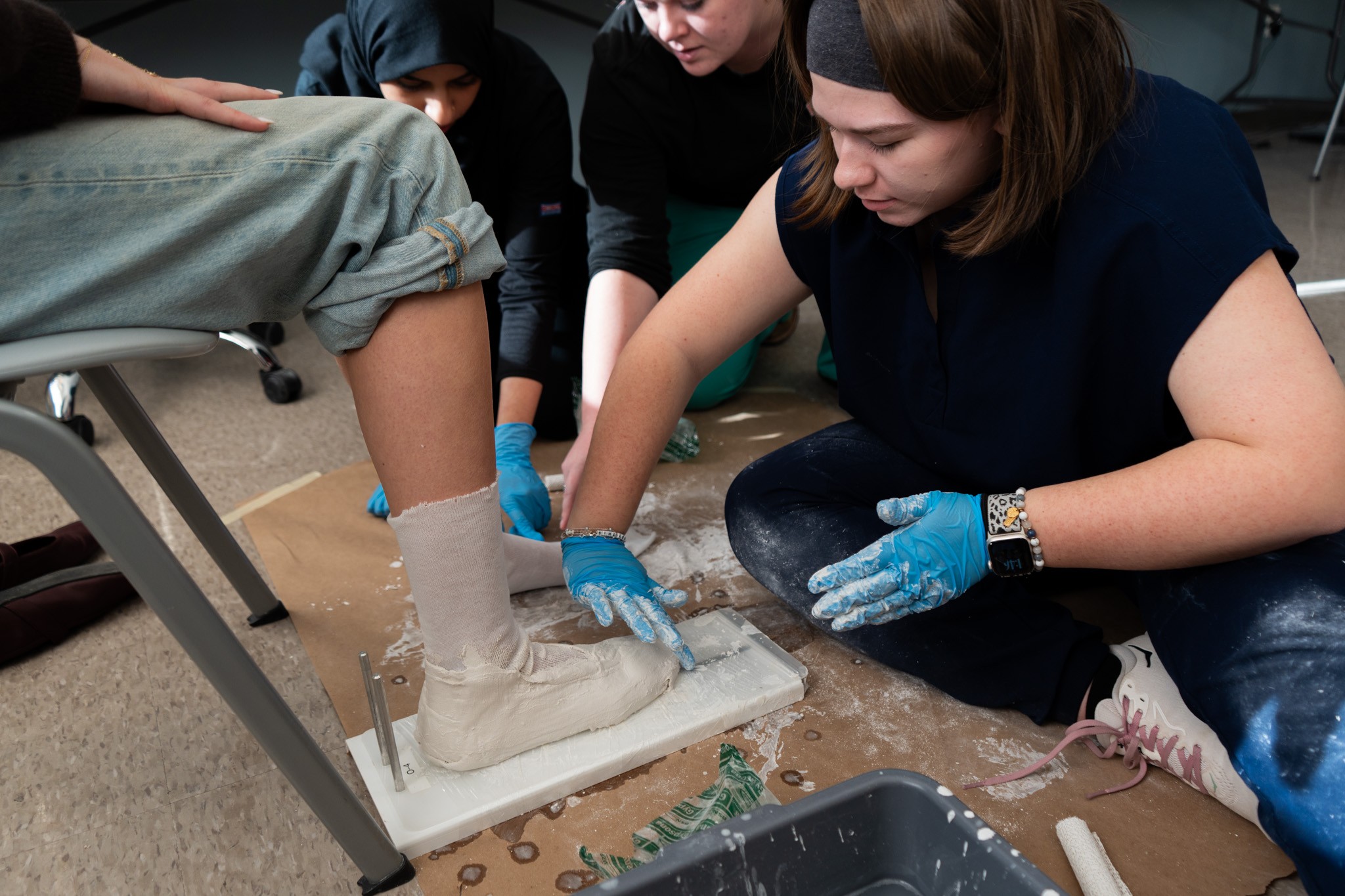 Residents are actively involved in patient care under the supervision of clinical mentors, ensuring each patient receives high-quality, attentive care. It is this ongoing, hands-on experience that truly solidifies and integrates clinical knowledge. Another benefit they have a direct link to a faculty mentor throughout their residency.
“Students will have three, six-month rotations or two, nine-month rotations that are specific to the profession. The format is extremely beneficial to students because it keeps them with a mentor longer, and that really gauges developmental progress,” said J. Chad Duncan, PhD, CRC, CPO, program director. “From a developmental perspective, when a student is experiencing challenges, access to faculty and extended engagement with an employer allows for more effective remediation. Alternatively, if the placement proves to be an unsuitable fit, we are able to facilitate a smooth transition to a different opportunity.”