General News
Current Student News
Orthotics & Prosthetics
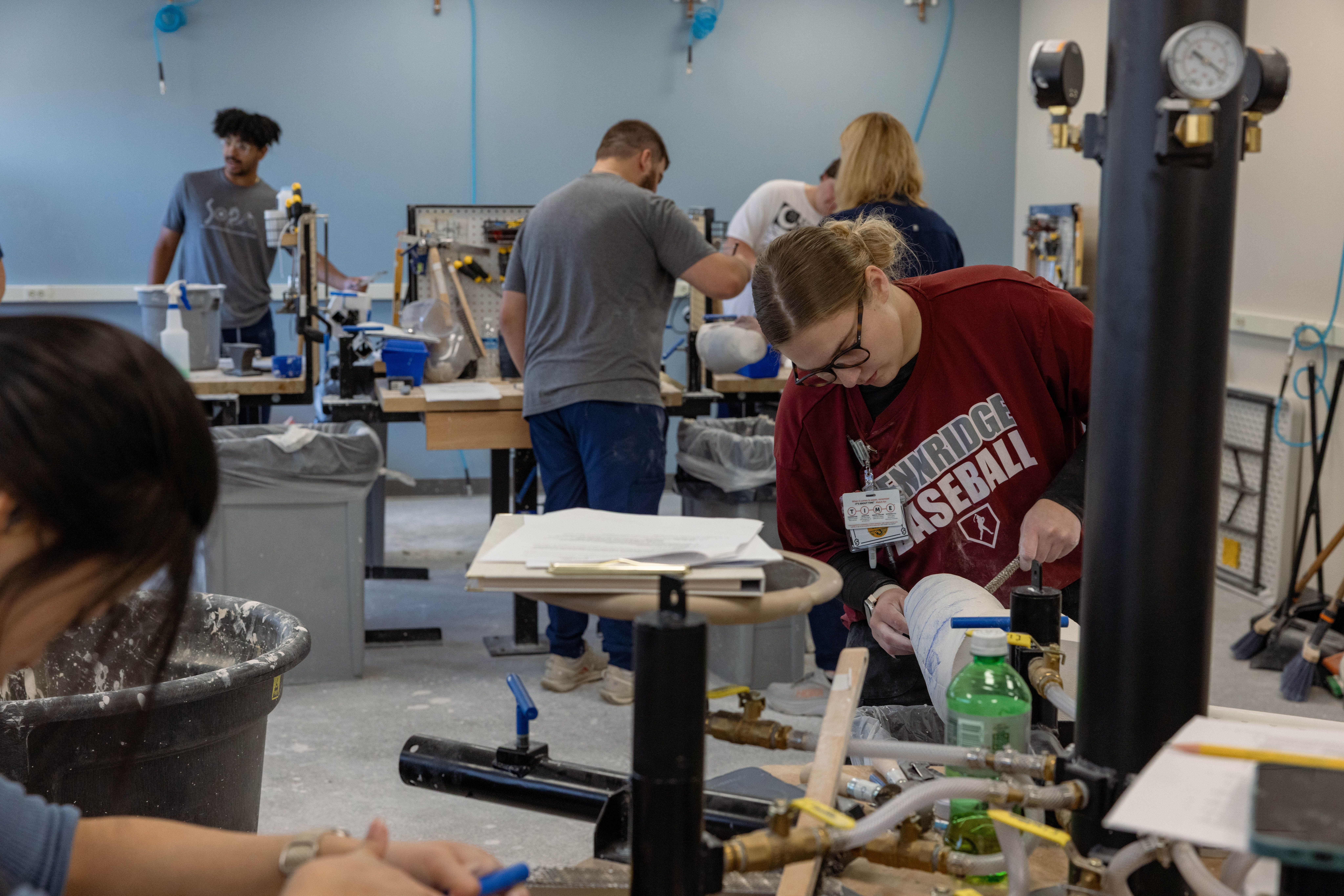
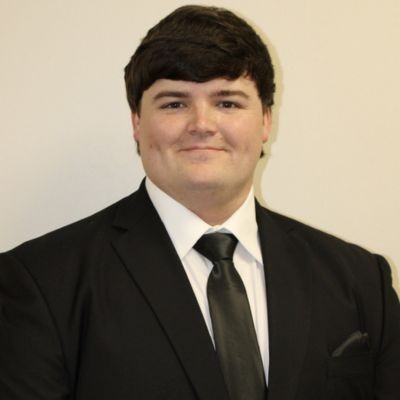
Morgan Semko ‘27O&P is a second-year student in the Orthotics and Prosthetics (O&P) program at Drexel University’s Elkins Park Campus. In this question-and-answer session, she explains her decision to pursue the O&P profession, why she specifically chose the Drexel O&P program and how it is preparing her for her future career in the profession.
Q: What inspired you to pursue a career in Orthotics and Prosthetics?
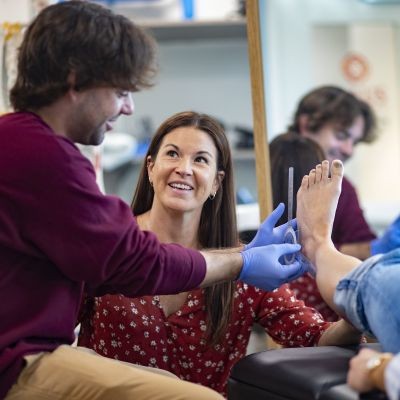
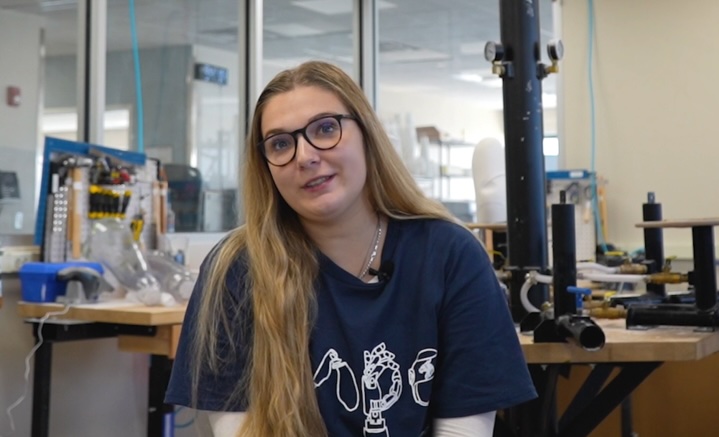 A: My passion for orthotics and prosthetics came kind of late in my undergraduate degree. I was already pursuing a degree in biomedical engineering. And, then in 2020, I had a, what's a good word, I guess a pretty big medical scare. I ended up actually having to have four of my toes partially amputated. From 2020 to 2024, I was having wound care appointments and surgeries and things like that. And, just being able to see the impact that losing something as small as part of a toe can have on what used to be your normal. I then had a passion to want to help other people who have been through either similar situations, but generally on a much larger scale, because it's a whole limb.
Q: Why specifically did you choose the Drexel O&P program?
A: I chose Drexel partly because of the integrated residency, but then also just from my interview (faculty member) Julie Quinlan, it just felt so comfortable. It didn't feel like an interview. And, to me, that gave a level of assurance that if in an interview where I just met somebody can feel like this, then what can 16 months of learning do? So from there, I visited the campus, and I toured with program director, Dr. Chad Duncan. He even brought in some former students from the first cohort, and I was able to meet them. Just getting to see the space and then having that community feel right off the bat was the reason I chose this program.
I chose this program so I could help people who have faced challenges and been through a similar situation to my own. Along with that, I also chose it because I am determined I'm going to develop prosthetic toes. They're not a thing yet.
Q: How does the program align with your long-term goals of helping others?
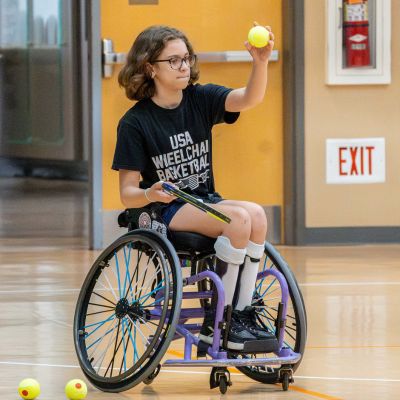
A: I think this program really does provide us with so many opportunities, both in the classroom and outside of the classroom to be able to just help people and to see that joy from them. We've done a lot of volunteering opportunities with Special Olympics or with new prosthetic users, helping them learn how to use their limbs, whether it be walking or running, like mobility clinics. Just getting to see the joy on people's face when they're able to do something that they couldn't previously do because of the amputation has been the most rewarding experience.
Q: Describe a favorite project or memorable interaction.
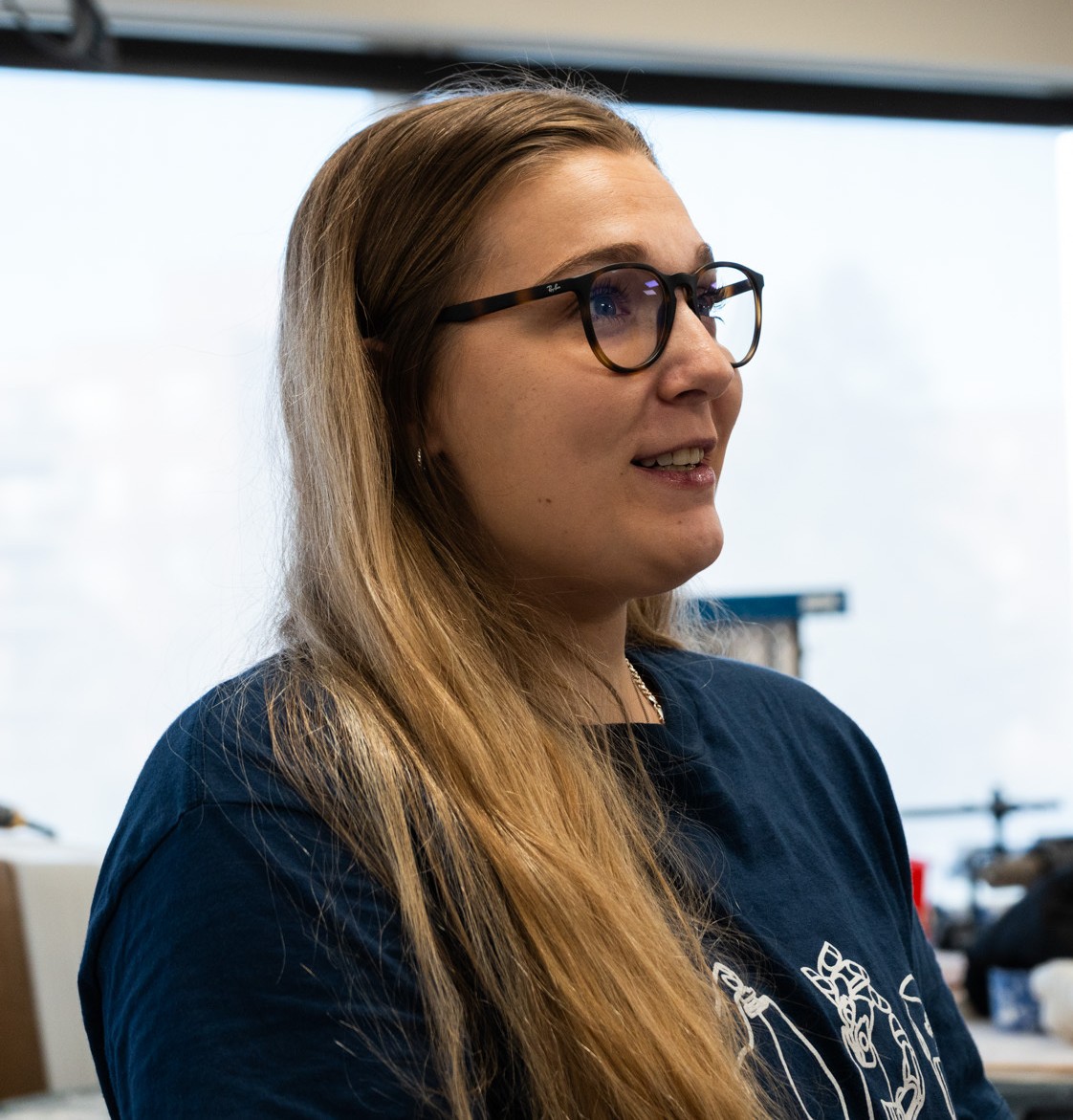 A: I would say my most memorable interaction was with one of our upper and lower limb prosthetic patient models. We have a very similar story in terms of the hospitalization and amputation and things like that. Having somebody that I could not only sympathize with but also empathize with was really, really cool. And, I've actually been in contact with her and she's reached out to me about peer mentoring some new amputees that have a similar story as mine. Just being able to find people who have gone through situations like you and form a connection and then being able to help them has been the most memorable thing so far.
Q: How have your O&P peers supported you?
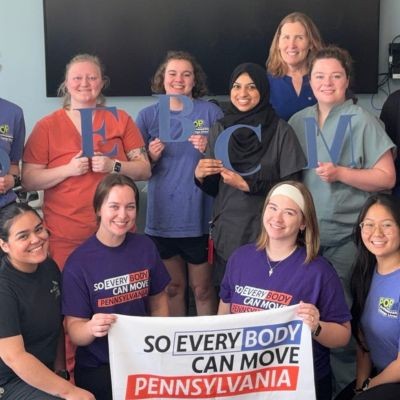
A: Oh my gosh. We are a family, to say the least. We do everything together. We're always doing everything together, but we're constantly supporting each other. We're always together, whether it be in the classroom or even outside of class, we like to do stuff (extracurricular activities) together as well. I just really feel like I found my group of people when I came here and the professors as well, they don't even really see you as a student. They see you as a soon to be professional in the same career as them, and they treat you with that level of respect, which to me was another big key aspect.
Q: In one word, how would you describe the overall impact this program has had on your life?
A: I would say life-changing.
Q: And, how has this program prepared you for the boards and success as a future practitioner?
A: After our residencies, we do come back and we have a full board prep session for a week. So everybody here really is preparing you for success. They're not trying to weed out who can make it.