Current Student News
General News
Orthotics & Prosthetics
In May 2025, Allison Levitt’s 13-year-old daughter Anna visited the Children’s Hospital of Philadelphia (CHOP) Orthopedics Department for x-rays and an exam after a school nurse identified a noticeable curve in her spine.
The diagnosis: Anna had adolescent idiopathic scoliosis, a condition where the spine curves sideways and rotates. It typically appears in adolescents between the ages of 10 and 18 and there is no known cure.
 After a discussion with the orthopedist about Anna’s footwear and treatment options, it was agreed she would try a shoe lift in one sneaker, with a follow-up in six months of wearing the orthotic. Adding the shoe lift brought her back to an even height and therefore decreased the likelihood of spine curvature progression.
Allison Levitt is assistant registrar and data systems specialist on the Elkins Park campus of Drexel University and is well aware of the Orthotics and Prosthetics (O&P) program. Levitt contacted Julie Quinlan, MPO, MS, CPO, ATC, FAAOP, associate director of the O&P program, seeking a referral to an orthotist who could make a custom shoe insert for Anna.
Quinlan told Levitt the current cohort of O&P students had just started its Lower Limb Orthotics course and invited Levitt and her daughter to be patient models.
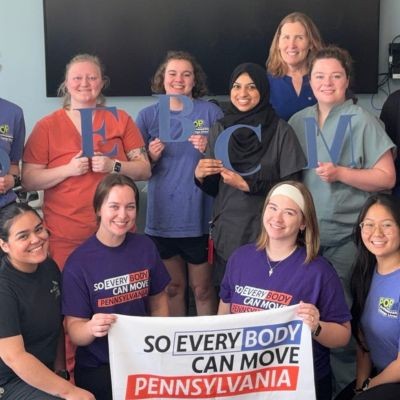
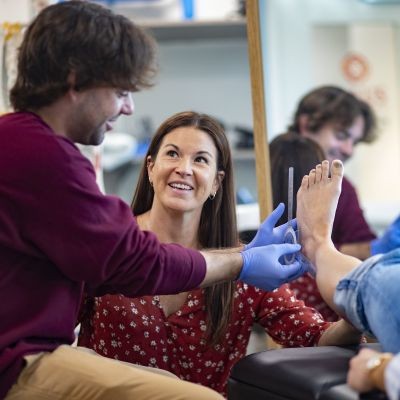
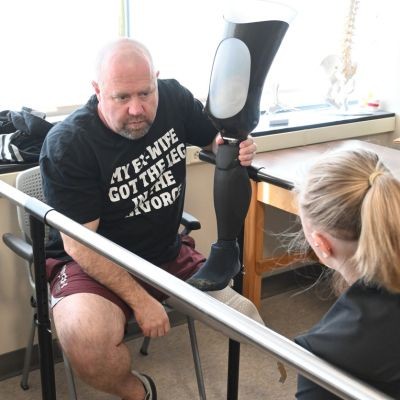
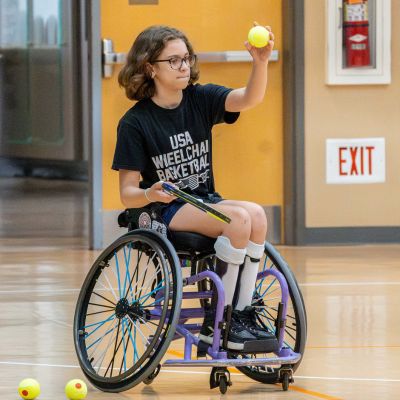
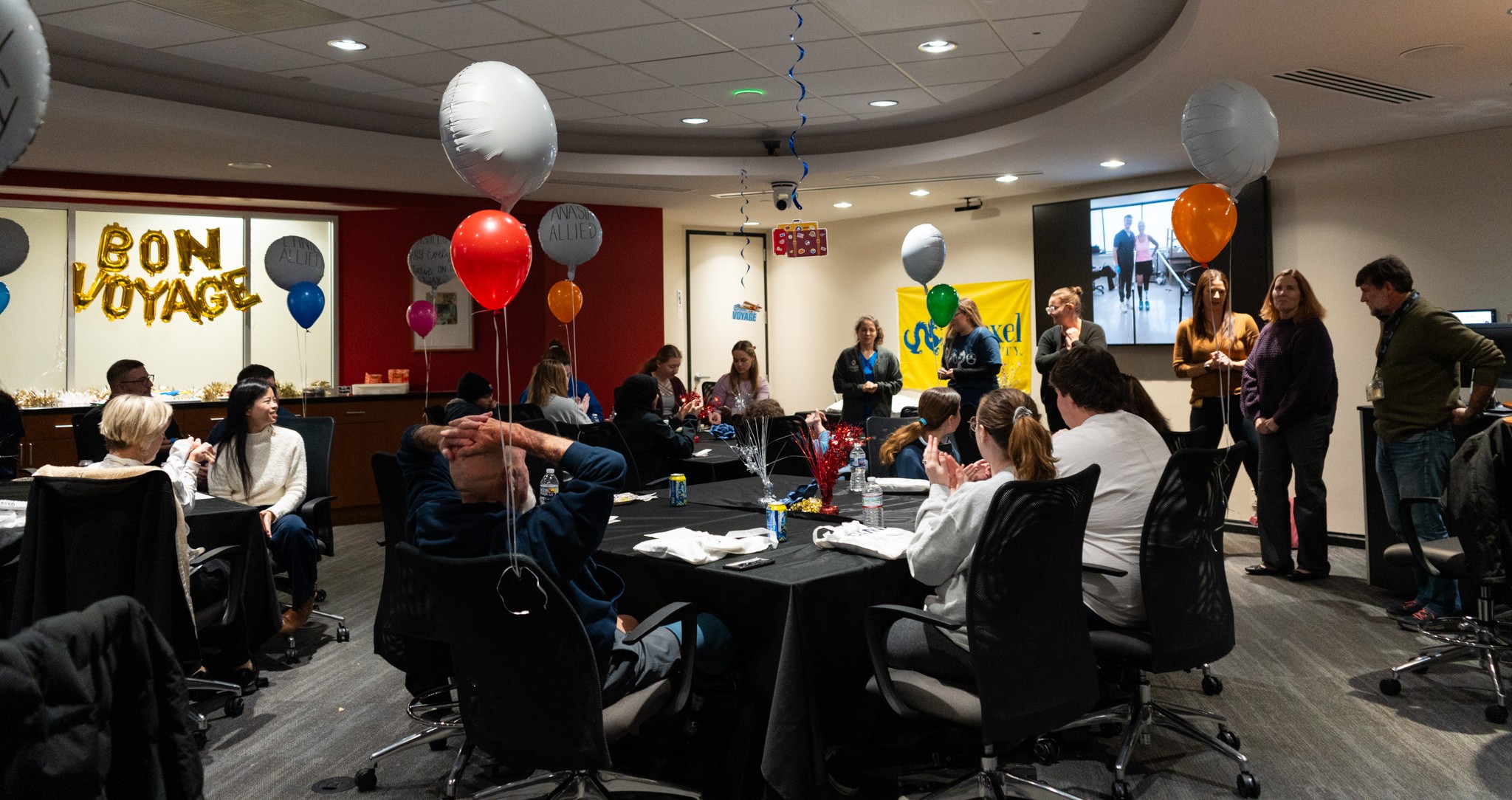
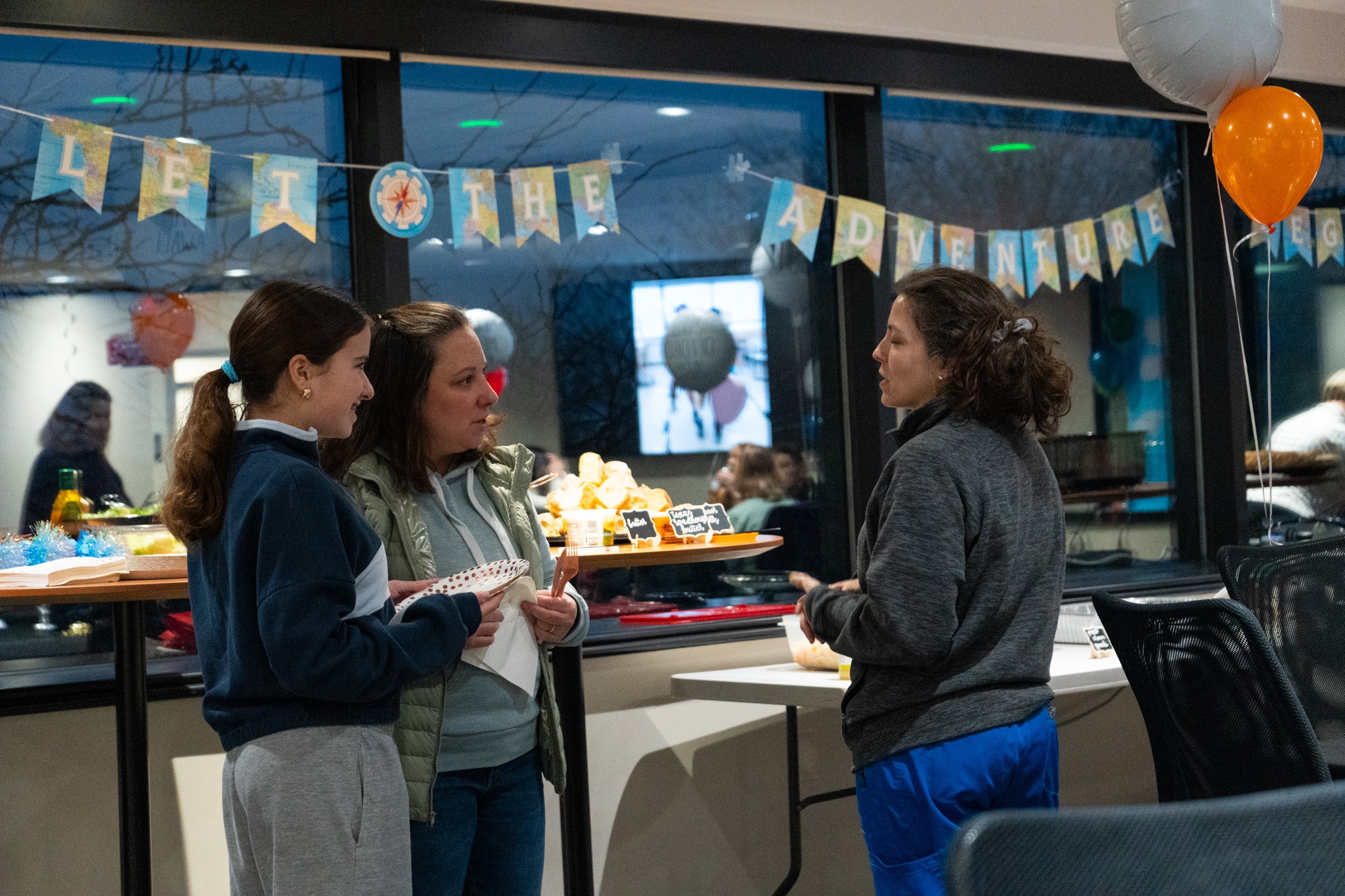
They were just two of the patient models who attended the recent patient model appreciation event held by the O&P Department, an opportunity to recognize the patient models who help provide real world experiences to the students along their educational path. The O&P program utilizes 28 patient models in various aspects of the program and profession.
 The theme of this year’s appreciation party was “Let The Adventure Begin,” from the 2009 film “Up,” as a final farewell to the patient models as students left campus for their residencies.
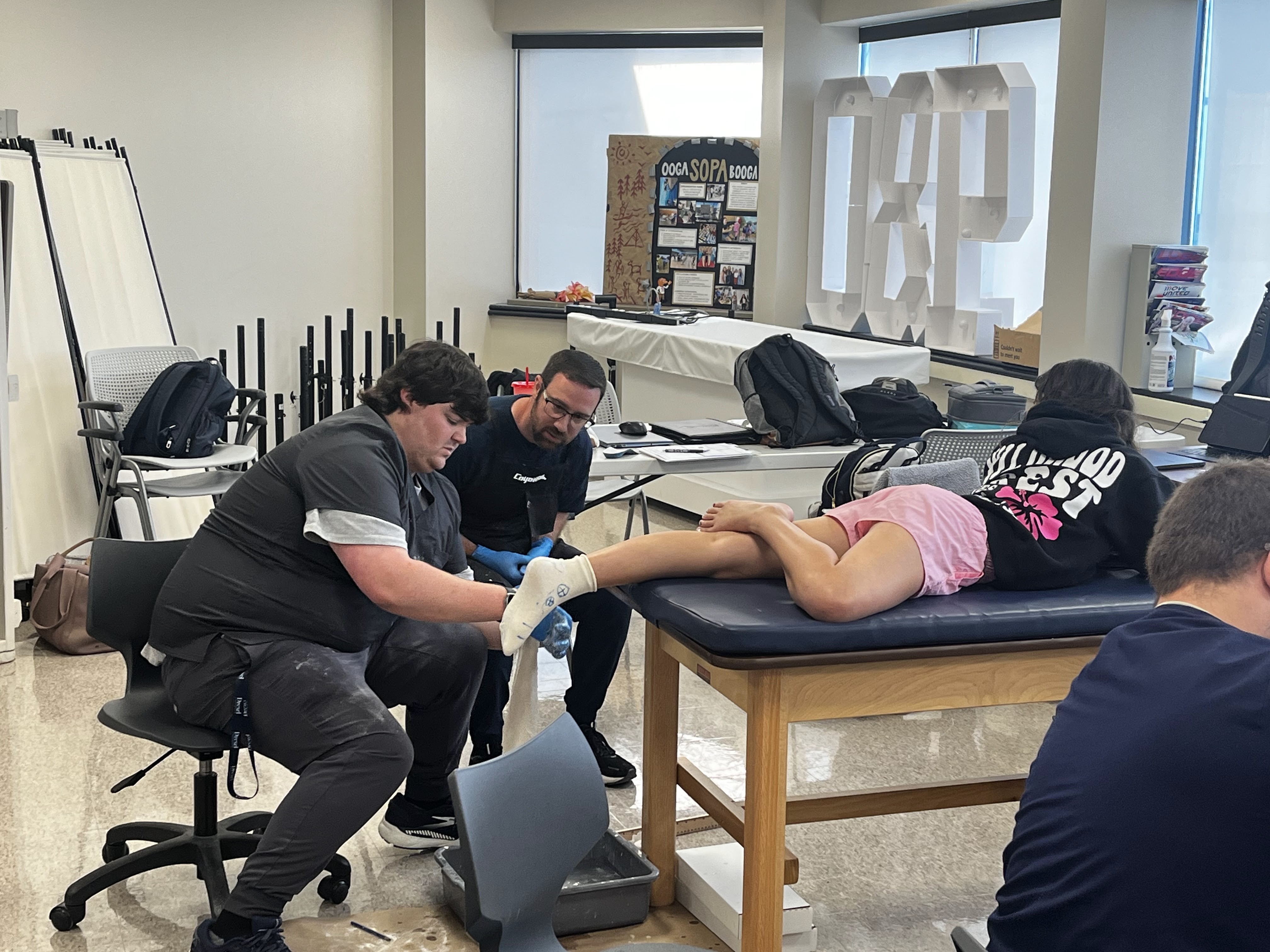
“Working with the patient models in class is the most important experience for us,” said Leah Abraham ‘27O&P, who along with classmate and best friend Morgan Semko ‘27O&P planned the appreciation party.
"We're given the opportunity to learn all aspects of the patient encounter - how to measure, cast, check overall fit, and most importantly how to build patient rapport.”
Abraham added that being able to “learn your orthotic eye, learn your prosthetic eye” and interacting with the patients is a huge help to the students.
“Our patient models are so in love with this program,” said Abraham. “They love seeing the processes and the new student clinicians, watching us slowly work through things and learn throughout our time here. They can see us implementing the things we’ve learned and they can see our growth as clinicians.”
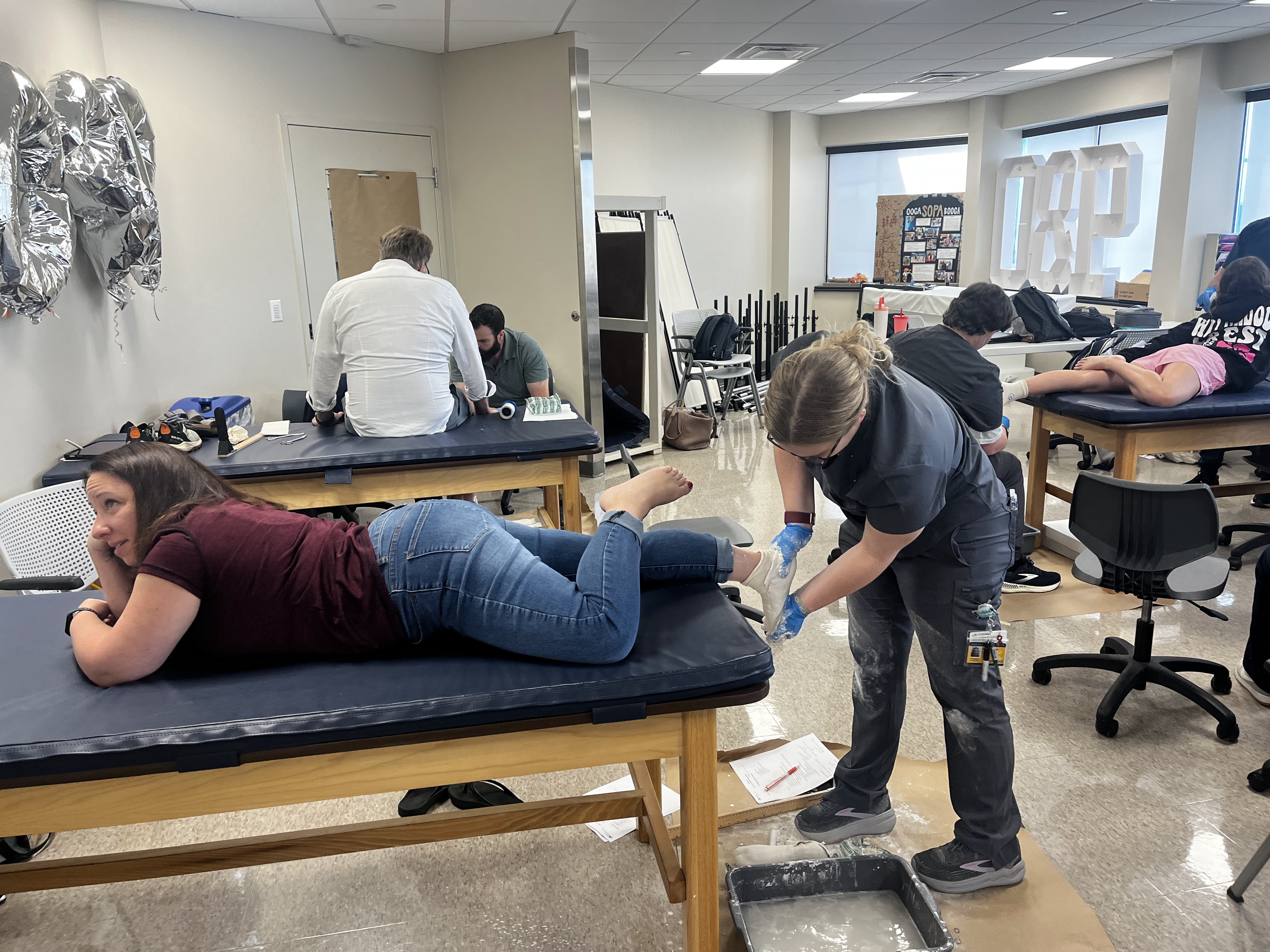 Semko agreed that the patient models are vital to the program. Without them, she said, the students would only get a textbook overview of the program rather than real hands-on experience working with patients.
“The way they react energizes us. Even though it’s oftentimes our first project, it motivates us to make the best product that we can so that they are satisfied,” said Semko. “They’re volunteering and contributing their time to us, so to be able to let them see something new or to put something on them that they wouldn’t necessarily get to test in the clinic, they’re always just as excited as we are when that happens.”
Levitt said it’s evident the students draw inspiration and positive energy from the patient models.
“When people think of orthotics and prosthetics, they tend to just think of the tangible components,” said Levitt. “But there is certainly an intangible aspect far more valuable than the brace/insert/arm/leg they are fabricating and fitting. It is the positive impact on people’s ability to live, function, and experience a desired quality of life.”
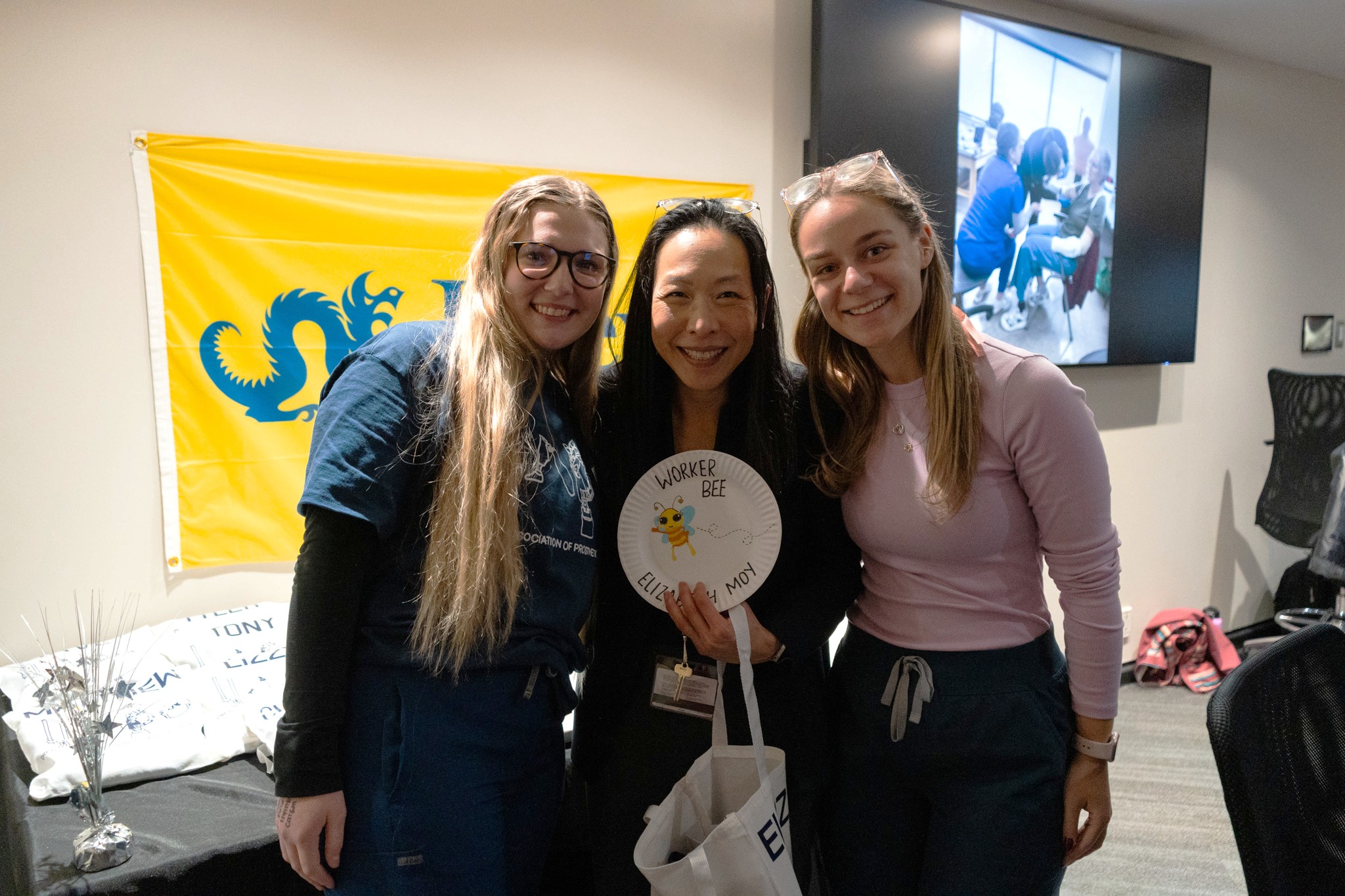 The patient model appreciation event aims to highlight the individuals who have made the Drexel O&P future clinicians who they are. This event is hosted every fall semester by the eldest cohort on campus before they each depart for their respective residencies. This event is open to all individuals who volunteered as a patient model throughout the 16 months that the students have been on campus. Each patient is given a gift from the cohort to express their gratitude for the patient's time and contribution to the students' learning. This year's gift was a bag with the patient’s name and the Drexel Association of Prosthetics and Orthotics (DAPO) logo with the following contents inside:
Also at this year’s event, the cohort distributed the paper plate awards, where they celebrated special attributes about each of the patient models. Allison and Anna Levitt were awarded the Lorelai and Rory Award for being the ultimate mother and daughter power duo.
Overall, this event is a way for the students to honor and celebrate those who have contributed not only their time but also their stories and personal experiences with them.
“Without the patient models, we would not be half of the clinician that we are going into residency,” said Semko.