Optometry
Drexel
General News
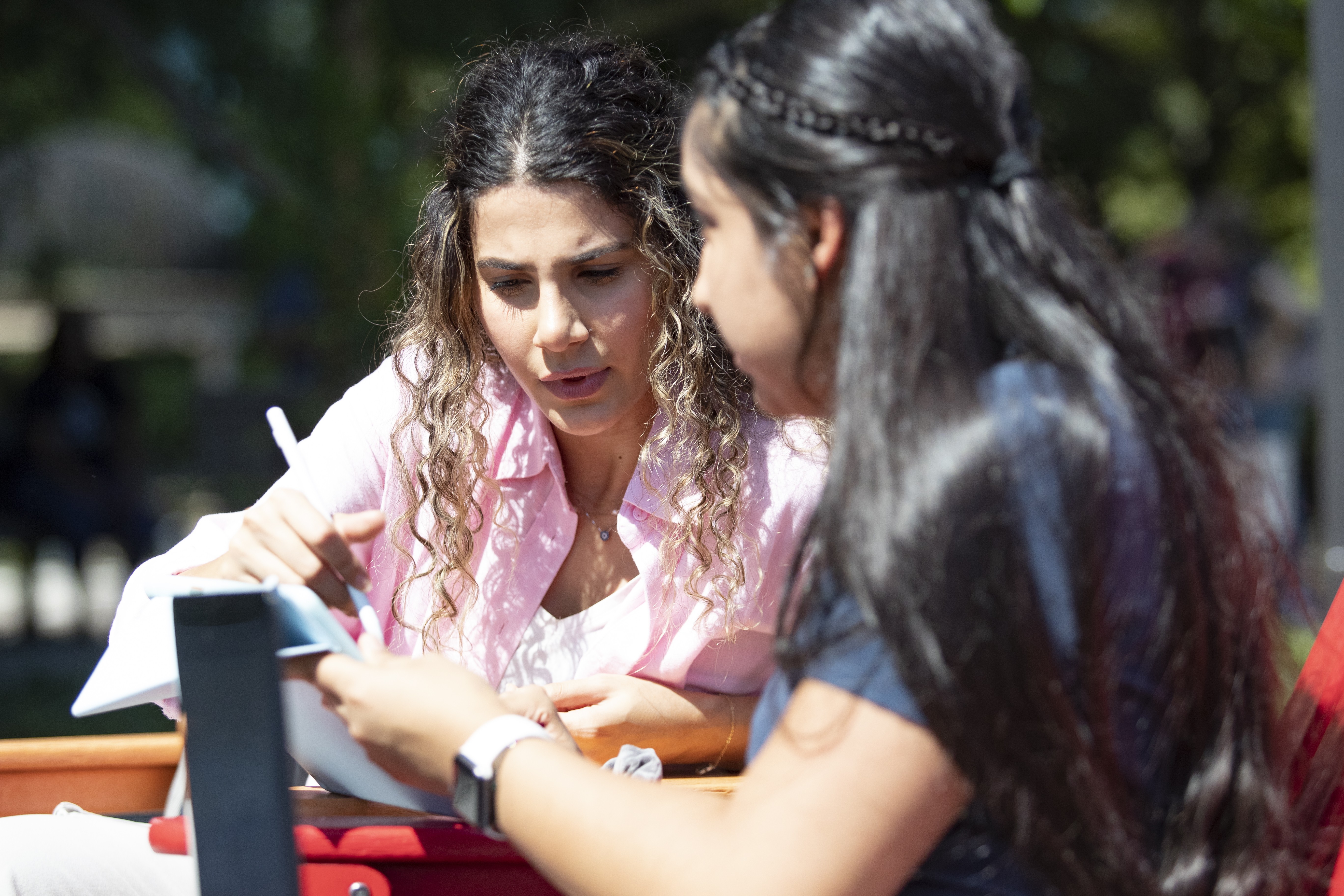
The National Board of Examiners in Optometry (NBEO) exam is a series of comprehensive, high-stakes assessments required for optometric licensure in the United States. These exams ensure entry-level competence in optometry by testing cognitive, psychomotor, and clinical skills.
At the Pennsylvania College of Optometry (PCO) at Drexel University, faculty and staff continue to strengthen students’ NBEO preparation through expanded mock exams and more intentional coaching around test-taking strategy and readiness.
According to recent Doctor of Optometry graduate, Madison Edwards, OD ‘26, she felt well prepared going into the process.
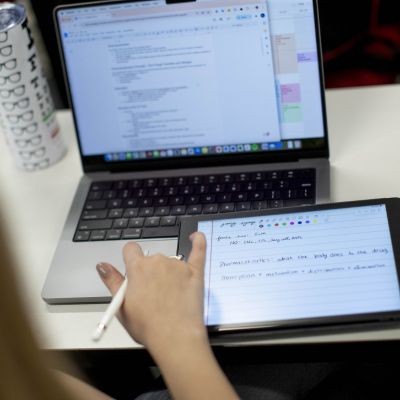
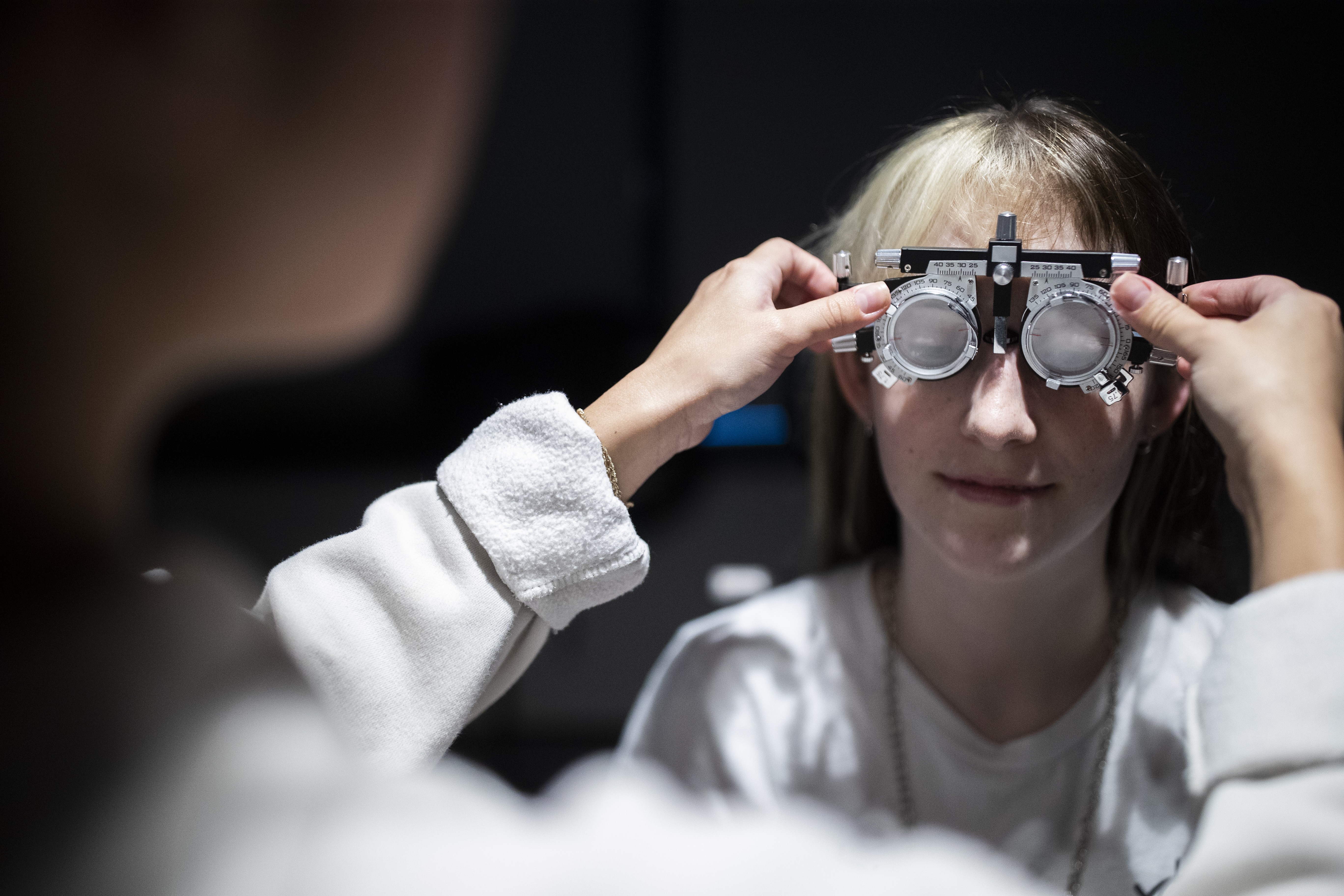 “We take many, many exams in optometry school so I felt like I knew how to very effectively take an exam and do well on it,” she said. “And, then we had a full mock board leading up to the actual part one exam, which was really helpful in figuring out my own pacing, knowing where I was in studying, and just understanding what test day would feel like.”
For PCO students preparing for the NBEO, Dr. Edwards emphasizes steady, consistent preparation and balance.
“You don't have to start studying really hard early on, but just every day, do a little bit of reviewing, a little bit of practice questions and it will help you feel calmer as you get into the closer timeframe of the exam,” she said.
She also stresses the importance of maintaining mental and physical well-being while studying for the exam.
“It can be easy to kind of get bogged down by all the pressure and the many hours that you take studying,” she said. “So, it's really important to take care of yourself because the best studying that you do is whenever you're actually physically and mentally well. Don’t study yourself into the ground.”
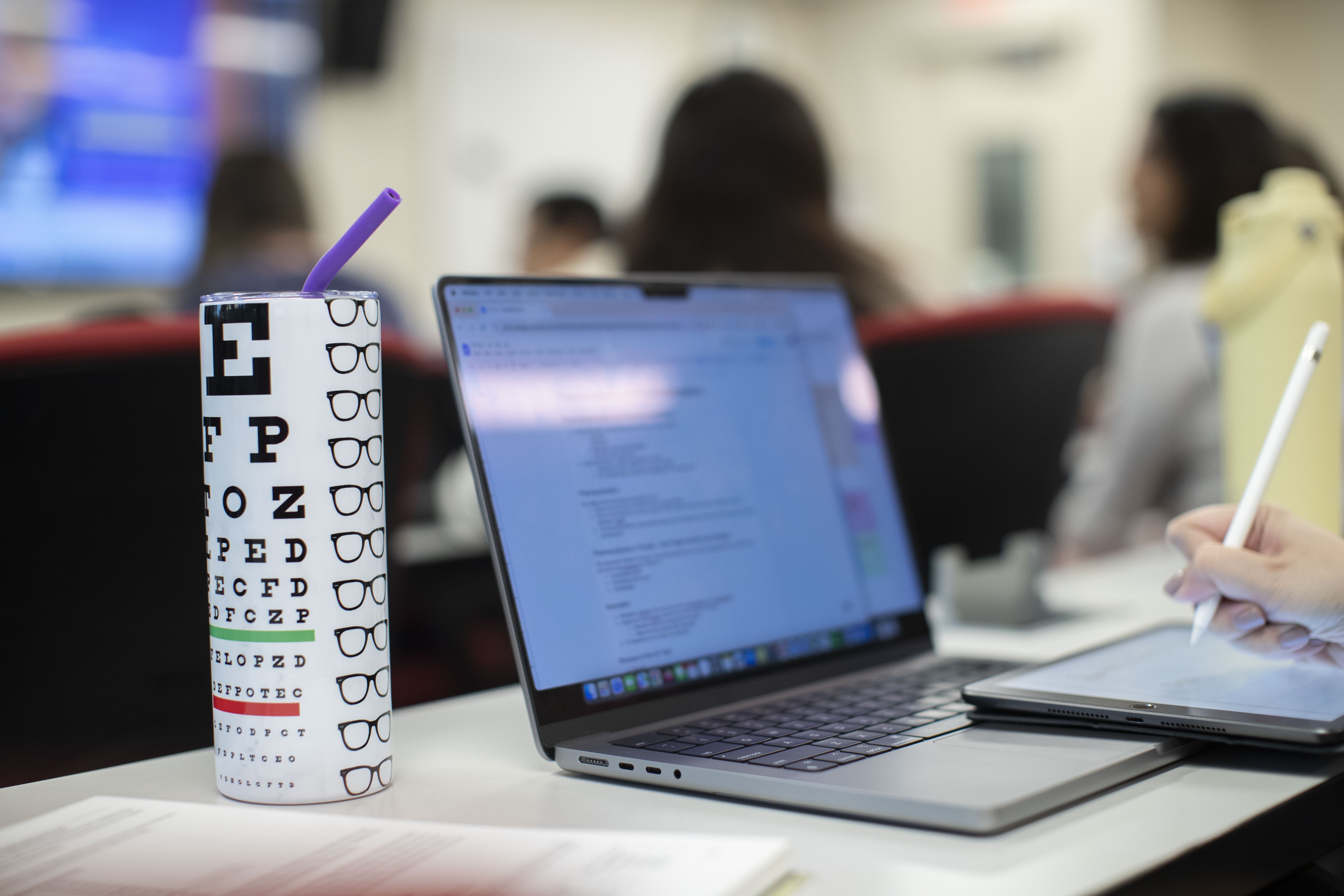 As Doctor of Optometry students know, the exam consists of three main parts. The Applied Basic Science (ABS) section is a written exam covering anatomy, physiology, biochemistry, optics, and systemic disease. The Patient Assessment and Management (PAM) section is a computer-based exam that tests clinical decision-making, patient diagnosis, and management, including the Treatment and Management of Ocular Disease (TMOD) component. The Clinical Skills (PEPS), section is a practical, in-person examination assessing patient care skills (e.g., binocular vision, biomicroscopy).
Drawing from her own experience preparing for and completing the NBEO exams, Dr. Edwards shares the following advice and perspectives for current optometry students navigating the board process.
Here are some tips on how to prepare the exams:
Part 1 (Applied Basic Science):
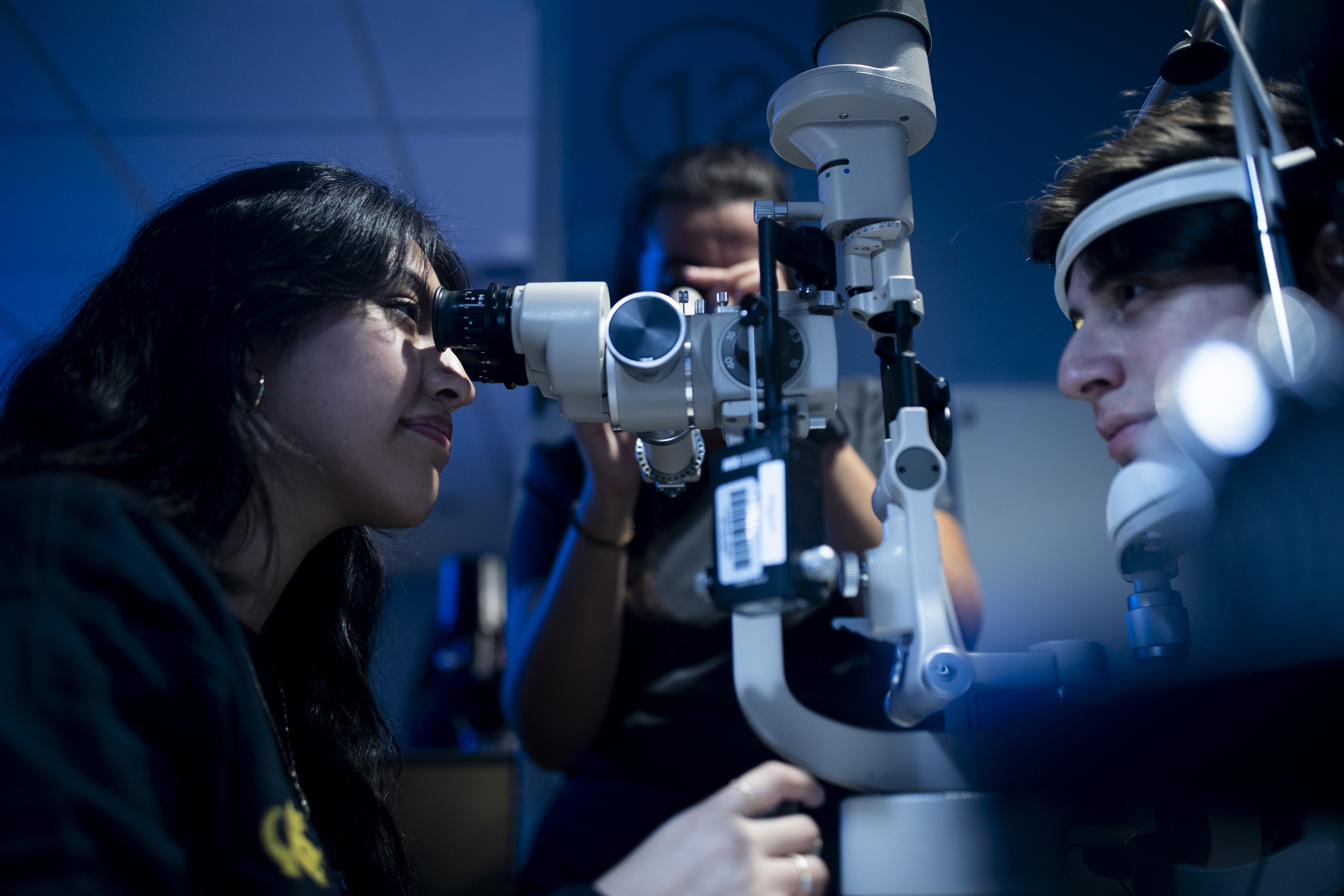 Covers optics, ocular anatomy, physiology, pharmacology, systemic health, binocular vision, and more.
Part 2 (Diagnosis and Management of Ocular Disease):
Part 3 (Clinical Skills and Patient Encounters):