Optometry
Drexel
General News
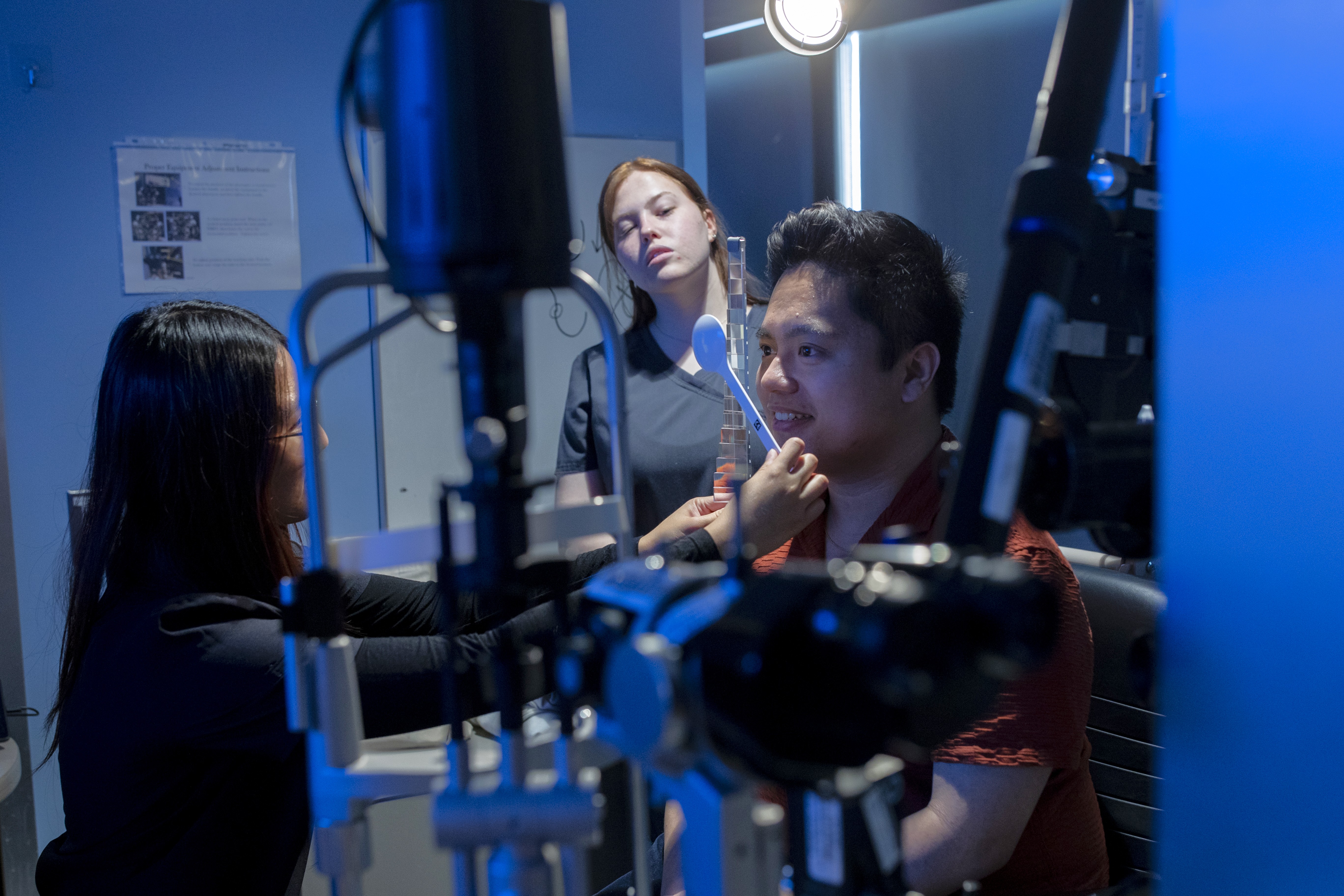
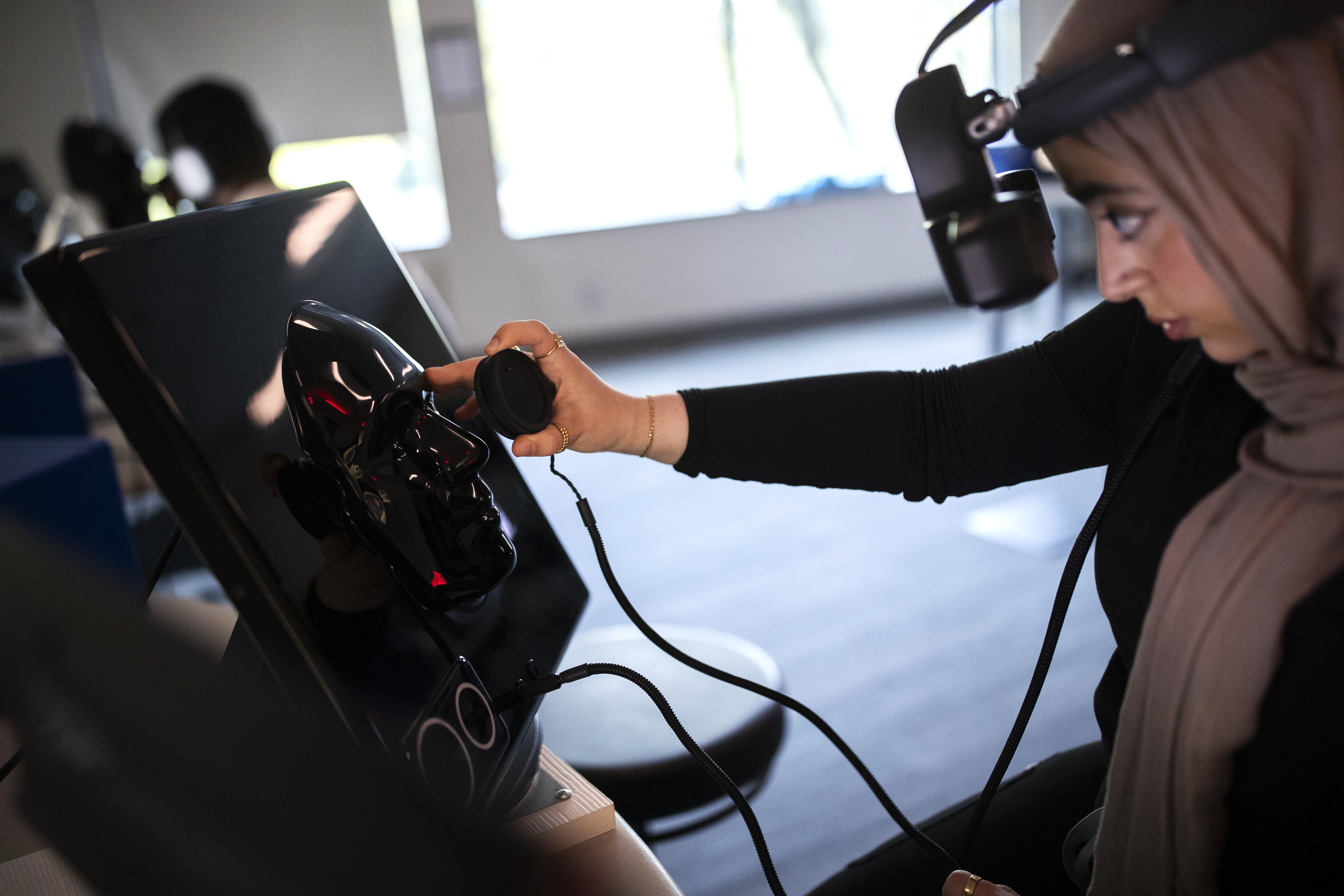
The transition to optometry school can be challenging, but faculty at the Pennsylvania College of Optometry (PCO) on Drexel University’s Elkins Park campus are helping students get off to a strong start by teaching them to “study smarter,” not just “study longer,” to achieve the best results.
To that end, PCO recently developed a readiness program, which is a structured, early engagement experience designed to support preparation before the start of the academic year.
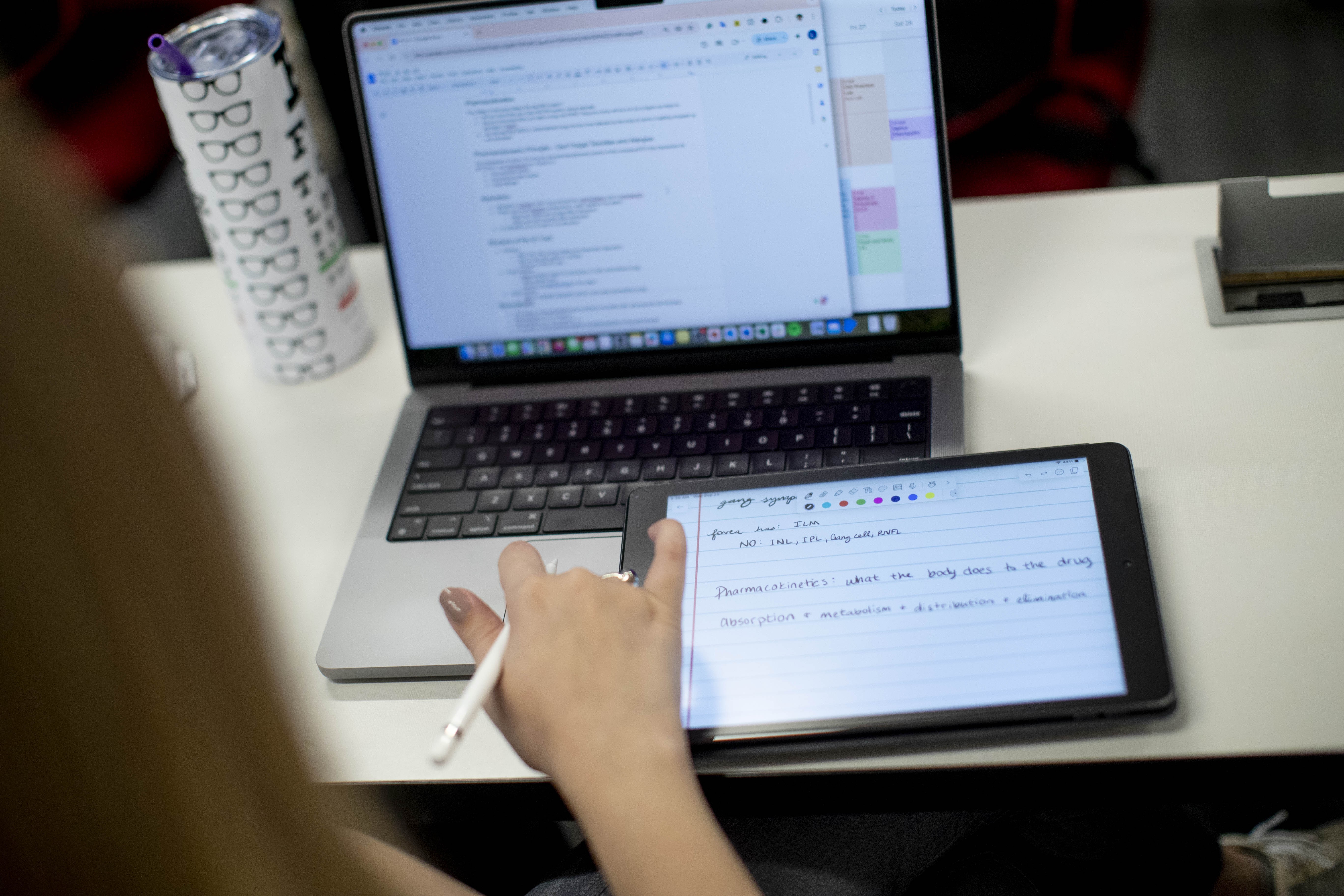 “It’s become clear that some students do not understand how to study in the most effective manner, or perhaps previous study techniques that served them well in undergraduate studies are not serving them well in optometry school,” said Kelly Malloy, OD ‘96, Resident ‘97, FAAO, Diplomate, professor and chief of the Neuro-Ophthalmic Disease Service at The Eye Institute (TEI), PCO’s clinical facility. “We want them to understand that the amount of time studying is not always proportional to the grade one will earn.”
Dr. Malloy added that faculty have observed some students begin their first year at PCO with varying levels of preparation based on specific factors such as their undergrad coursework, life experiences, and/or opportunities to shadow practicing optometrists.
“So, in an attempt to level the playing field as much as possible, we put together some resources for entering students based on feedback from current students,” she said. “They helped us compile a list of things they wished they knew before entering optometry school.”
And, according to Dr. Malloy, this is how the framework for the PCO Readiness Program was developed.
 Why This Program?
Think of this as a "pre-game" warmup before day one.
The goal is to help each student:
Before the first official day, PCO’s goal is to remove the guesswork so each student can focus on what matters: learning and growing.
Starting June 1, students will receive helpful resources every two weeks to help prepare for the start of the program.
The program concludes in person during Orientation Week.
Students will have a chance to:
“The hope is that students will have a better understanding of the scope, depth, and time-sensitive nature of an optometric curriculum before they start the program,” said Dr. Malloy. “We also hope students take these study techniques and time management skills and apply them to their preparations for the National Board of Examiners in Optometry (NBEO) examinations.”
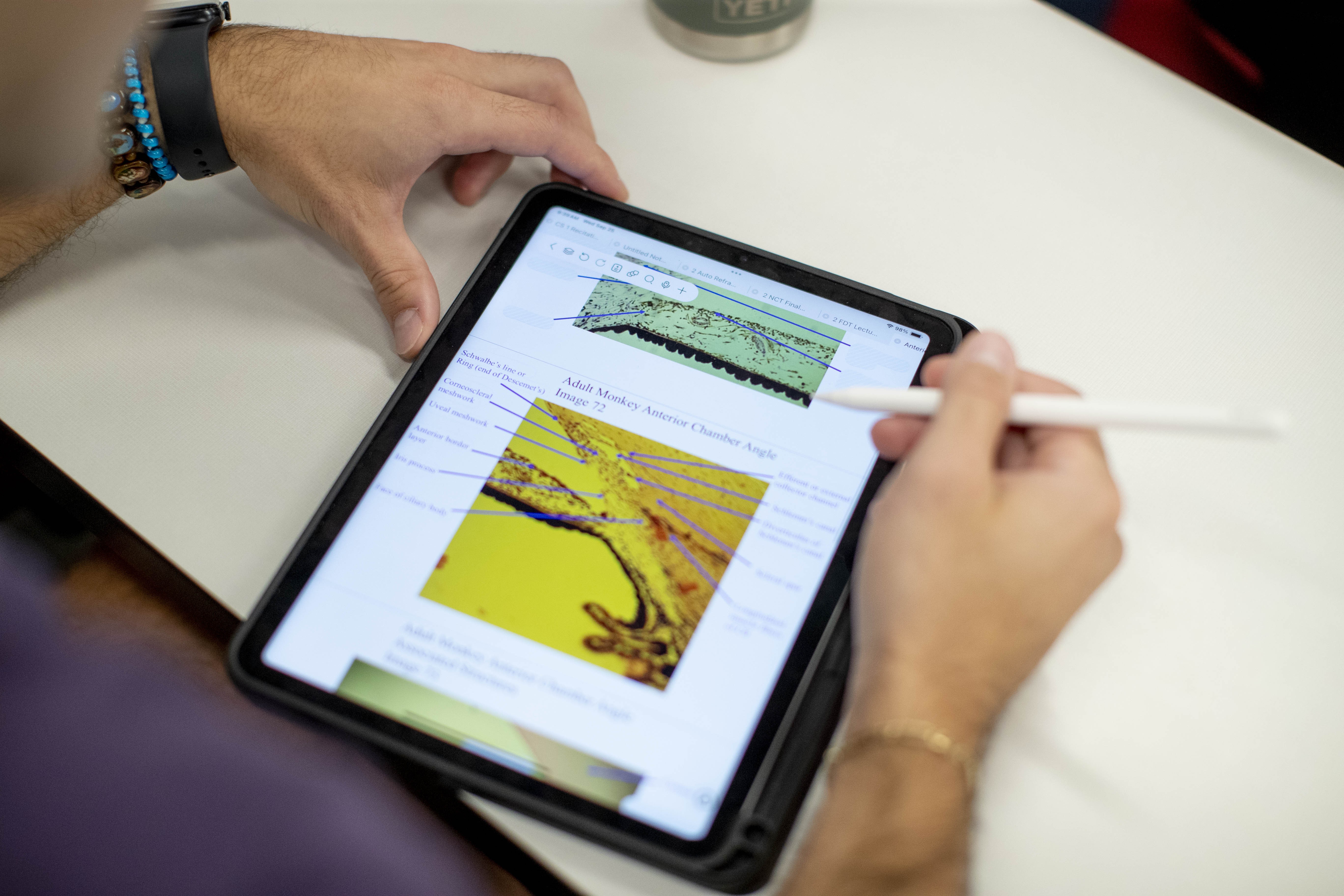 As part of the Readiness Program, PCO has built a comprehensive survey for students to complete on their last day of orientation to provide constructive feedback. Students will be asked their opinions on many aspects of the program, including the frequency of email communication over the summer; ease of access to the materials; the usefulness of the recommended book about study and time management; helpfulness of the postings regarding terminology; review of math concepts and basics of clinical skills; and their thoughts about how the three posted one-hour lectures helped them understand what to expect from the start of their Doctor of Optometry school experience.
Realizing students may not see the full effect of the Readiness Program until after they have started classes and taking exams, they will be asked to take additional surveys and provide feedback later in their first year and periodically throughout their four years of study about how to make the program better.
“Effective study skills right off the bat can do a lot to not only help students succeed academically but also to start thinking like the doctor they will be in four short years,” said Dr. Malloy. “Their future patients are counting on them mastering this material. Hopefully they will take that responsibility seriously and understand the need to put in the hard work now so they can help their patients as much as possible in the future.”