I Chose Series
Optometry
 As a part of licensing requirements in the United States, every optometrist must pass all three board examinations administered by the National Board of Examiners in Optometry (NBEO). Each exam is slightly different in its content and offers a unique challenge to the candidate.
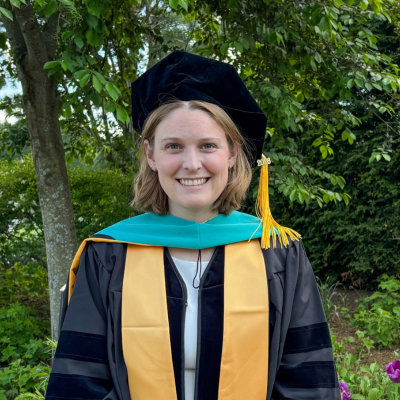
As a Doctor of Optometry student in the Class of 2026 at the Pennsylvania College of Optometry (PCO) at Drexel University’s Elkins Park Campus, I have recently taken (and found out that I passed!) all three parts of the NBEO board exams. This article will outline my own experiences preparing for and taking each of the exams.
Part 1 of NBEO, testing Applied Basic Science concepts, is often thought of as the most daunting. It encompasses the majority of the didactic information taught in school, including optics, ocular anatomy and physiology, pharmacology, systemic health, binocular vision, and more. The most overwhelming part of this exam is the vast amount of information that it includes. Most students will take this exam in March of their third year of school (or second year if you are in the Accelerated Scholars Doctor of Optometry three-year program here at PCO). This exam takes months of preparation and dedication in order to succeed, but rest assured that PCO/Drexel faculty and curriculum ensure you are well prepared for the exam.
In my own experience studying for NBEO Part 1, I found it very helpful to begin preparing as early as possible. I started doing light, passive studying and reviewing in October, nearly five months before taking the exam. I started by working through the content matrix outline posted on the NBEO site and reviewing each topic thoroughly with my class notes and textbooks. After going through the entire matrix, I began working on active recall-type studying. This is a really helpful studying method because it helps you identify what you know vs. what you still need to work on. Active studying can mean flash cards, practice questions, quizzing fellow classmates in groups, or self-quizzing on a specific topic. This method really helped me to solidify my knowledge and work out my weak points.
One of the most difficult parts of studying for Part 1 was managing burn out. Studying rigorously for months, on top of our regular class work, exams, and clinic, was very mentally and emotionally draining. I remember being exhausted from studying for hours every day and feeling like none of the information that I was working so hard to learn was actually going into my head. I wish that I had understood the importance of breaks and proper self-care during this time. It’s easy to get in the mindset that if I just study as hard as I can every single day, then I’ll definitely pass the exam, but that is not the case. You can’t do your best studying if your body and mind aren’t being taken care of. If I could go back in time to when I was studying for Part 1 and give myself advice, I would tell her to take a break, spend quality time with family and friends, eat healthy, exercise frequently, and focus more on her well-being.
 The actual Part 1 NBEO exam is a computer-based multiple choice exam. The exam is eight hours long with 350 questions total. Taking the exam was actually a very positive experience for me. It felt so good to finally showcase all the knowledge that I had worked so hard for, and it felt even better to be done with it all. I had become so accustomed to taking exams at PCO that I didn’t really have any nerves on the day of Part 1. After taking the exam, I let out a huge sigh of relief and went out to celebrate this huge accomplishment with fellow classmates, friends, and family.
Another difficult aspect of the NBEO exams is that it takes a long time for scores to be released. If you take Part 1 in March, you usually don’t get to know your scores until May. The same is true for Part 2 and Part 3: you have to wait about seven weeks between when you take the exam and when scores are released. The anticipation is quite difficult, but it’s always helpful to remember that you are never going through any of this alone. All of your classmates are in the same boat and feeling the same anxiety, but when you open your score report and see the big, green letters that say “Passed,” the wait was fully worth it.
Part 1 of boards tends to be the most nerve-racking of all three, and I would most definitely agree with that. After you have one exam under your belt, the other two feel much more manageable. Part 2 of NBEO focuses on the diagnosis, treatment, and management of ocular disease and conditions. The exam is the same computer-based and multiple-choice format as Part 1, but it contains case-based type questions. Most students take Part 2 in December of their last year of school. During this time, you are finished with your didactic classwork and solely focused on your clinical externship rotations. This is really helpful because you’re basically studying for Part 2 every day without ever having to open a textbook: seeing patients all day is the best way to learn about the treatment of ocular conditions. I think this is why Part 2 is much less stressful than Part 1: the studying is much more practical and applicable to what you’re doing on a daily basis. I can honestly admit that I didn’t do much studying at home for Part 2 because my externship rotations prepared me very well for the content.
 Part 3 of NBEO has a different format from the other two. It involves an in-person skills and patient encounter assessment. You travel to the NBEO Headquarters in Charlotte, North Carolina, for this exam, where you showcase all the skills you have learned throughout your time in optometry school. I feel like I didn’t have to prepare very much for this exam either, because my externship rotations and practical assessments during school prepared me really well. The hardest aspect of Part 3 was managing my nerves on exam day. Unlike the other two parts, this exam has a real-life proctor watching you in real-time. This was definitely nerve-racking, but I was really glad that our professors and faculty gave us experience with this by hosting multiple Mock Part 3 Examinations and mirroring the setup for all of our practical examinations. Once I was there and actually doing the skills exams, I felt comfortable and at ease because I felt like I had done all of this so many times. Since Part 3 is a different format, you can schedule to take the exam anytime from August through May in your last year of school. I also really enjoyed going to Charlotte for the exam. Although we weren’t there for very long, it was still really fun to go out to eat and explore the city a little.
Board examinations can be a scary and stressful part of optometry school, but PCO/Drexel University’s Elkins Park Campus faculty do a great job supporting and preparing you for the exams. Passing the exams and becoming a board-certified optometrist is such a wonderful moment, and it’s only the beginning of a long and successful career in optometry!
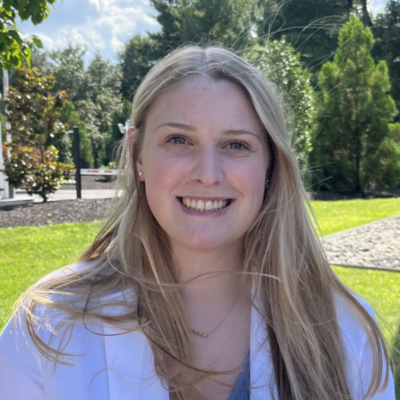
- Madison is a third-year Accelerated Scholars Optometry student