Current Student News
Audiology
General News
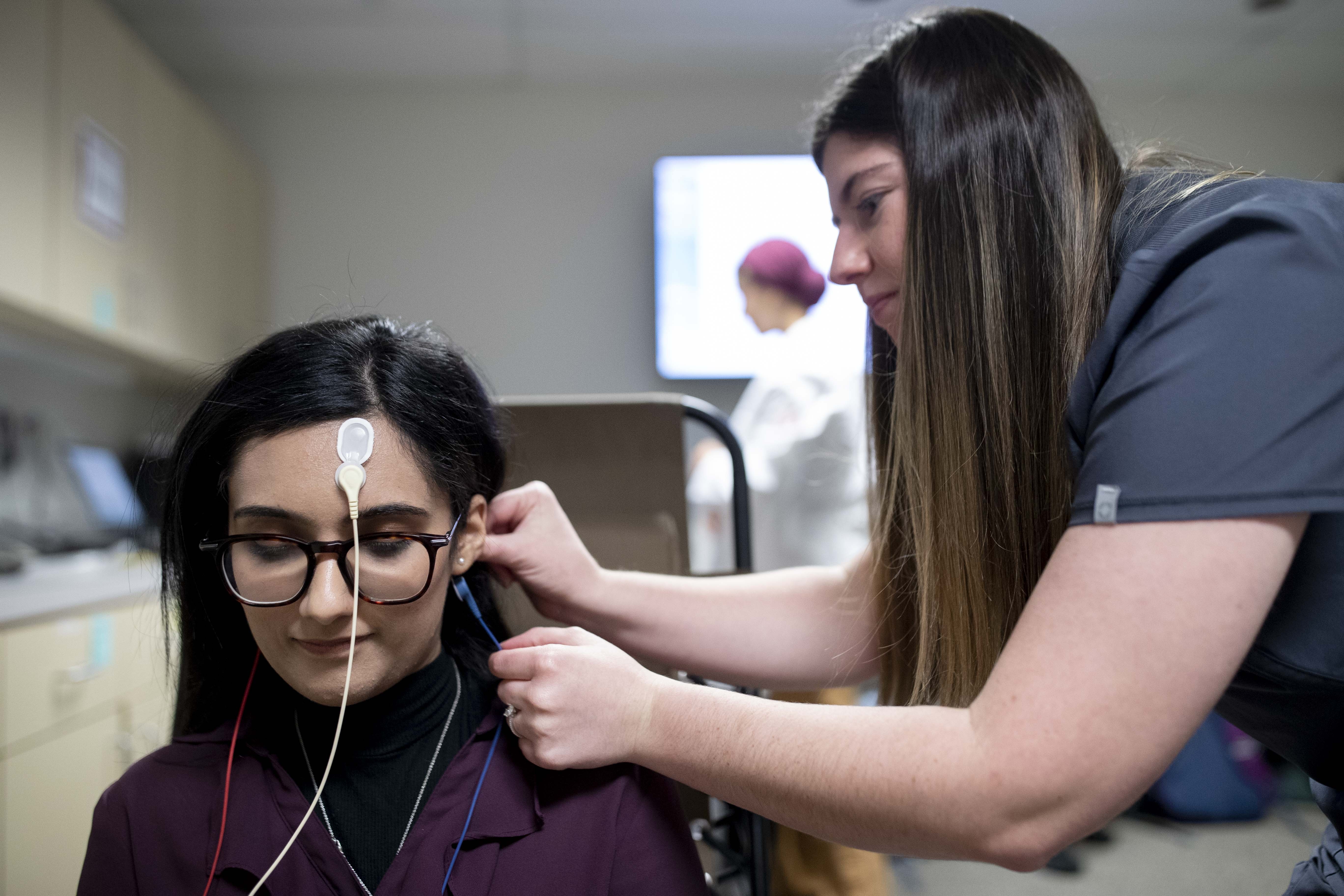
Osborne Audiology in the College of Nursing and Health Professions (CNHP) at Drexel University’s Elkins Park campus, is redefining the future of audiology education with the launch of an innovative three-year, multi-credential, on-campus Doctor of Audiology (AuD) program.
Beginning with the July 2027 class, this program reflects Drexel’s commitment to innovation in health professions education by introducing an integrated curriculum that combines early clinical training, multiple professional credentials and an accelerated pathway to practice.
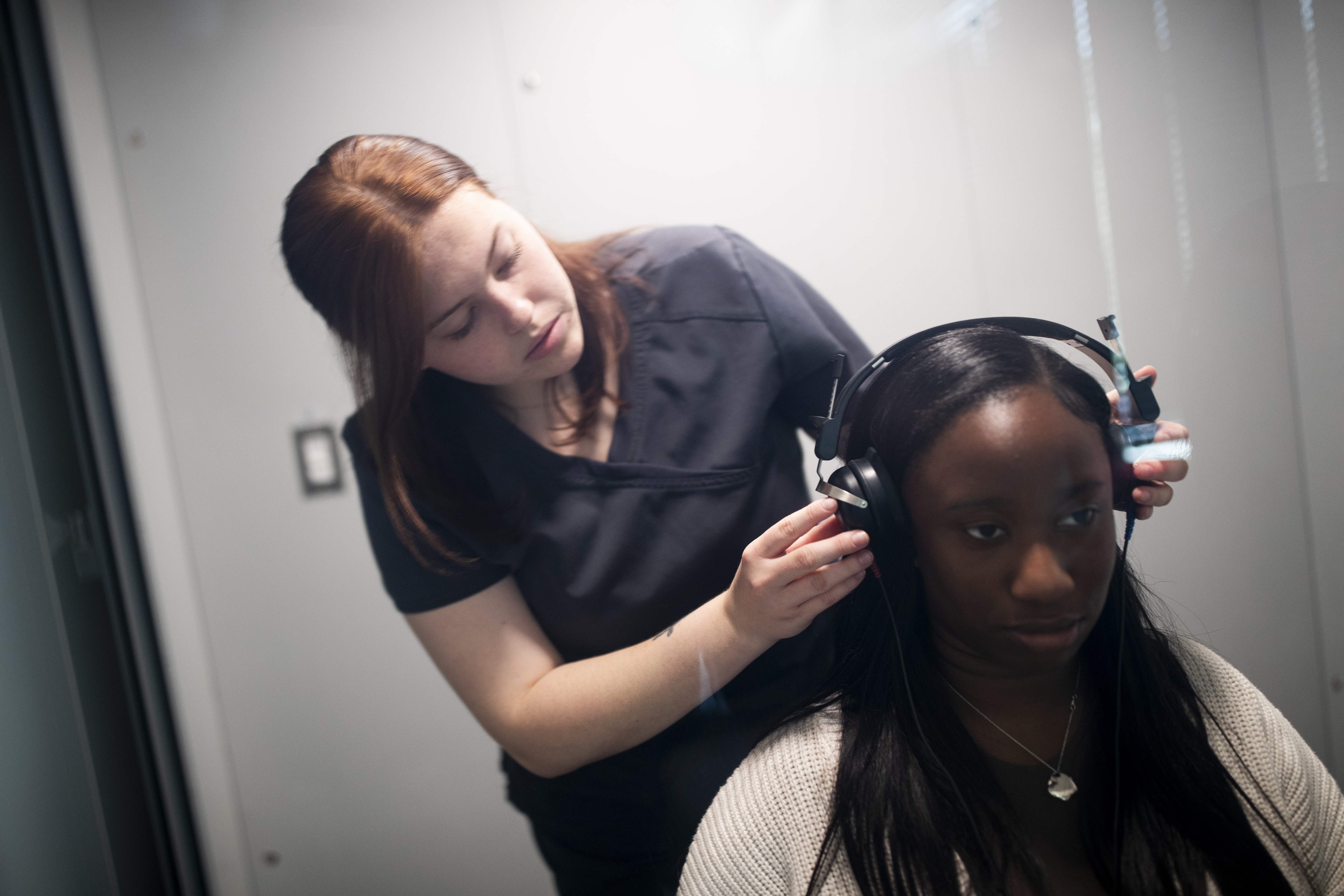 “At Osborne Audiology, students are at the center of a curriculum designed for the future of our profession,” said Radhika Aravamudhan, PhD, EdD, CCC-A, chair and program director of Osborne Audiology. “Aligned with Drexel’s commitment to experiential learning, our integrated program combines immersive clinical experiences with future-focused preparation, empowering students to become practice-ready in hearing and balance healthcare in just more than three years.”
The three-year program is in response to enrollment trends, student debt concerns, scope of practices modernization, and potential funding constraints, and the curriculum has been carefully developed to:
This ensures strong return on investment for students while preserving educational rigor, according to Dr. Aravamudhan. The proposed three-year model is also aligned with the goals of Audiology 2050, a 25-year plan launched by the Academy of Doctors of Audiology (ADA) to update and grow the audiology profession.
As faculty redesigned the curriculum, they also reimagined how students could gain meaningful credentials throughout their education.
"Once we committed to a three-year program, we developed a multi-credential model," said Dr. Aravamudhan. "Our goal was for students to earn professional credentials as they progress through the curriculum, creating additional career opportunities while they're still in school."
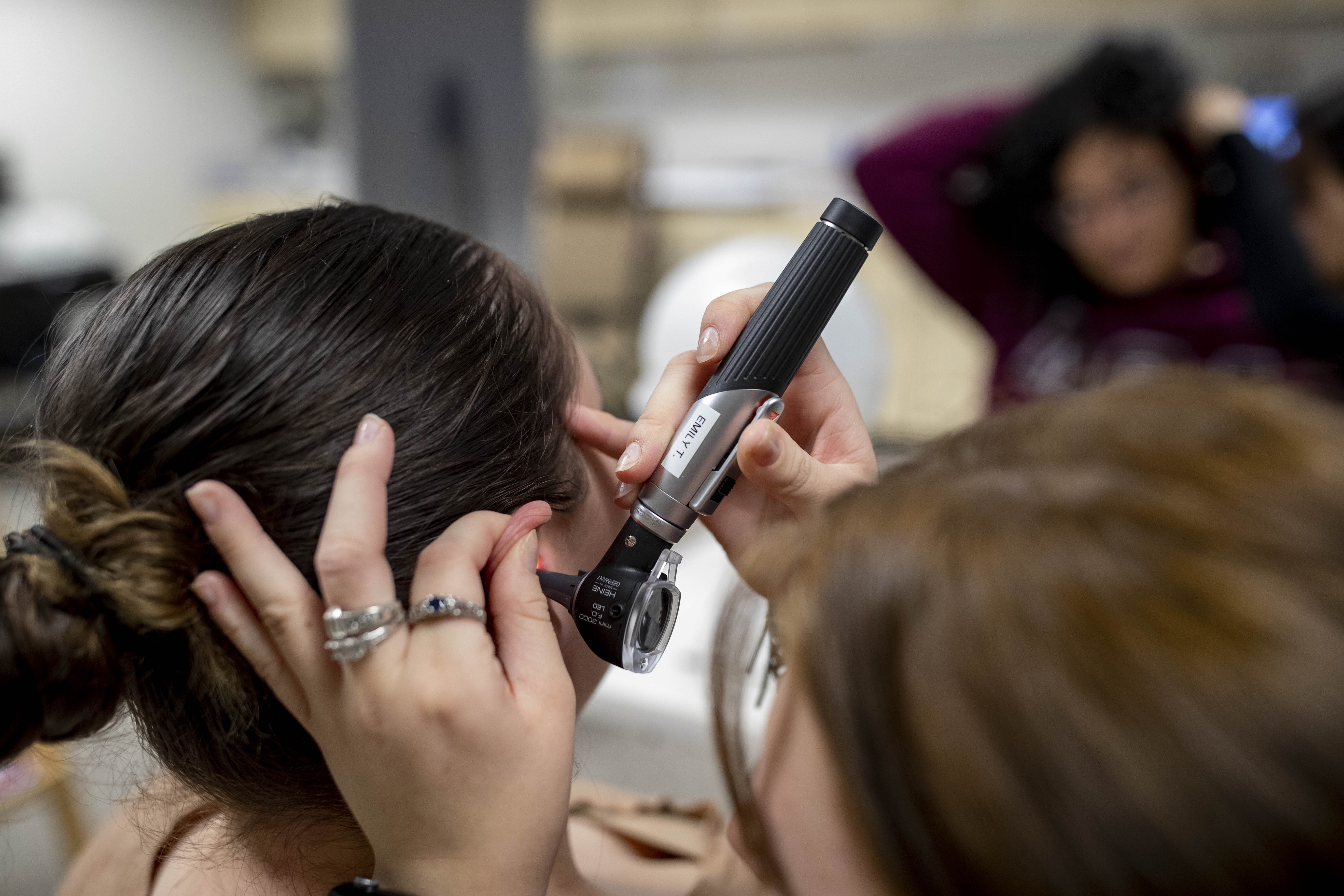 By the end of the first semester, students have the preparation to aplly for an Audiology Assistant credential. After the first year, they are prepared to apply for a hearing aid dispenser's license.
"In the event that a student's educational journey is interrupted, they leave with a recognized credential rather than empty-handed," said Dr. Aravamudhan. "For students who continue in the program, these credentials also provide opportunities for part-time employment and additional professional experience while completing their doctoral degree."
Although the program has been condensed from four years to three, students will continue to benefit from one of Osborne Audiology's defining strengths, early and immersive clinical education.
Students begin clinical training at the Pennsylvania Ear Institute (PEI), the program's on-campus clinical facility in Elkins Park, Pennsylvania, where they gain hands-on experience from the beginning of the curriculum. Clinical learning continues through external rotations before culminating in a full-time, year-long externship during the third year.
This immersive approach ensures graduates develop the clinical confidence and competencies expected of today's audiologists while completing the program in a shorter timeframe.
The redesigned curriculum also includes an exit-degree pathway for students whose educational goals change.
Although the program will not admit students directly into a Master of Arts in Audiology program, students who successfully complete the first two years of the AuD curriculum and choose not to continue into the third year may be awarded a non-clinical master’s degree in audiology.
"This is not a separate admissions pathway," Dr. Aravamudhan explained. "It's a thoughtfully designed exit option that recognizes students' accomplishments. It's a ramp-off degree, not a recruiting degree, that allows students to leave with another meaningful academic credential."
The program begins each July, approximately six weeks before the start of the fall semester. This early start allows students to build foundational knowledge, develop relationships with faculty and classmates, and transition confidently into clinical training at the beginning of the academic year.
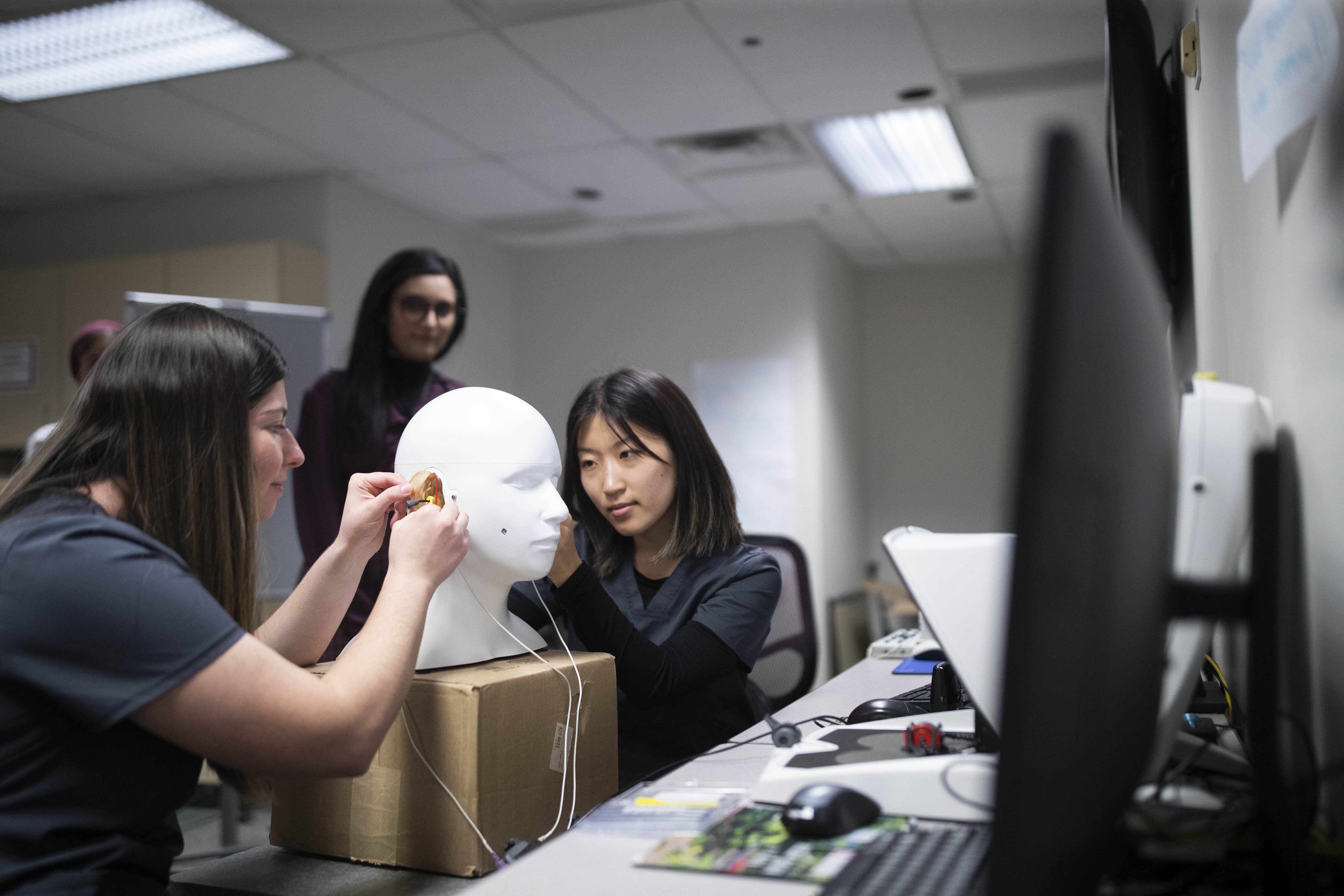 Although the duration of the program is shortened, from four years to three, Drexel did not spread the cost of the fourth year across the remaining three years. "Our goal was not simply to shorten the program," said Dr. Aravamudhan. "It was to make the degree more affordable while preserving the rigorous clinical education, hands-on experiences, and values that have always defined the Osborne Audiology program. This redesign reflects our commitment to innovation, student success, and expanding access to the profession."
For Emily Roper, PhD, dean of the College of Nursing and Health Professions (CNHP), the redesigned program represents the future of health professions education.
"Healthcare is evolving rapidly, and educational models must evolve alongside it," said Dr. Roper. "This innovative curriculum prepares students to enter the workforce sooner without compromising the quality or depth of their education. Osborne Audiology continues its long tradition of excellence while leading the profession toward a more agile, learner-centered model of doctoral education."
The three-year AuD program positions Drexel University and Osborne Audiology at the forefront of audiology education, preparing graduates with eligibility for multiple credentials, immersive clinical experience, and the knowledge and skills needed to lead the future of hearing and balance healthcare.
*Note: Additional information for students
Incoming fall 2026 students are encouraged to remain on their current academic path, as admission to the three-year program is not guaranteed and is expected to be more competitive due to its accelerated format.
Students who are currently enrolled in the four-year program in the fall 2026 cohort are not eligible to defer their enrollment into the three-year program. Those interested in the accelerated option would need to submit a new apllication for consideration.
At this time, tuition for the three-year program has not yet been finalized, and scholarship opportunities are not yet available. Additional information regarding tuition and financial aid will be shared as it becomes available.