General News
Audiology
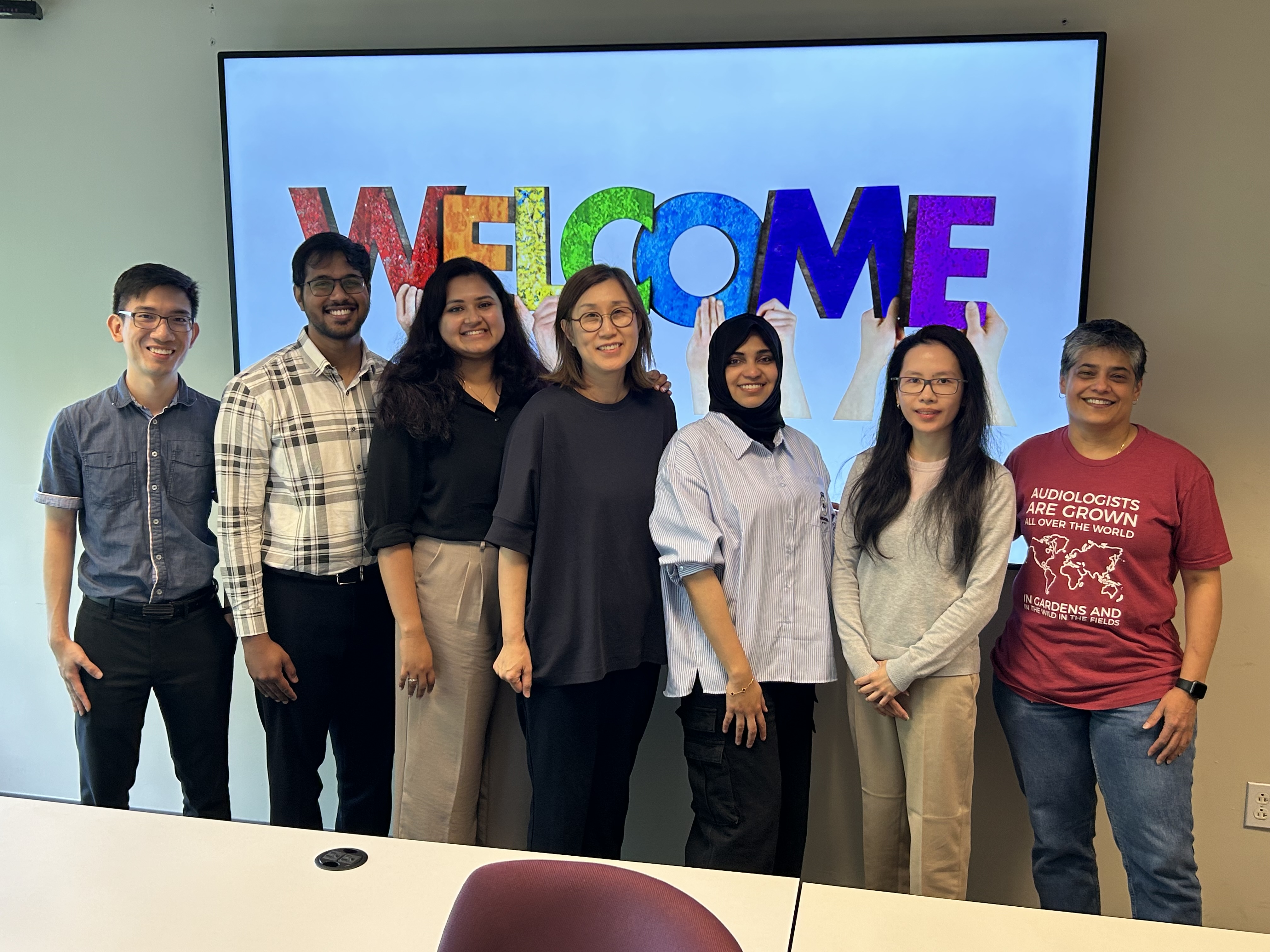
When Yi Siang Tee ‘27AUD earned his bachelor's degree in audiology in Malaysia, he thought he had reached an important milestone. But after a few years in practice, he realized he yearned for more.
"In our profession, we need to keep our knowledge updated through continuing education," said Tee, who now lives and works in Singapore. "I was looking into different programs and found that Drexel University had a unique distance learning program that I could complete while working full time."
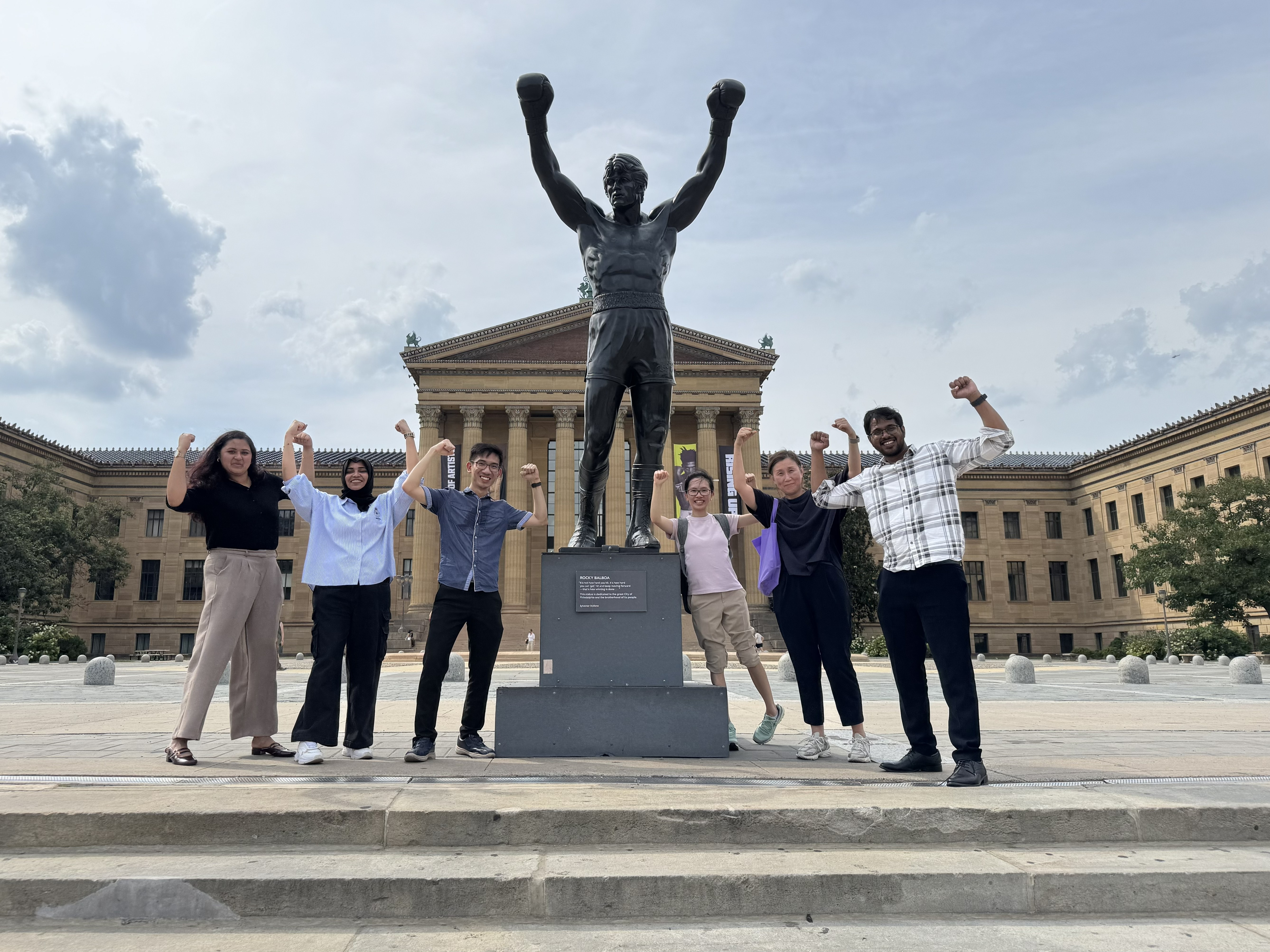
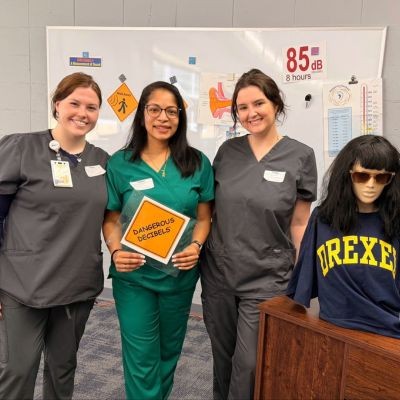
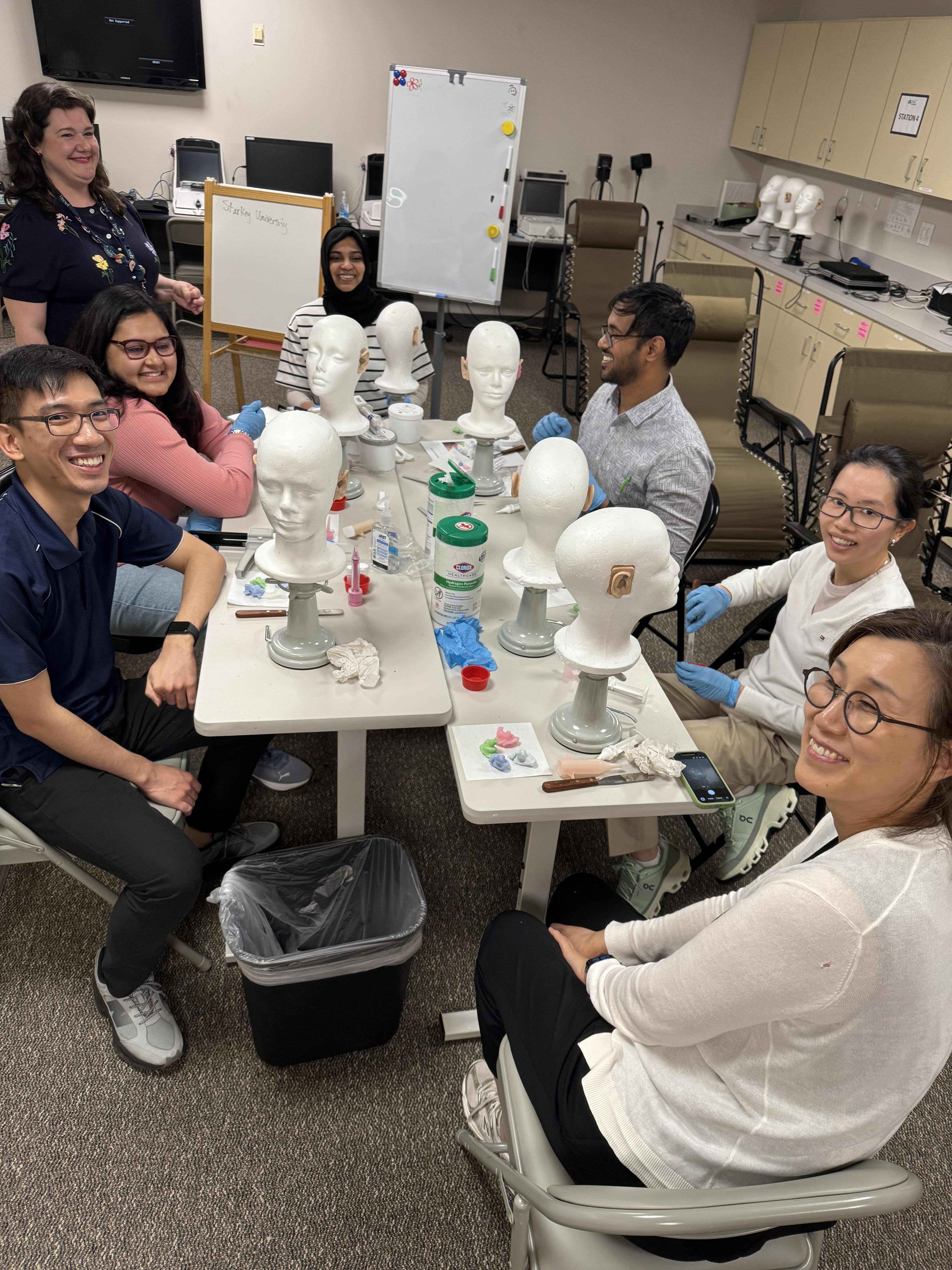 Tee was one of several students from around the world who recently traveled to Drexel University's Elkins Park campus for intensive hands-on clinical workshops as part of the Osborne Audiology's Distance Education programs.
Designed to bridge the gap between online learning and clinical practice, the workshops immerse students in real-world audiology skills while connecting them with faculty and classmates from across the globe. Although participation is optional for students in the fully online Doctor of Audiology (AuD) Bridge program, students are encouraged to attend at least one hands-on workshop during the course of their studies. However, for students enrolled in the Master of Science in Clinical Audiology (MSCA) program, the workshops are a required milestone.
"The hands-on workshops are the gateway for students to start their supervised clinical training, which makes them very important and consequential," said Shilpi Banerjee, PhD, MBA, director of Distance Education programs at Osborne Audiology. "They provide students with the opportunity to practice a wide range of clinical skills—some they use every day and others they may be encountering for the first time."
Beyond strengthening students’ clinical skills, the workshops give faculty the opportunity to evaluate their readiness for clinical practice and their ability to apply evidence-based best practices in patient care. According to Dr. Banerjee, this is fundamental to the program's mission of elevating the practice of audiology worldwide.
"We're the only program of its kind in the world," she said. "There are no other online or hybrid master's-level audiology programs."
That distinction attracts students from a remarkable range of professional backgrounds. MSCA students live and work across multiple continents and bring varying levels of education, experience, and clinical expertise. While many arrive with years of experience in certain areas of audiology, others are refreshing skills they have not practiced recently or learning entirely new ones. The workshops are designed to strengthen foundational competencies while introducing students to more advanced and evolving areas of practice.
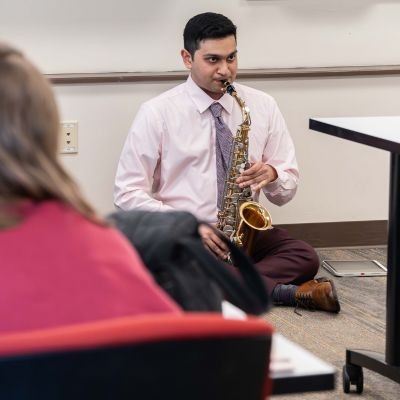
Learning is intentionally structured to build confidence step by step. Each workshop includes six four-hour modules. During the first four modules, students receive targeted instruction, spend extensive time practicing in Osborne Audiology's teaching laboratories on the Elkins Park campus, and demonstrate competency through practical assessments. Module 5 then introduces standardized patients, allowing students to apply their skills in realistic clinical scenarios. And, the final module integrates everything students have learned, challenging them to interpret results and make clinical decisions within the broader context of patient care.
"It's been a really good hands-on experience for me," said Arul Karuppannan ‘27AUD originally from India and now based in Canada. "There are things I'm practicing now that will add to my knowledge and help me become a better clinician."
Although the students came from different countries and practice settings, two common themes emerged.
First, every student balanced the program while working full-time. The MSCA program's hybrid format enabled them to complete coursework online, participate in virtual learning activities, attend intensive two-week on-campus workshops, and fulfill 400 hours of supervised clinical training - all while minimizing disruption to their professional and personal lives.
Winnie Ann Thomas ‘27AUD illustrates how the program’s format supported working professionals across the globe. She earned her bachelor's degree in India before moving to the United Arab Emirates, where she now lives and works. "I was looking for opportunities where I could continue to work while earning a master's degree," she said.
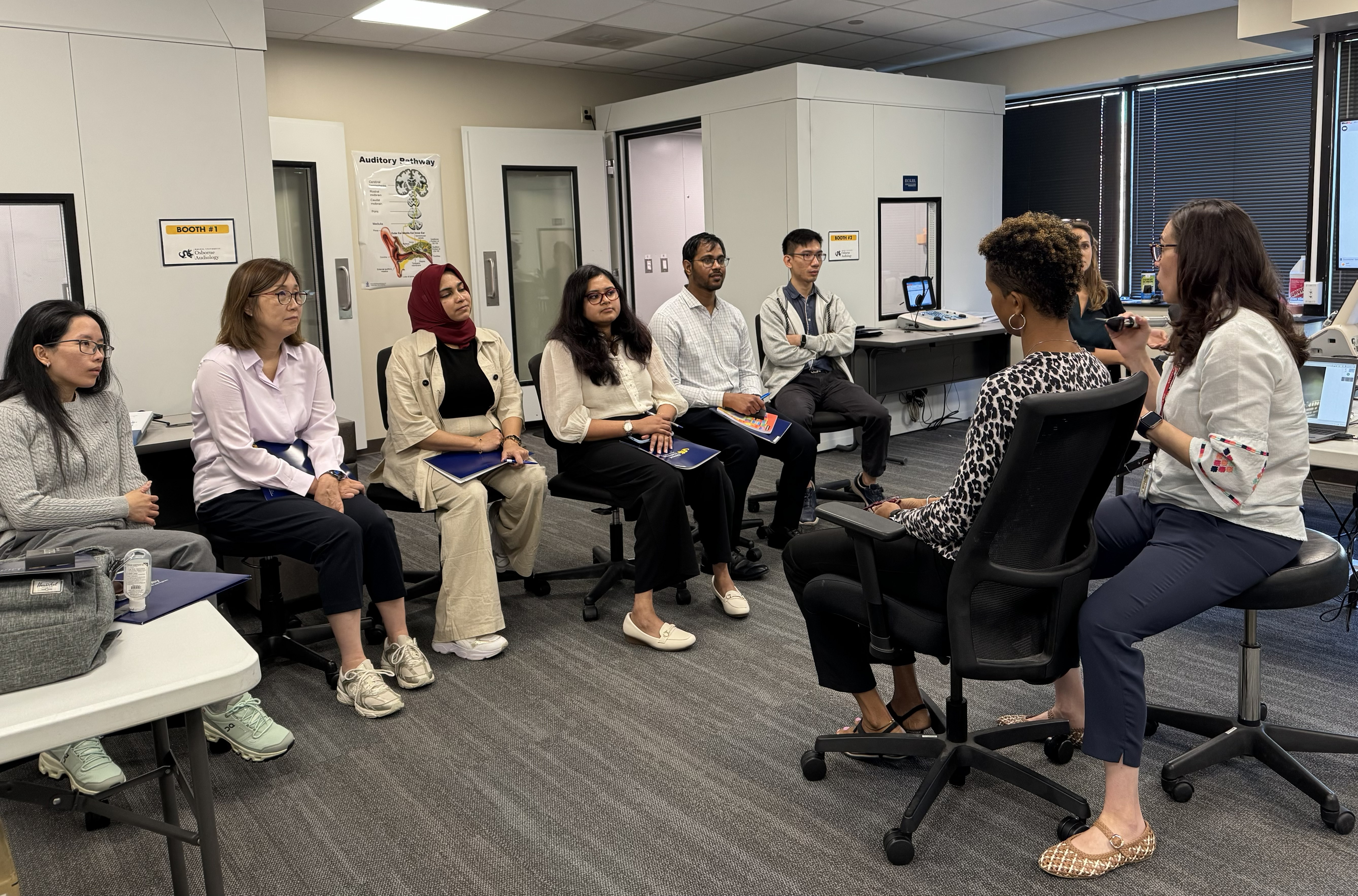 The second theme was that a master's degree represented something different for each individual student.
For Basmath B. Puzhuthunnipra Kalathingal ‘27AUD, who originally hails from India and is now practicing in Qatar, the program is an opportunity to deepen years of professional experiences. Inspired to follow in her father's footsteps, she has spent years practicing audiology and establishing audiology services at her current workplace. "What I learned from this experience, I want to implement back home," she said.
Natasha Wisesa ‘27AUD, who is originally from Indonesia and is now working as a hearing aid dispenser in Canada, said the program opens doors to a broader scope of practice.
"There are so many different parts of audiology apart from the diagnostics and hearing aids, things like cochlear implants and vestibular care,” she said. “This program opened those opportunities for me."
While the program offers tremendous flexibility, it is not without challenges. Students working independently or in practices offering only limited audiology services must find ways to complete supervised clinical training outside of their workplaces. Others must adapt to learning in a distance education environment, where classmates may live thousands of miles apart.
For Euna Paik ‘27AUD, who moved to the United States from South Korea, that adjustment was initially difficult. After 18 years as a speech-language pathologist, she now works as a hearing aid dispenser in New Jersey.
"[Initially, it] was challenging to think of ways to effectively interact with others because our experiences were so different," she said. "With this workshop, I see the benefits of being together. We can teach each other. We can problem-solve and learn together."
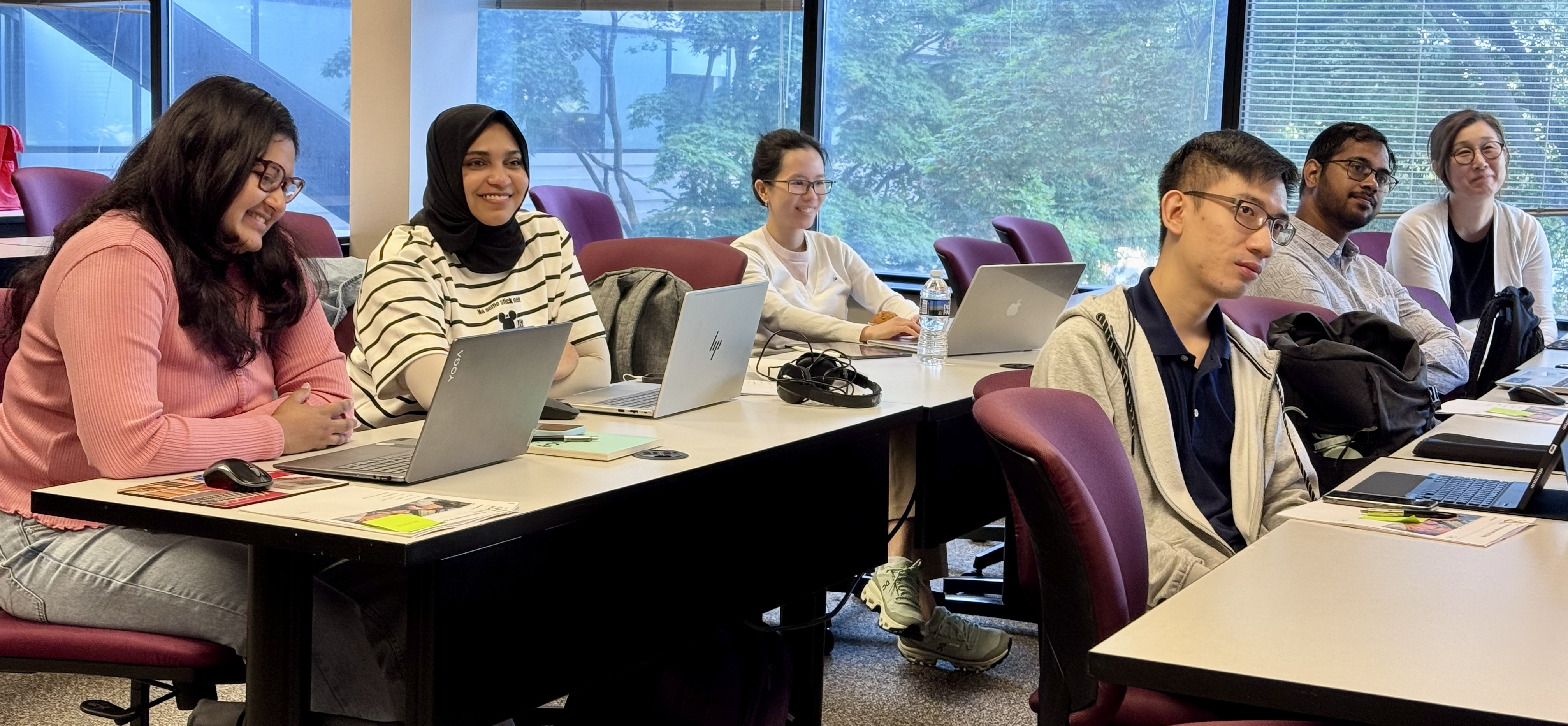 Paik has embraced the hybrid learning experience and plans to continue into Drexel's AuD Bridge program after completing her master's degree, enabling her to provide the full scope of audiology services to the Korean-speaking community she serves.
According to Dr. Banerjee, every workshop cohort presents a unique opportunity.
"Managing the balance between ensuring everyone attending develops essential competencies while keeping the experience engaging for students who already have expertise in particular areas is important," she said. "At the end of the day, the experience enriches everyone involved."
As these students return to clinical facilities across the globe, they take with them not only new and necessary skills but also a worldwide network of colleagues and mentors from Osborne Audiology and beyond. Their experiences at Drexel’s Elkins Park campus are helping strengthen audiology practice far beyond the classroom - one patient, one clinical site, and one community at a time.