General News
Audiology
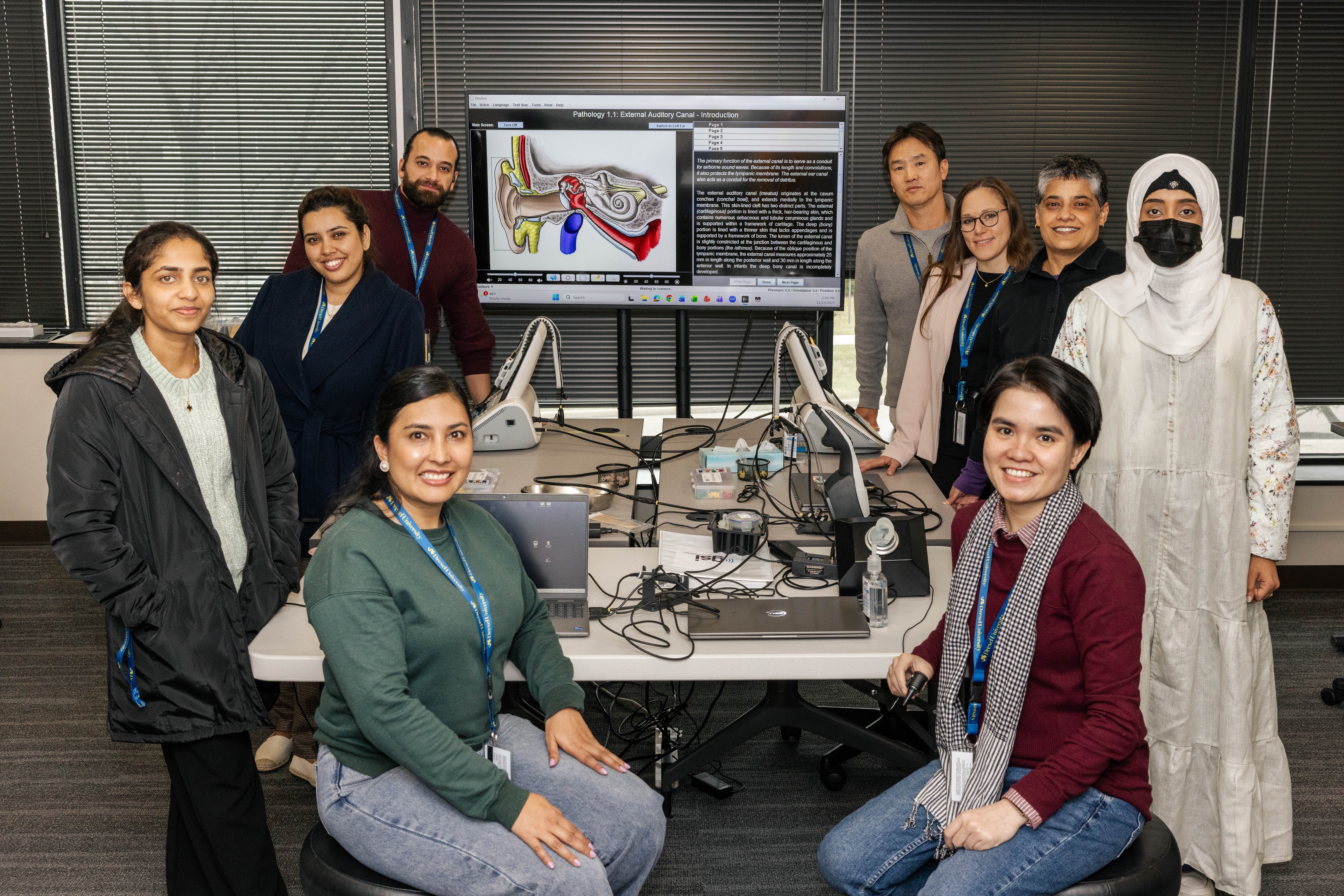
One of the hardest things in an online program is to build community, according to Shilpi Banerjee, PhD, director of the Distance Education programs in the Osborne Audiology Department on Drexel University, Elkins Park campus. But for the program’s most recent cohort, which spent two weeks on campus for face-to-face training, that wasn’t the case.
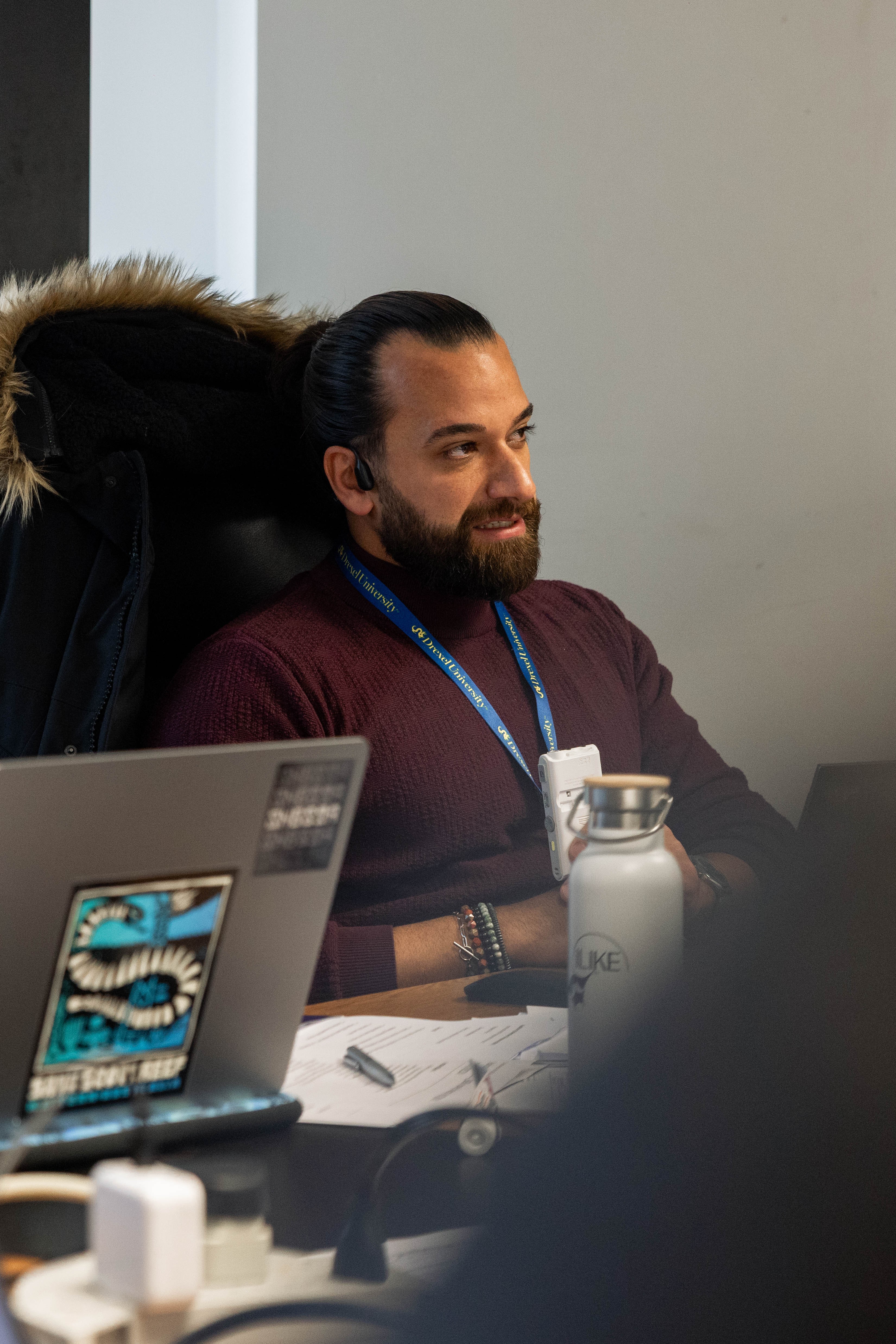 “They’ve all come with expertise of one sort or another. And, it’s really nice to see them, first of all, open their minds enough to explore other ways of doing things,” said Dr. Banerjee. “It’s also nice to see them engaging with one another. For the most part, most of them have only seen each other on a screen. It’s the first time engaging with their peers, and it’s really nice to see the dynamics that they’ve developed in spite of the fact that they live in very different parts of the world.”
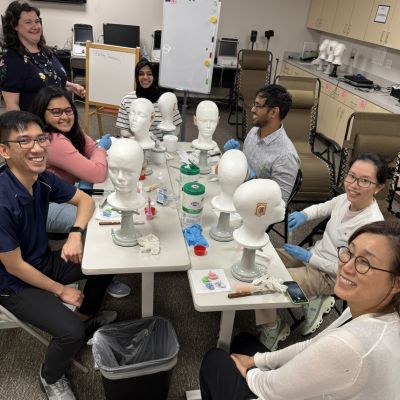
The group of eight students, four in the Master of Science in Clinical Audiology (MSCA) program and four in the Doctor of Audiology (AuD) program completed three hands-on workshops and gained experience in clinical training during their time in the U.S. The online program, for working international or domestic audiologists with a master’s degree in audiology, does require students to be on campus for between 15 and 21 days throughout the duration of their educational experience.
“I know it’s distance learning, but this workshop gives us experience on what it’s like in practice,” said Abdul Yamout, of Lebanon. “We’ve all learned about audiology before, and we do have some skills, but when you see, you can get some tips and improve your skills here before going home to our clinical work. This program is very good for me in that regard.”
The online bridge program is attractive to many international students because it allows them to pursue their master’s and doctorate degrees while still working in their home countries. Many students will take what they learn in the program and share it with colleagues back home.
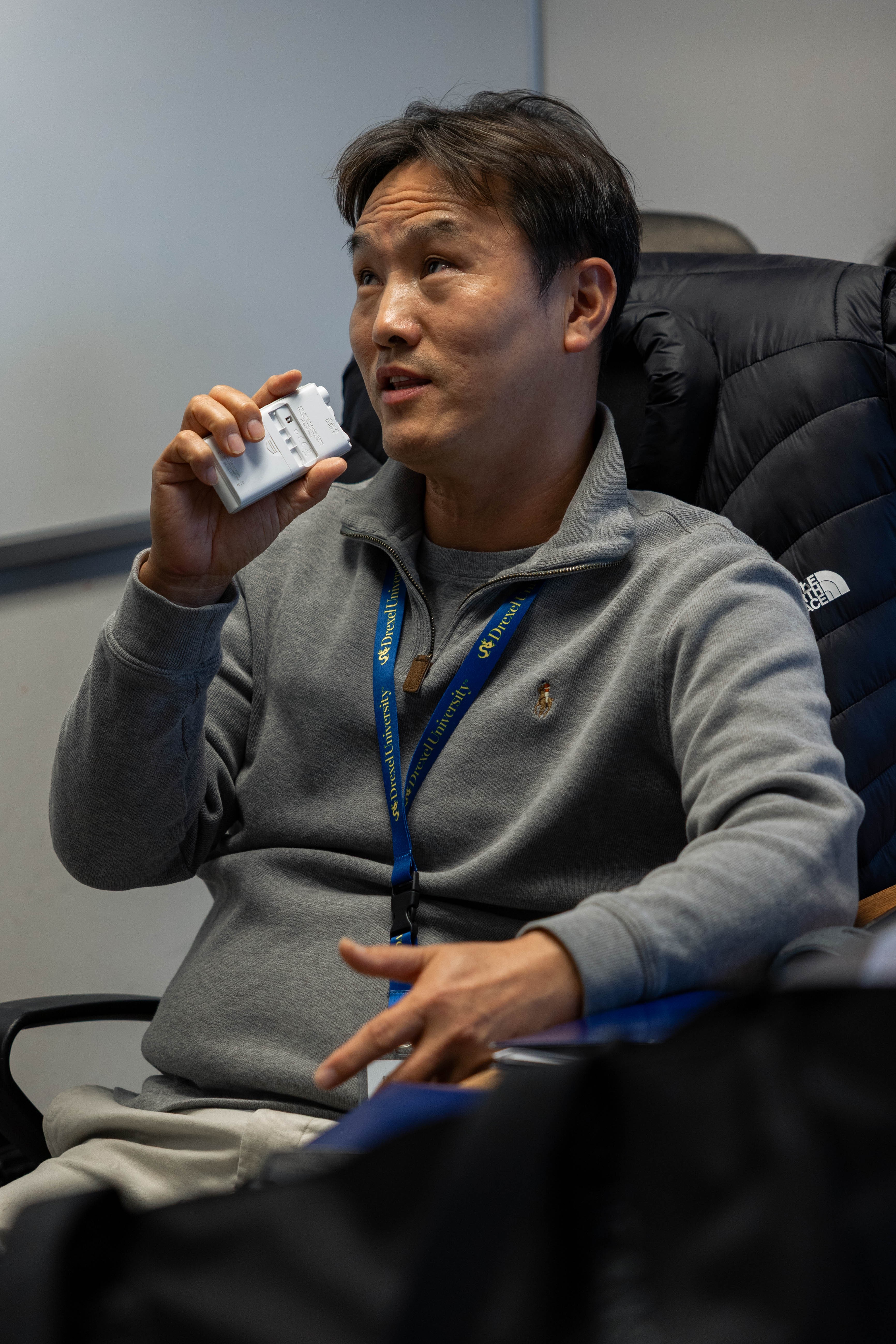 “I’m working for a hearing aid company, but I need a program where I can work and study at the same time,” said Naggi Kim, originally from South Korea, who has been working in the U.S. for the past five years. He was familiar with the Osborne Audiology program at Drexel because he had first settled in the Philadelphia area upon arriving in the U.S.
For Surakshya Sigdel, who is from Nepal, her desire to pursue a doctorate in audiology led her to what she said was a program “that you’re not going to find anywhere else in the world.” “I wanted to learn more things clinically. I know that sounds like a cliché, but I see myself as a clinician and diagnostician, and I wanted to deepen my knowledge because back home the master’s program I was enrolled in was more research-based based and I thought this would be a perfect program for me,” said Sigdel.
Coming to the U.S. for the workshops also gave her the opportunity to learn face-to-face from professors whose names she had only previously seen on research papers. “I have had some amazing professors here, and I have only grown from the experience of learning from the best,” she said.
Other students participating in the workshops included Eva Kaluza from Germany; Lizeth Paez from Colombia; Weaam Alameer from Saudi Arabia; Chau Le from Vietnam; and Ardra Dimesn from India.
“It’s so much easier to build community when the students are here on campus,” said Dr. Banerjee. “It’s much harder to do online when they have their own busy lives, and they only engage with one another for short periods.”