
The Scope
Speech-Language Pathology
If you live in Philly, you know the struggles of driving here: narrow roads, potholes, pedestrians, and traffic. This can induce anxiety, but luckily, SEPTA is the solution to this problem. By making transportation accessible and stress-free, SEPTA serves as the backbone of Philly life.
My earliest experiences with SEPTA started with the trolley. Growing up by Woodland Avenue, all I would have to do is walk 30 seconds to the nearest trolley stop and take one straight to the city. In middle school, my friends and I relied on the trolley for nearly all of our hangouts. If commuting on my own, I typically took the 11 (now known as the T4). When with my friends, we always took the 36 (T5). The trolley line is great; it can take you from Darby to Market Street. If attending St. Joseph’s University, Drexel University, or University of Pennsylvania, the trolley is an incredible transportation method. I have had the best public transportation experiences on the trolley.
As I entered high school, I began taking the bus and subway more. I often took the 45 and 47 Northbound, which took me from South Philly to Center City. Conveniently, there are bus stops right across the street from Drexel’s Elkins Park Campus. These include the 77 at Township Line Road & Breyer Drive and the 55 at Old York Road & Bryer Drive.
Once I started my dual enrollment programs, I began taking the subway as well. Dual enrollment allows high school students to get a head start on their college education by taking college-level courses while in high school. I took classes at La Salle University and Drexel University, so I would take the subway there. I mainly took the Broad-Street Line (BSL) but occasionally I would take the Market-Frankford Line (MFL) depending on where I needed to go. The subway has its pros and cons. It is fast and efficient, but there can sometimes be disruptive occurrences. You will often see people dangerously passing through each cart or playing music loudly. Despite that, the subway serves its purpose well. Depending on which station you are commuting to, you can take the Express BSL and potentially cut commuting time in half. Overall, the subway has been a fundamental part of my life as a Philly native.
I have only taken regional rail one time, from Jefferson Station to the Norristown Transportation Center. It was a very relaxing trip, with no interruptions, and the interior was clean. As a bonus, the view is beautiful! It is nice to take a look out the window and see the scenery. Recommended for traveling longer distances, there are multiple regional rail stations close to the University’s Elkins Park Campus, including Jenkintown and Elkins Park.
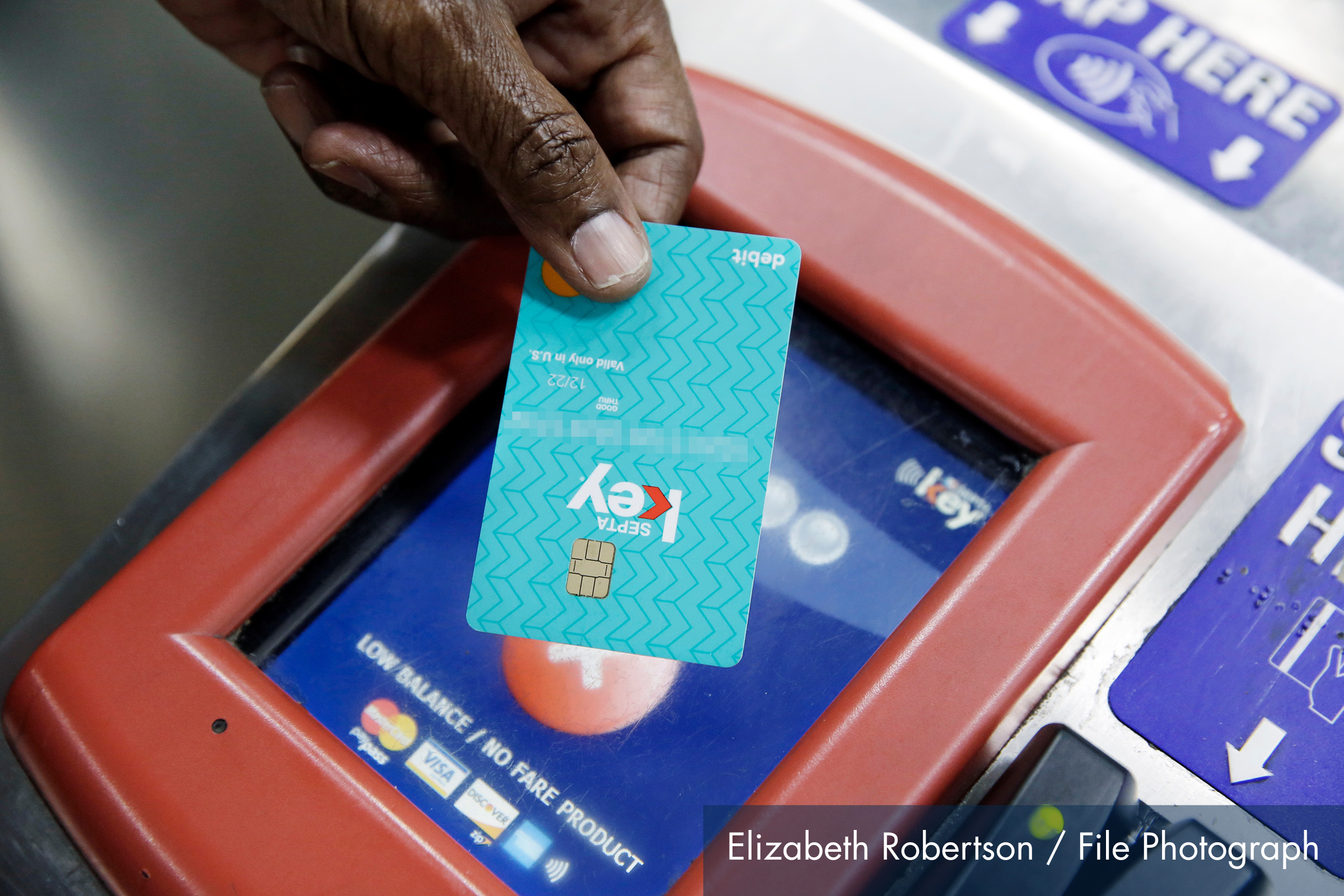
SEPTA offers a free student fare card for K-12 students in Southeastern Pennsylvania school districts. To qualify, you must live 1.5 miles or farther from your school. I was eligible in high school, so I used my student fare card to travel often. Alongside that, I own a personal SEPTA Key® card, which allows me to simply tap my card for entry on any SEPTA vehicle. While the fare for a single ride on buses, subways, and trolleys is now the same whether you use a SEPTA Key card or cash, you can still save money with SEPTA Key card passes (weekly/monthly) and by taking advantage of partner programs. Additionally, regional rail trips tend to be more expensive because they are based off zones/distance. Using SEPTA Key as opposed to other payment methods will reduce costs since it is a fixed price.
While SEPTA has been a cornerstone to my life in Philly, I am worried that might change. SEPTA is currently undergoing a funding crisis that will affect everyone in Southeastern Pennsylvania. Starting July 1, 2025, SEPTA will face a $213 million budget deficit. Without a permanent funding solution, SEPTA is forced to cut services by 45 percent and raise fares by 21.5 percent. Initial service cuts will begin on August 24, 2025, and fares will increase to $2.90 beginning September 1. SEPTA will release their fall service schedules during the week of August 4, 2025. Additional service cuts will follow beginning January 1, 2026.
Since getting my driver’s license, I haven’t turned to SEPTA as often as I used to. However, it is always there for me when I need it. I rely on SEPTA when going to highly populated areas where parking will be difficult to find. It takes away my fear of driving in overly congested areas and provides a convenient solution to my problems. It seems like these service cuts wouldn’t directly affect me since I drive—but they do. These service cuts not only affect the lives of 800,000-plus individuals who ride SEPTA daily, but also those who don’t rely on public transit at all. SEPTA keeps 675,000 cars off the road; as a result of service cuts, higher traffic congestion is expected to occur. We don’t know what the future holds for SEPTA as of now. Lawmakers are still discussing SEPTA’s funding, with no clear answer yet.