

The Scope
Speech-Language Pathology
Transitioning from undergraduate to graduate school can be a significant and scary experience. While professors and advisors often focus on the academic portion, no one truly discusses the unofficial curriculum of graduate life. The hidden set of skills which involves learning how to manage your time, surviving long days on campus, and still find time to enjoy your life outside of academia. Many students struggle to balance these demands, and as a result, their well-being often gets neglected. But there are ways to address this.
A great first step is to identify your biggest challenge. Is it managing your energy? Overcoming a lack of focus? Once you pinpoint the issue, you can create a specific plan. For instance, if you find yourself feeling tired and sluggish, especially during long classes, a little pre-planning can make a huge difference. To stay energized, try packing healthy snacks for days that involve three-hour lectures, and try to bring lunch to fuel your body and mind throughout the day. It’s also smart to take advantage of the campus environment. Use the comfortable chairs in the library to take short, periodic breaks between classes. Smart watches and phone timers can also be used if you feel as if a nap provides more energy and focus. This ensures you're mentally and physically ready for the next lecture. Planning for these difficult days can make the transition smoother and help you avoid feeling burnt out early in the semester from constant studying.
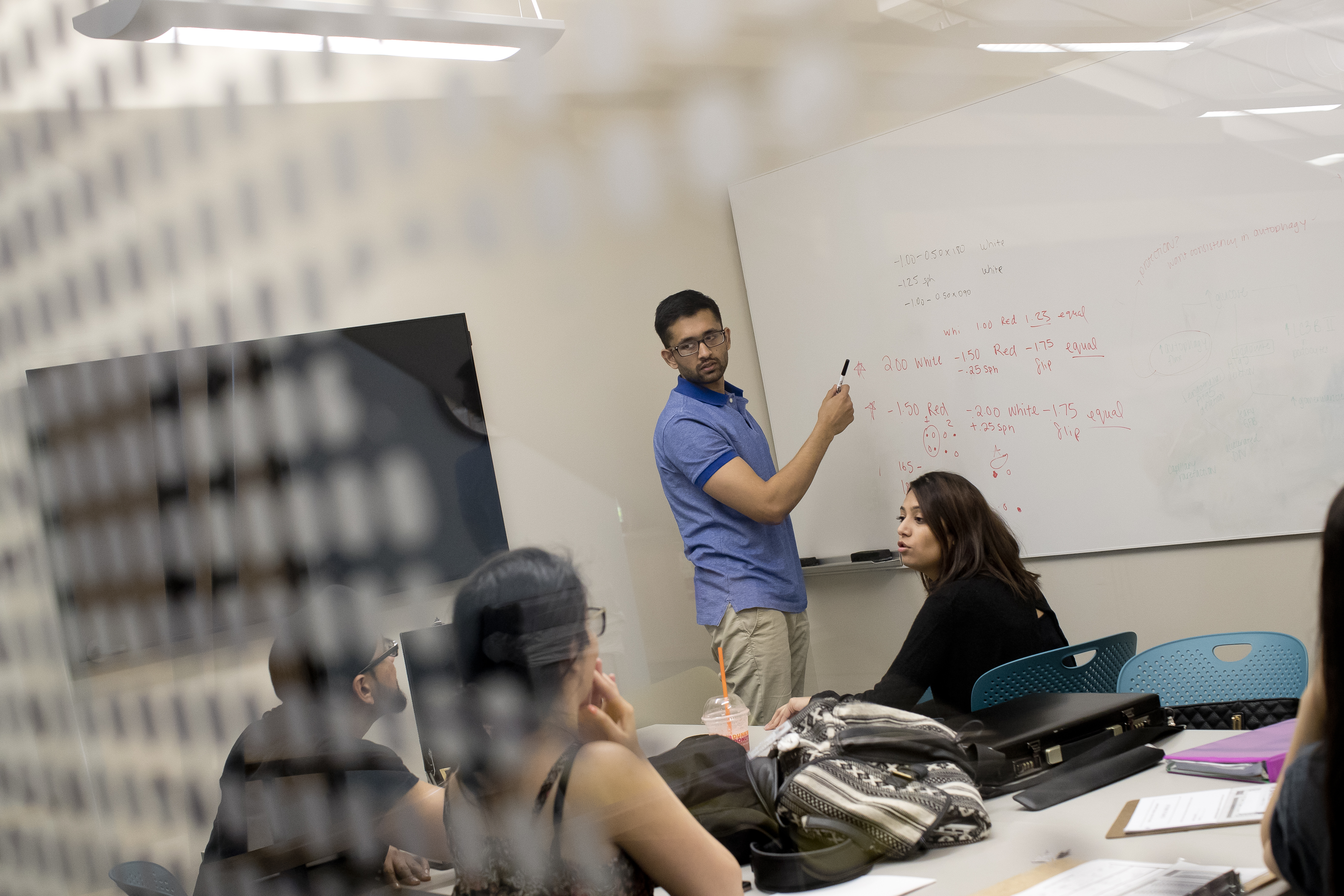 Another great tip is to learn what your campus has to offer. Make the most of your tuition by utilizing campus time on less busy days. This can be scheduled tutoring sessions, attending office hours, and hosting study groups with classmates. This approach allows you to work on challenging topics while they are still fresh in your mind. By doing so, you can ask questions, deepen your understanding, and collaborate with peers in your regular academic environment, which helps avoid new distractions. By making the most of your time on campus, you can study efficiently and then return home to do non-school-related activities.
Successfully navigating graduate school requires more than just academic effort, late nights studying, and Quizlet premium. It demands a thoughtful approach to managing your time, energy, and mental well-being. By addressing your struggles and making full use of the resources available, you can ace the unofficial curriculum and have an enjoyable graduate school experience.

- Taelor is a first-year audiology student